The_tea_room☕+FollowTaylor Swift just revealed she’s been “estranged” from Brad Paisley for almost 20 years Reason? He filled her entire tour bus with thousands of live crickets as a prank back in 2007. She said she couldn’t sleep for months because of the constant chirping. Even considered getting a lizard to deal with them. Last night at the Nashville Songwriters Hall of Fame (where Brad inducted her), she finally addressed it on stage… and said they’re good now. Was that prank legendary or completely unhinged? Would you have stayed mad for 19 years? Drop your take. #TaylorSwift #BradPaisley #CelebrityDrama00Share
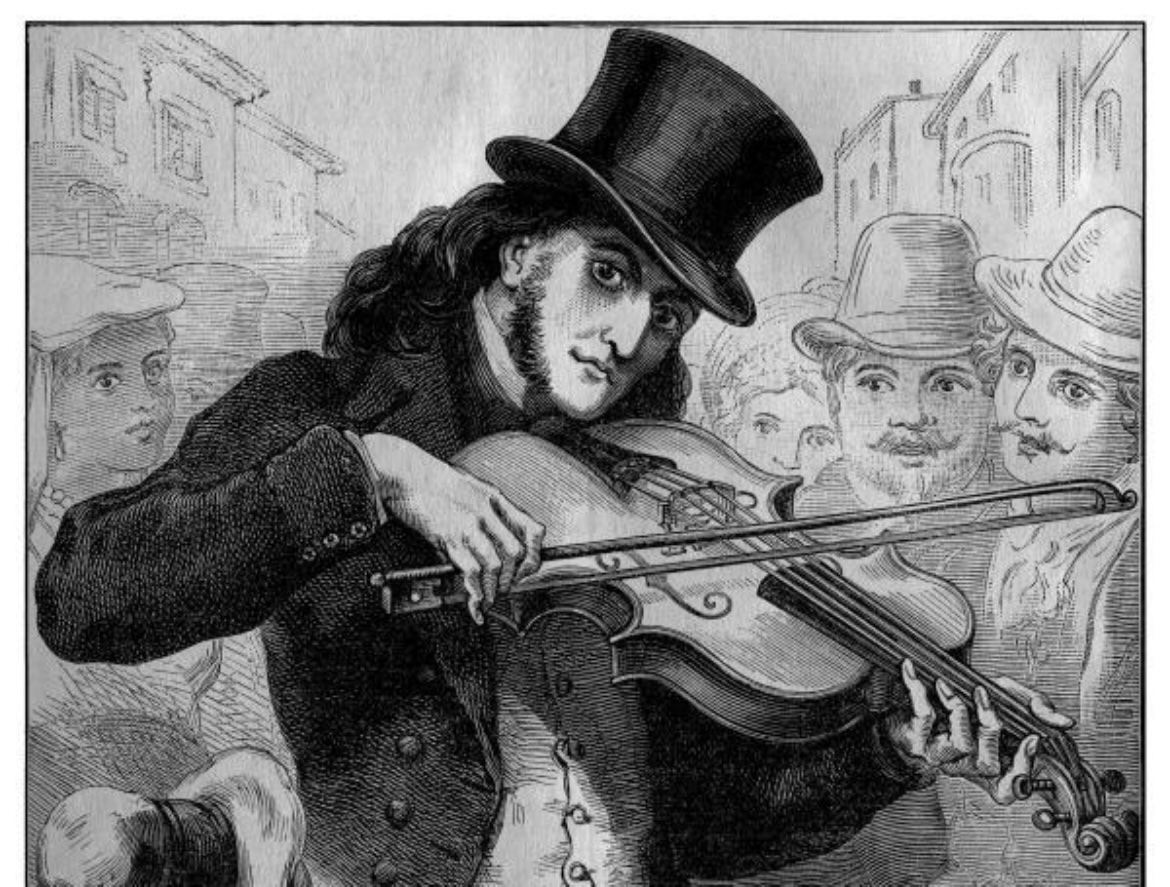
Farobag Homi Cooper+FollowThe demonic Niccolò Paganini (1782-1840)was born on October 27, 1782 in Genoa, Italy. Paganini became so famous that people genuinely circulated rumors that his virtuosity resulted from a pact with the Devil. His appearance, theatrical manner, and seemingly impossible violin technique helped create this legend because his playing seemed almost superhuman to audiences of his time. Whether a gift from Gott or Beelzebub, he was so much more than a technical wizard; as another angelic Schubert put it: 'I've heard an angel sing'. And his music is so expressive! "Now my strings growled, and then sighed; and anon they lisped, hesitated, joked and joyed, till at last they sported with merry jubilee."00Share
A-dog+FollowWhen they came together in Galilee,he said to them,The Son of Man is going to be delivered over to human hands Matthew 17:2200Share
Fijamo+FollowBible Verse for October 27 ♥️😎 Ephesians 2:18 - For through Him we both have access by one Spirit to the Father.00Share
TVShowsAce+Follow‘Happy’s Place’ Will Honor Late Dolly Parton, When To Watch https://countrymusicalley.com/2026/10/26/happys-place-will-honor-late-dolly-parton-when-to-watch/ #happysplace 00Share
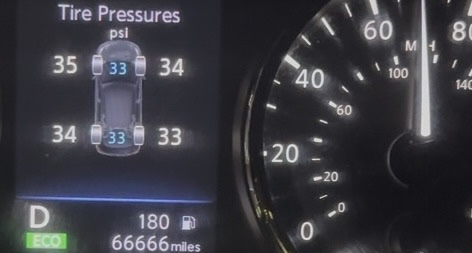
Marly D+FollowThank God I’m an atheist! Otherwise, I might have been freaked out by this mysterious phenomenon! Fortunately, I have the science background to know what really happened- the vehicle had been driven over 60,000 miles and I was at the wheel when it rolled over to this number and had my passenger document it. And it would have been just as fun for me if it was 55555 or 77777. What do you think? Is the car cursed?00Share