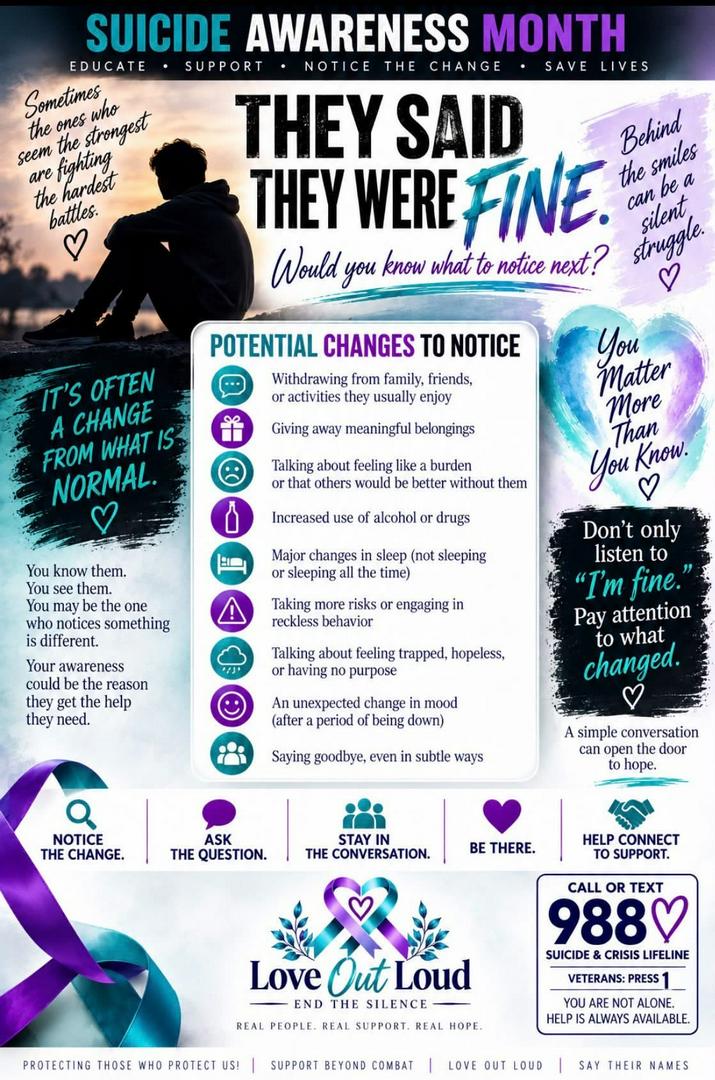
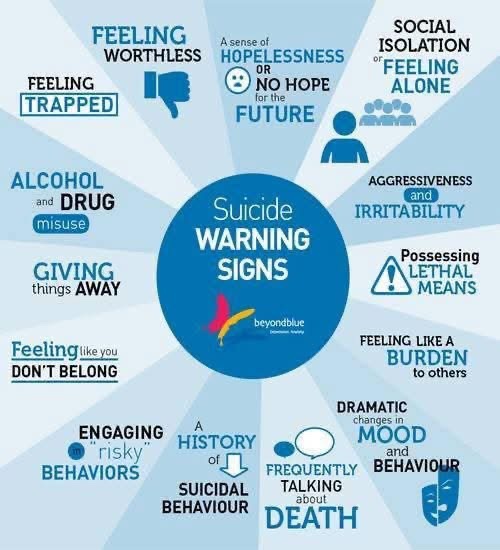
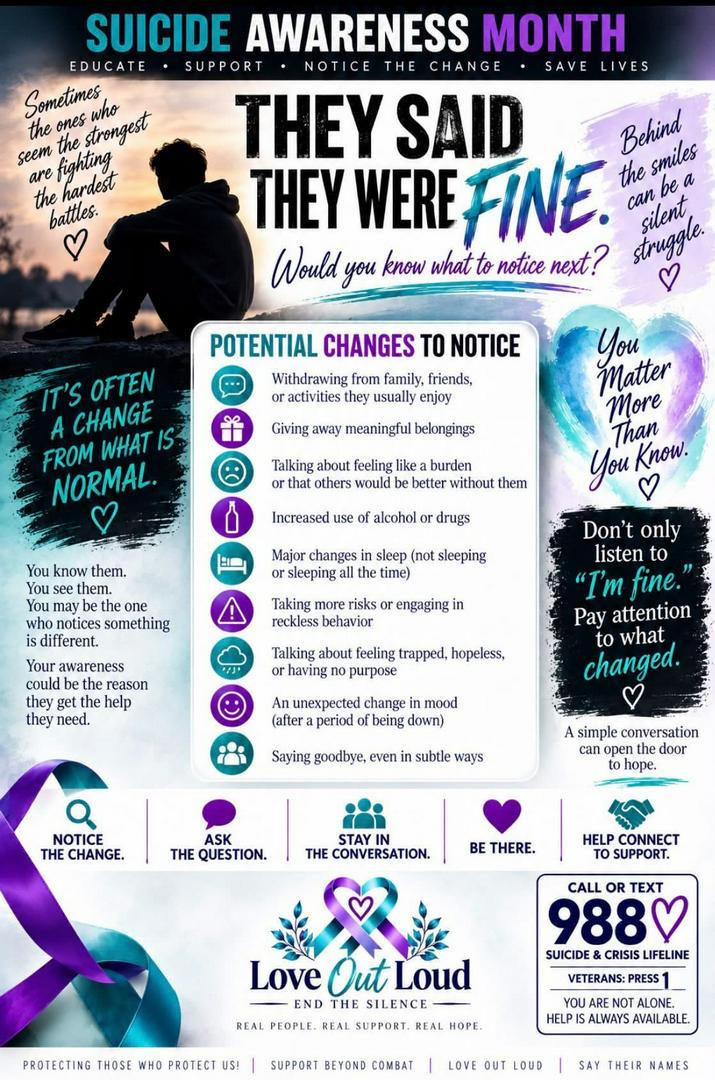
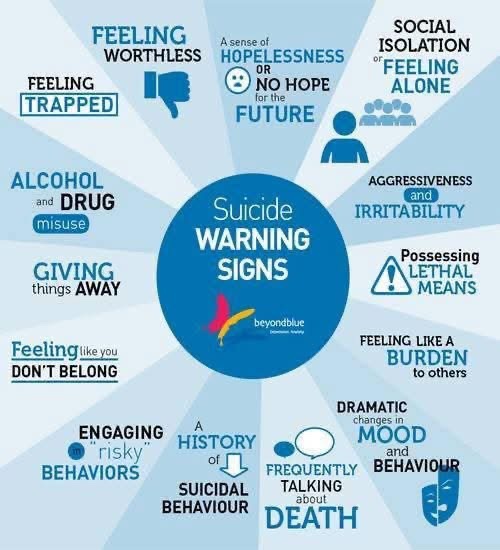
Sometimes the signs are obvious, but often they are subtle. One sign by itself doesn’t necessarily mean someone has a mental-health condition; changes from their usual behavior and several signs occurring together are more important.
🚩 Signs someone may need mental-health support
* Big changes in mood — unusually sad, angry, fearful, irritable, or emotionally numb.
* Withdrawing — avoiding family, friends, church, work, school, or activities they normally enjoy.
* Changes in sleep — sleeping much more or much less than usual.
* Changes in eating — significant increase or decrease in appetite.
* Loss of interest — no longer caring about things they previously enjoyed.
* Difficulty functioning — struggling to work, care for themselves, maintain their home, or complete normal responsibilities.
* Extreme worry or fear that seems difficult to control.
* Trouble concentrating or making ordinary decisions.
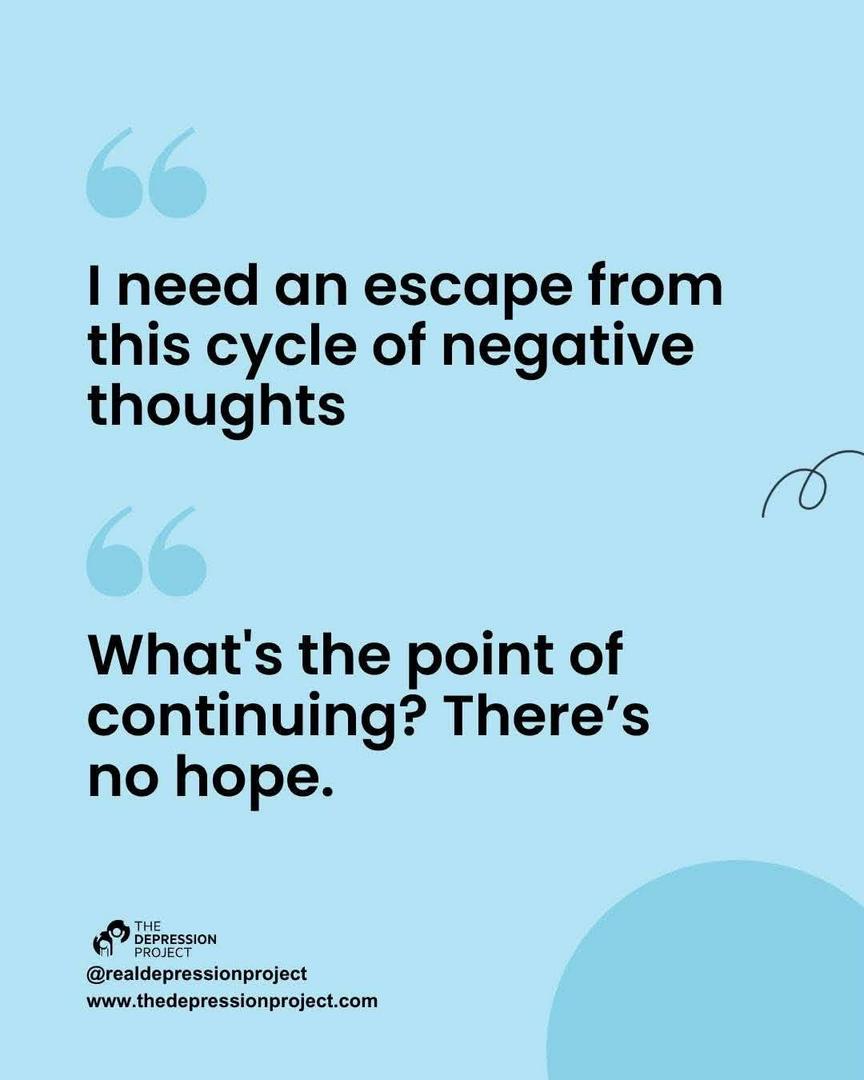
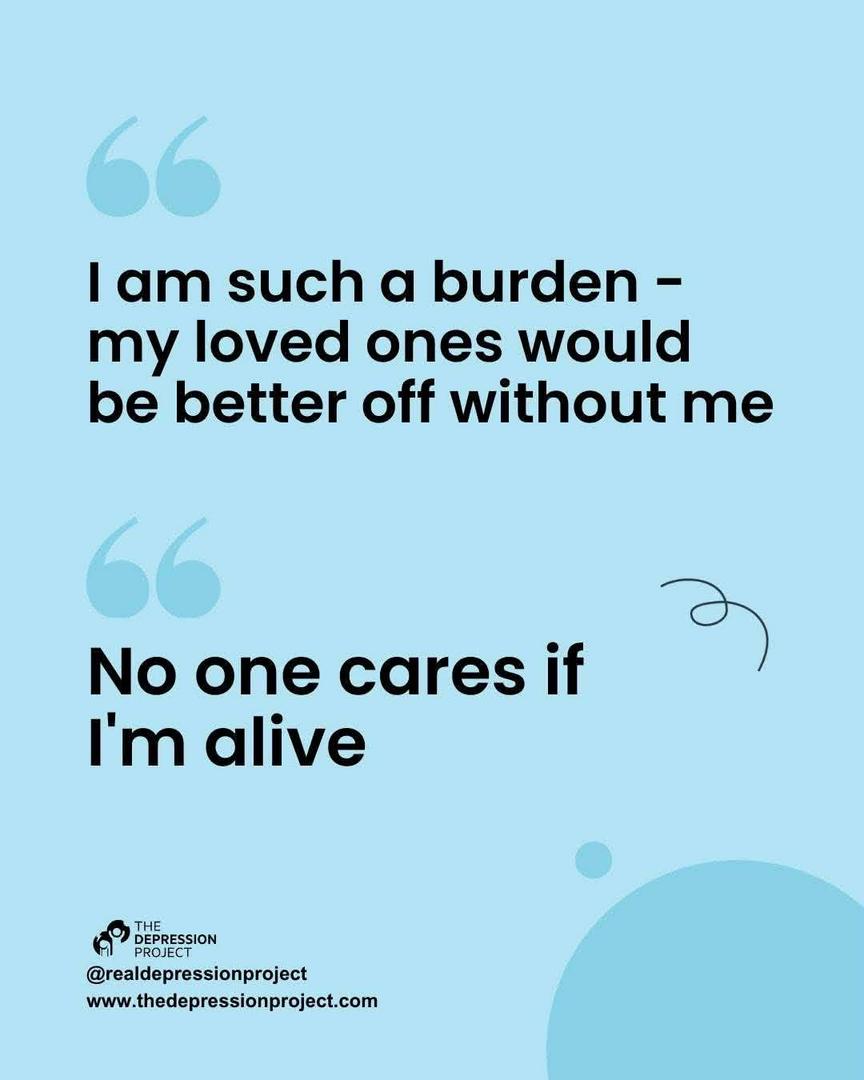
* Hopelessness or feeling worthless — saying things like, “Nobody cares,” “I’m a burden,” or “Things will never get better.”
* Increased substance use — using alcohol or drugs to cope with emotions.
* Unusual behavior or confusion — hearing or seeing things others don’t, becoming extremely suspicious, or behaving in ways that are very different from their normal personality.
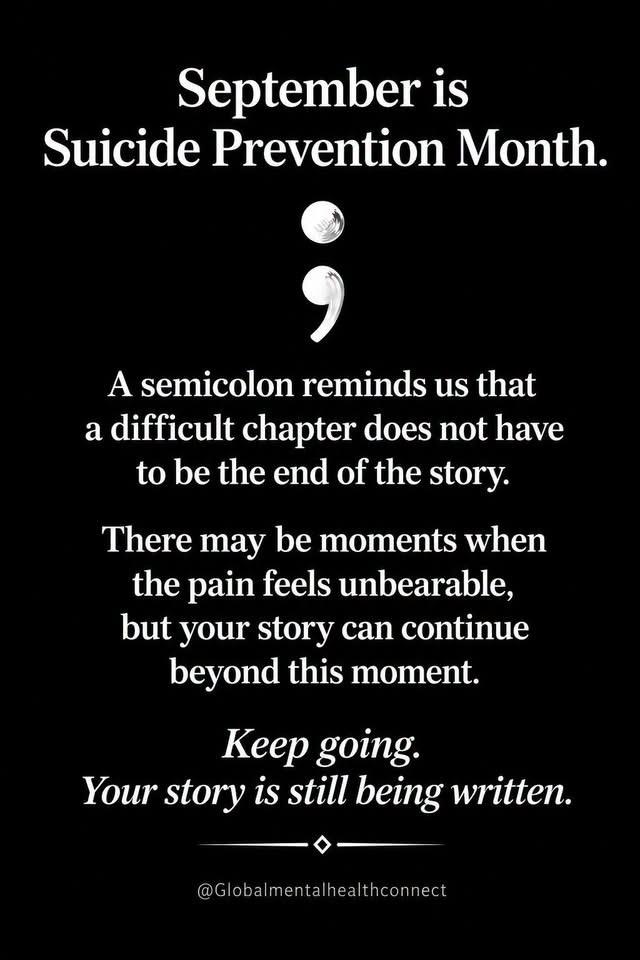
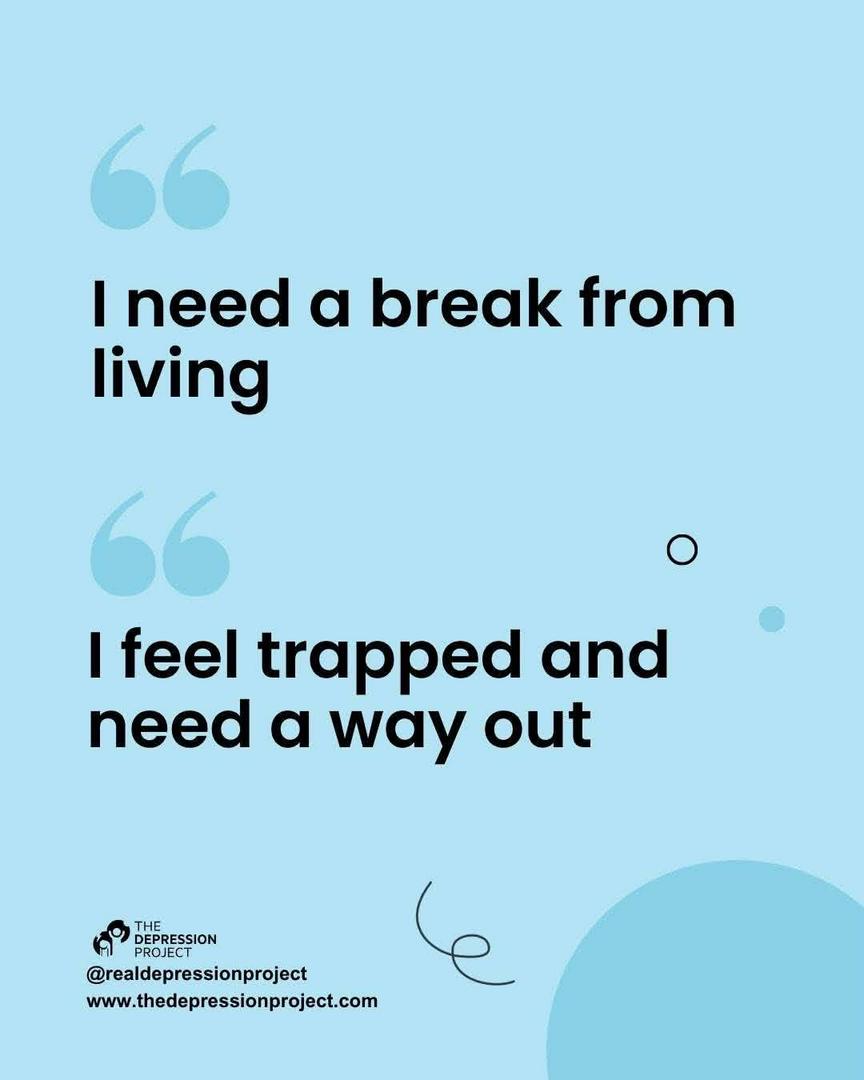
* Talking about death or suicide, even if they seem to say it casually.