Category Page entertainment

LataraSpeaksTruth

Happy Heavenly Birthday to John Amos, born December 27, 1939. John Amos represented a kind of strength that didn’t ask for applause. It stood firm, spoke plainly, and carried weight whether the room was listening or not. His presence on screen wasn’t loud, but it was unmistakable…solid, principled, and deeply human. Many first met him as James Evans on Good Times, a role that reshaped how working-class Black fathers were portrayed on television. Amos insisted on dignity, consistency, and realism at a time when those qualities were often written out or softened for comfort. That insistence cost him professionally, but it cemented his legacy. He chose truth over ease, even when the industry pushed back. His reach went far beyond one role. In Roots, Amos brought gravity and humanity to Kunta Kinte, anchoring one of the most important television events in American history. And years later, in Coming to America, he showed another side of that same authority as Cleo McDowell…a proud, hardworking father whose booming voice and unforgettable presence made the character iconic. Even in comedy, Amos carried command. He didn’t disappear into roles…he defined them. John Amos built a career on credibility. He didn’t chase likability. He earned respect. His characters reflected responsibility, boundaries, and backbone…qualities that still resonate because they were never performative. Today, his work continues to speak for him. The roles remain. The standard remains. And the impact remains long after the credits roll. #JohnAmos #ComingToAmerica #GoodTimes #Roots #TelevisionHistory #FilmHistory #ClassicCinema #BlackHollywood #OnThisDay #December27 #HeavenlyBirthday

justme

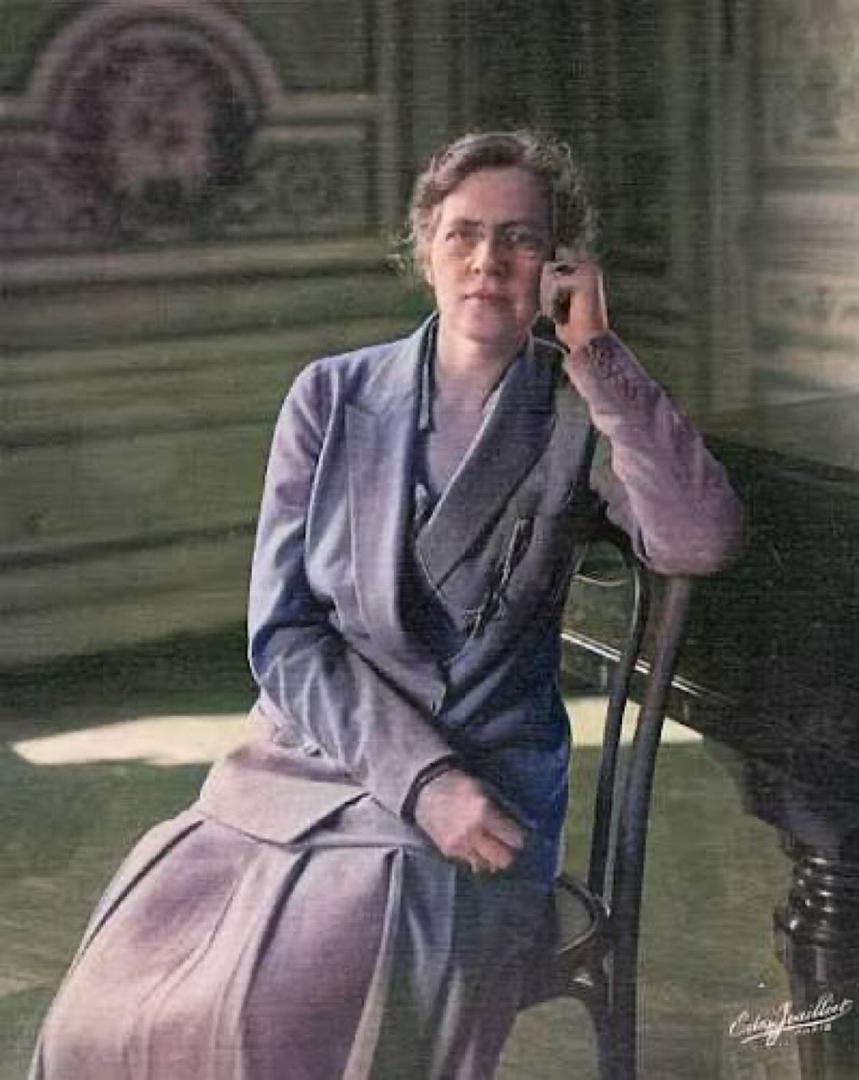
At 15, she was told to grow her hair, wear makeup, look "pretty." Instead, she shaved her head bald. Then she became one of the most powerful voices in music—and refused to apologize for anything.Dublin, Ireland, 1966.Sinéad O'Connor was born into a Ireland that was Catholic, conservative, and deeply conflicted.Her childhood was brutal.Physical abuse. Emotional trauma. A mother who hurt her. A system that failed her.By age 15, she'd been placed in a Magdalene asylum—institutions where "troubled" Irish girls were sent to be reformed, punished, and hidden away.But in that darkness, Sinéad found the one thing that made sense: music.A nun at the asylum noticed her voice. Arranged for her to have lessons.And slowly, Sinéad began to understand that her voice—literally and metaphorically—was her way out.When she was finally released, she joined a band called Ton Ton Macoute. The music industry took one look at her and had notes.Lose weight. Grow your hair long. Wear dresses. Smile more. Look feminine. Be marketable. Sinéad's response?She shaved her head.Completely bald.In 1987, when female pop stars were Cindy Lauper and Madonna—big hair, bold makeup, carefully crafted images—Sinéad O'Connor appeared with a shaved head, ripped jeans, and combat boots.No apologies. No explanation. No compromise.Her debut album, "The Lion and the Cobra," dropped that same year.Critics didn't know what to do with it.It was raw. Angry. Vulnerable. Powerful.Irish traditional music mixed with punk aggression and alternative rock.A woman's voice—not trying to be pretty or palatable—just furiously, desperately honest.Songs about abuse. About anger. About surviving. About refusing to be broken.The album went gold. But Sinéad wasn't interested in playing the game.Then came 1990 and "Nothing Compares 2 U."The song—written by Prince—

Category: Entertainment | LocalAll