1/1

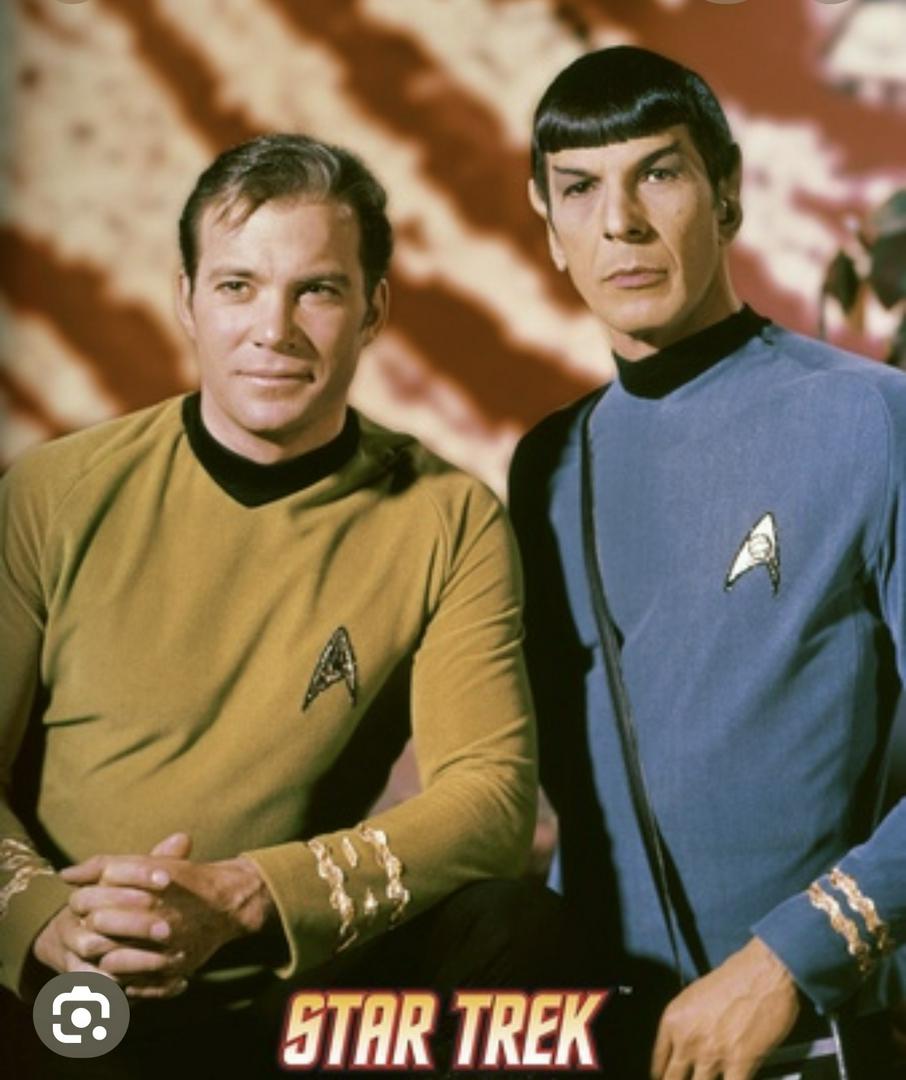
In 1969, when Star Trek was canceled, William Shatner didn’t just lose a role—he lost almost everything. At 38, he was divorced, nearly broke, and suddenly found himself difficult to hire in an industry that viewed his most famous work as a failure. The show had struggled in the ratings, and executives never truly understood it. To Hollywood, Captain Kirk was finished. Shatner’s life shrank quickly. He performed in small regional theaters for modest pay and, at one point, even lived out of a truck camper. The man who had once commanded a starship was now simply trying to stay afloat. Through syndication, reruns of Star Trek began reaching a whole new audience. Viewers watched the episodes repeatedly, studied them, and built communities around them. Early fan conventions—small, awkward, and often dismissed—started to grow. While most actors stayed away, Shatner showed up. He met the fans, signed autographs, and listened. At first, he didn’t fully understand their intensity, but he eventually realized something critical: the audience hadn’t abandoned the show. They had preserved it. By the late 1970s, that devotion had transformed into an undeniable cultural force. Studios took notice, and in 1979, Star Trek returned as a feature film. Shatner stepped back onto the Enterprise—not as a forgotten actor getting a second chance, but as the face of a phenomenon that had survived without the industry’s support. He didn't stop there. He rebuilt his career through constant reinvention—television roles like T.J. Hooker, a willingness to embrace humor and self-awareness in commercials, and even unexpected ventures into music. Decades later, he found a new peak in Boston Legal as Denny Crane. It was a role that blended humor and vulnerability, winning him two Emmy Awards and proving that the style once mocked had always been a deliberate talent.
3 days ago

Angel Martinez
The only reason I can think of was the major majority only had 1 TV and the Generational of What Pop see on TV is what we saw but when it went on syndication the reruns were shown in the afternoon where Mom or Pop where working or creating dinner. We also had to consider that Black and White TV were some families had and couldn't afford Color and couldn't see the bright colors. Star Trek i believe was way ahead of its time until the Old Farts caught on and were influenced by the younger generation who were getting older and were able to manipulate or communicate with the older stubborn Generation.
2d
Tampa, FL
Reply
1

Whtsupwtht
Boston Legal was the BOMB ! I loved it so much I remember laughing so hard don't know how many times I about wet my pants for real! Each character played their part to the hilt ...What a great show ! Another show I laughed so much while watching it was Rescue Me ! I KNOW it has nothing to do with William Shatner but ... to me they were even as far as I'm concerned in the laughter category ! 🌸🌸🌸🌸
2d
Reply

Stephen Droste
It was kept alive by the next decade
of TV viewers that thought that they
had actually missed something when
the show was new.
2d
Bloomington, IN
Reply

BV B
Will always love William Shatner.
3d
Annapolis, MD
Reply
2

Amy Lynn
He’s horrible anyway! Who cares!
3d
Reply(4)
2
shewhorunfromcold
William Shatner for president 😁
2d
Greer, SC
Reply
2

Bruce Calhoun
Pathetic alcoholic
2d
La Vernia, TX
Reply(1)
More comments ...
write a comment...