Category Page entertainment

Kimmie_Anderson

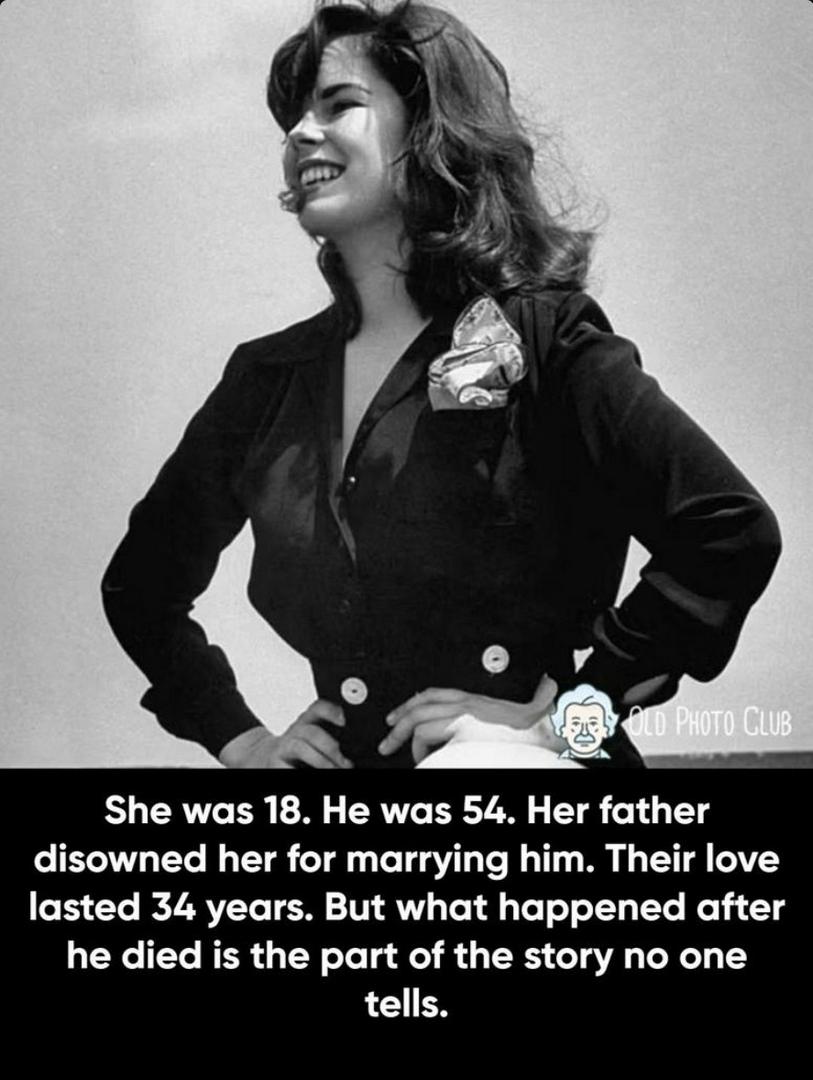
In June 1943, an eighteen-vear-old gir married a man thirty-six vears her senior. The world called it scandalous. Her own father called it unforgivable She was Oona 0'Neill, daughter of Eugene O'Neill, the Nobel Prize-winning playwright whose dark tragedies had defined American theater. Beautiful intelligent, and quietly determined, Oona had been named Debutante of the Year at the Stork Club. She had brieflv dated the young writer J.D. Salinger. She had her whole life ahead of her He was Charlie Chaplin. The Little Tramp. The silent film legend who had made the world laugh and cry. At fifty-four, he had been married three times before, always to younger women. He had teenage sons. His career was fading. Scandal followed him everywhere When thev met in late 1942, Chaplin was considering Oona for a film role. The film was never made. But something else began that neither of them expected To the watching world, it looked like every cliché. An aging star pursuing naive youth. A young woman seeking the father who had abandoned her. The age gap made headlines. The fact that Chaplin was only six months younger than Oona's own father made it ever more shocking Eugene O'Neill was furious. The playwright who had written masterpieces about family dysfunction could not forgive his own daughter for choosing love he did not approve of. He disowned her immediately and completely. He never spoke to her again. Not once. Not ever. When Eugene O'Neill died in 1953, Oona was not mentioned in his will. The father who had written so eloquentlv about tragedy could not bring himself to reconcile with his daughter. But Oona had made her choice. And she never looked back Within a month of turning eighteen, she married Chaplin in a quiet civil ceremony in California. She gave up her acting aspirations entirelv. Not because she acked talent. but because she did not want that spotlight. She chose to build something private in a very public world Against every prediction, their marriag

LataraSpeaksTruth

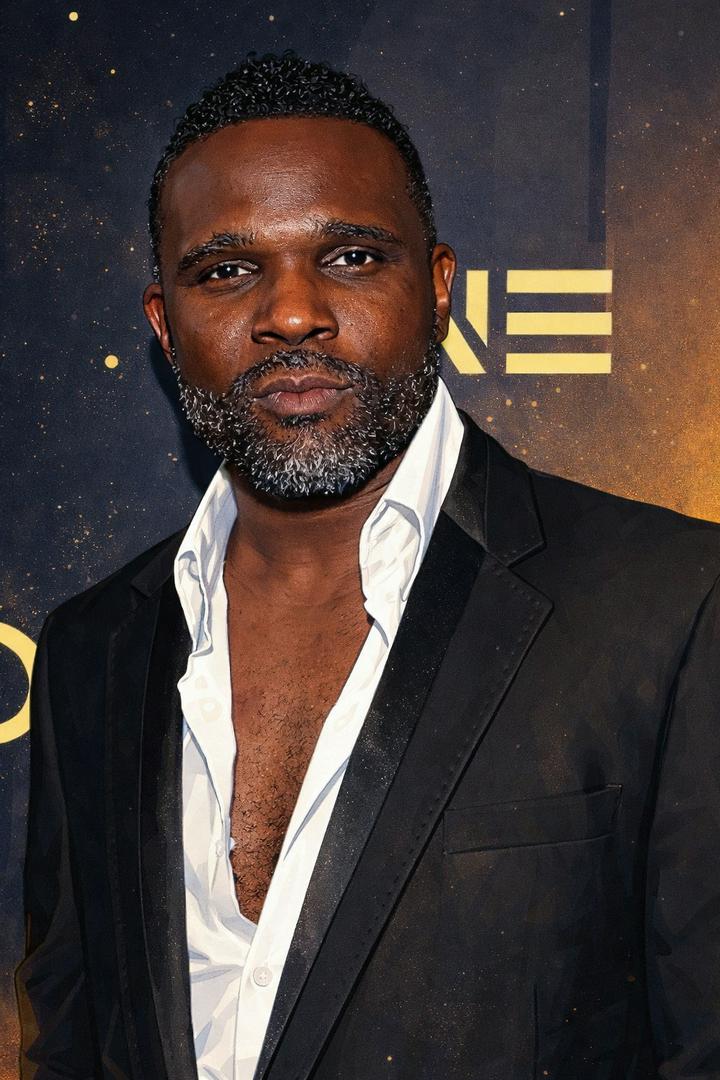
Darius McCrary became widely known in the 1990s for his role as Eddie Winslow on Family Matters, a series associated with responsibility, structure, and family values. The role helped define his public image during the height of the show’s popularity. In later years, McCrary’s personal life has drawn attention for reasons that contrast with that legacy. In a publicly available interview, McCrary appeared alongside a transgender woman with whom he was romantically involved. During the conversation, she stated that McCrary paid for her gender affirming surgery. McCrary was present when the statement was made and did not deny, correct, or challenge it. While silence does not confirm the claim, it left the statement unaddressed in a public setting. Separately, McCrary has faced documented legal issues involving unpaid child support. Court records over multiple years show disputes and enforcement actions related to financial obligations to his children. These matters are part of the public record. The significance of these parallel issues is not rooted in identity, relationships, or politics, but in priorities. When a public figure is associated with claims of discretionary spending while also facing court ordered child support disputes, questions naturally arise. Courts do not balance romantic relationships against parental responsibility. Child support obligations exist to protect children and are not optional. The contrast has drawn public attention. A man best known for portraying a character shaped by family values has struggled publicly with meeting the financial responsibilities of fatherhood in real life. Legacy is defined not by past roles, but by consistent accountability beyond the spotlight. #DariusMcCrary #FamilyMatters #Accountability #PublicRecord #MediaAnalysis #CelebrityCulture

justme

She made him a star. He married someone else in secret. And when she found out, it shattered her—but never stopped her. In 1961, Joan Baez was already the Queen of Folk—a global phenomenon with an ethereal soprano voice and sold-out concerts. Bob Dylan was a scruffy 20-year-old nobody playing basement clubs in Greenwich Village. She saw him perform and was stunned. "I never thought anything so powerful could come out of that little toad," she later admitted. But she recognized genius when she heard it. So she did something extraordinary: she shared her spotlight. She brought him on stage at her biggest shows, including the legendary 1963 Newport Folk Festival. She introduced him to her massive audience. She turned a club act into a household name. And somewhere along the way, they fell in love. For a few shining years, they were folk music royalty. Their voices blended perfectly. Dylan himself said he "always loved singing and playing with her." Their duets felt like magic. But fame has a way of changing people. By 1965, Dylan's star had exploded. He'd gone electric, moved beyond protest songs, and was becoming one of the most influential artists of the generation. The quiet folk scene they'd shared was suddenly overrun by chaos, entourages, and screaming fans. Baez felt herself disappearing. During the 1965 UK tour—captured in the documentary "Don't Look Back"—she watched him pull away. Despite traveling with him, she wasn't invited to perform. She felt ignored. Treated "like baggage." "It happened so fast, and it was so huge," she said, "that I kind of got lost in the shuffle." Their goals had diverged. Baez was committed to activism, to using her platform for peace and justice. Dylan was committed only to his art, increasingly refusing the "protest singer" label she'd hoped he'd embrace. And then came the final blow. In November 1965, Dylan married