Category Page entertainment

EarlyRiser313

yep, you haven't been alive that long 💯🤔🤔 the black and most beautiful Ms. Vanessa Williams became the "1st" African American contestant to win the crown in the 80s💯then they snatched it back when they found pictures of her in the nude (who didn't want to see that!!!) 💯this particular pageant started way back in the 30s (could be earlier but I'm not the pageant professor)💯🤨 back then, how dare a black woman walk across a stage with 47 of the most perfect un-colored women this country has to offer!!! (Alaska and Hawaii weren't states yet)!!!! 💯🤨why is that!!!??? 🤔 they most definitely didn't have a black judge judging 💯🤔 nah that's about 50 something years between starting the pageant and Ms Williams winning 💯 there wasn't any black winners cause there were no black contestants allowed 💯🤨 no different than the water fountains, the restrooms, the golf course (not a nigga in sight)💯🤨 if you don't study, you fail the test 💯🧐

99.7Fm

Fame's Downside: Lil Wayne Kids Open Up on Lonely School Days: Lil Wayne’s sons, Cameron and Neal Carter, recently shared rare insight into their personal lives, revealing that growing up as the children of a global superstar isn’t always as glamorous as it seems. In a candid conversation, the boys admitted they sometimes struggle to make genuine friends at school because classmates either treat them differently or assume they’re unapproachable. Despite the fame surrounding their father, they said they value real connections and hope to find friends who see them for who they truly are—not just Lil Wayne’s kids. The touching admission has sparked a wave of support online, with fans praising the young Carters for their honesty and humility. Story By Donnell Ballard. #CelebrityKids #RichKids #KidSocialLife #NavigatingSocialSituationsWithKids #LilWayne #Life have a blessed and powerful day everyone, thank you for reading the hottest stories. #London

LataraSpeaksTruth

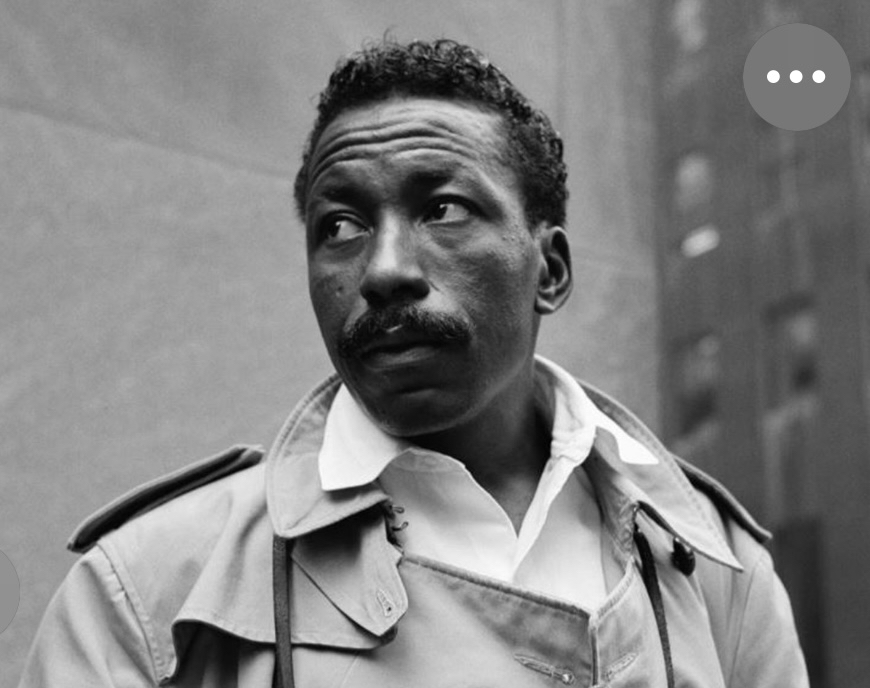
Gordon Parks did not ask Hollywood for permission. Long before film cameras rolled, he had already mastered the still one, using photography to expose poverty, intimacy, beauty, and contradiction with a clarity America could not look away from. His images were not about pity. They were about presence. As a writer, he told Black stories from the inside, grounded in interior life rather than spectacle. As a storyteller overall, Parks understood a truth the industry resisted for decades. Representation without authorship is decoration, not power. When Parks directed Shaft in 1971, the result was not just a hit. It was a rupture. The film was led by a Black protagonist, shaped by a Black director, and unapologetically rooted in Black urban perspective. It spoke in its own voice and trusted audiences to meet it there. The numbers did not lie. Shaft became a box office success at a moment when Hollywood was financially shaky, proving that Black-led stories were not a risk. They were an asset. This mattered because it shifted leverage. Visibility stopped being charity and became economics. Control stopped being theoretical and became practical. Parks did not open the door alone, but he cracked it with proof, not protest. By the end of 1971, the industry had no credible excuse left. The change did not arrive with fireworks or speeches. It arrived with receipts. Some revolutions are loud. Others are documented, published, and profitable. Gordon Parks delivered all three, and Hollywood had to live with the consequences. #GordonParks #Shaft1971 #BlackCinema #FilmHistory #CulturalPower #RepresentationAndControl #BlackStorytelling #HollywoodHistory #PhotographyAsTruth