Category Page entertainment

justme

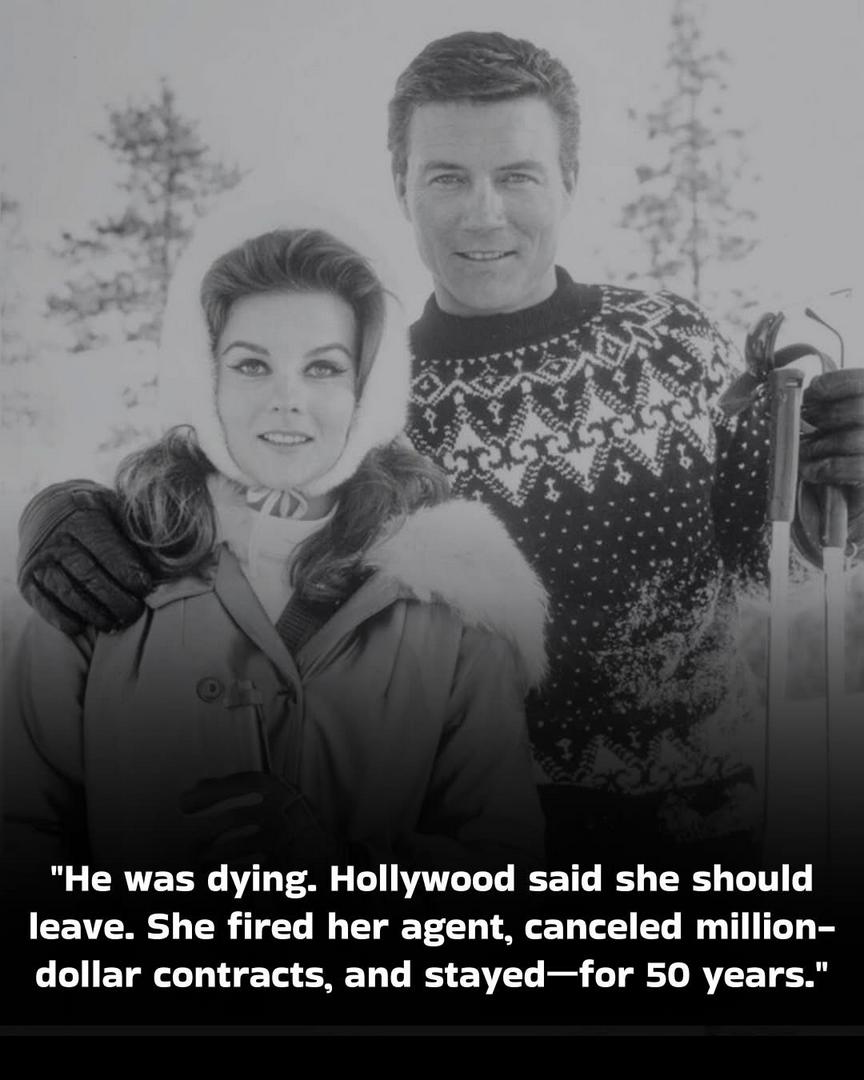
He was dying. Hollywood said she should leave. She fired her agent, canceled million-dollar contracts, and stayed—for 50 years. Las Vegas, 1960s. Ann-Margret was the kind of beautiful that made cameras malfunction. Elvis Presley had fallen for her during Viva Las Vegas. Frank Sinatra wanted her in his orbit. Every studio in Hollywood was throwing contracts at the Swedish-born firecracker with the voice that could make grown men weep. But Roger Smith saw something else. He'd been famous first—the star of 77 Sunset Strip, one of television's biggest hits. He had the chiseled jaw, the easy charm, the kind of fame that fills restaurants and empties bank accounts. He also had three kids from a failed marriage, a dawning awareness that Hollywood ate people alive, and a bone-deep exhaustion with the game. When he met Ann-Margret backstage in 1965, he didn't treat her like a conquest. He asked about her mother. He noticed when she winced during publicity photos (her smile was starting to hurt from holding it for cameras). He saw the person Hollywood had turned into a product. "He looked at me like I was human," she later said. "That terrified me. Because I'd forgotten I was allowed to be." They married on May 8, 1967, in a ceremony so small it could fit in a hotel suite. She wore simple lace. No press. No fanfare. Just two people who'd decided to be real with each other in a city built on illusion. Two years later, Roger started dropping things. A coffee cup. His car keys. Then his words started slurring—just slightly at first, then more noticeably. The diagnosis came like a death sentence: myasthenia gravis, a neuromuscular disease that would progressively steal his strength, his mobility, his ability to speak clearly. There was no cure. The trajectory was one direction only: down. Ann-Margret was 28 years old. At the absolute peak of her career.

LataraSpeaksTruth

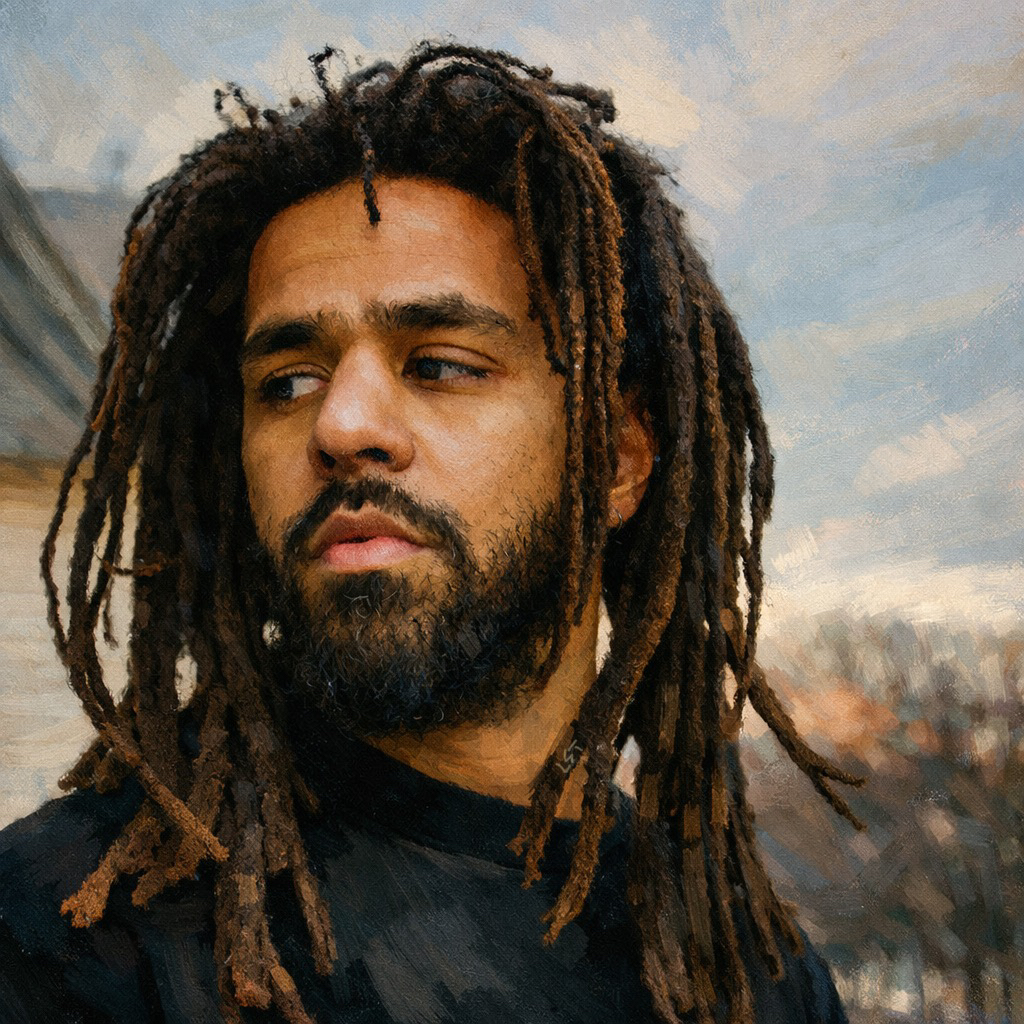
January 28 marks the birthday of Jermaine Lamarr Cole, an artist who never needed gimmicks to be heard. Born in 1985 in Frankfurt, Germany, and raised in Fayetteville, North Carolina, J. Cole built his legacy on something increasingly rare in the industry…honesty. He didn’t arrive loud. He arrived deliberate. From his early mixtapes The Come Up, The Warm Up, and Friday Night Lights, Cole made it clear he was writing for people who actually listen. His debut album Cole World: The Sideline Story went straight to No. 1, but it was what followed that cemented his place. Albums like Born Sinner, 2014 Forest Hills Drive, 4 Your Eyez Only, and KOD weren’t designed for quick hits. They were reflections, mirrors, and sometimes uncomfortable conversations. Cole’s work consistently wrestles with identity, pressure, guilt, growth, faith, and the weight of success. He’s never pretended to be perfect. He’s questioned himself publicly, owned missteps, and allowed his evolution to happen in real time. That willingness to mature out loud is part of what separates him. Beyond the music, J. Cole’s impact shows in how he moves. Dreamville became a platform, not just a label. He invests in his hometown, supports emerging artists, and keeps his footprint intentional. No excess performance. No constant controversy. Just work. In a genre that often rewards noise, J. Cole chose substance. He reminds listeners that lyricism still matters, that introspection can sell, and that you don’t have to lose yourself to win. Today isn’t just about celebrating a birthday. It’s about recognizing an artist who stayed rooted, stayed thoughtful, and stayed true…even when the industry tried to pull him in louder directions. Happy Birthday, J. Cole. #JCole #January28 #HipHopHistory #Dreamville #Lyricism #RapLegacy #BornSinner #ForestHillsDrive #ConsciousRap #MusicCulture #ArtistEvolution