Category Page news

✅CHAUNCEYDATGUY

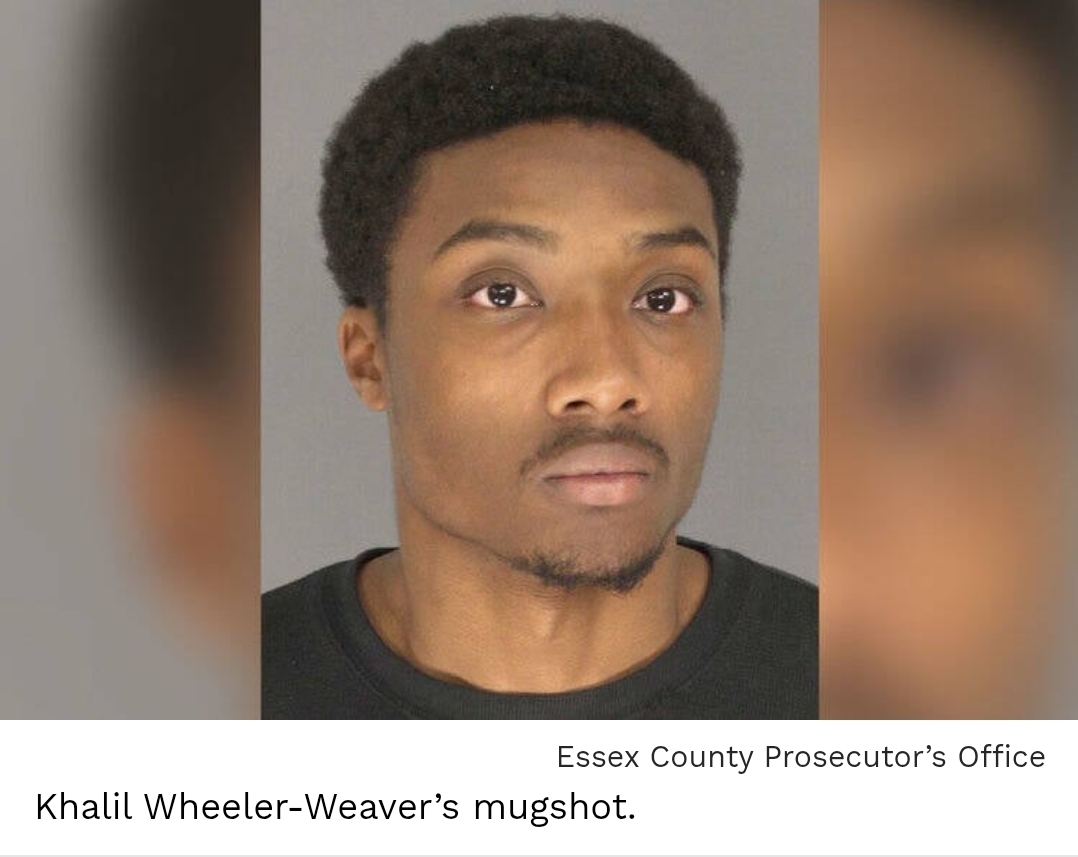
How Serial Killer Khalil Wheeler-Weaver Was Brought Down By The Same App He Used To Hunt For Victims

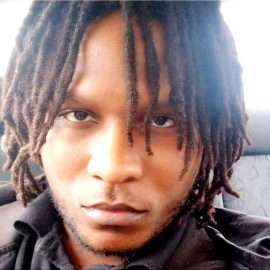
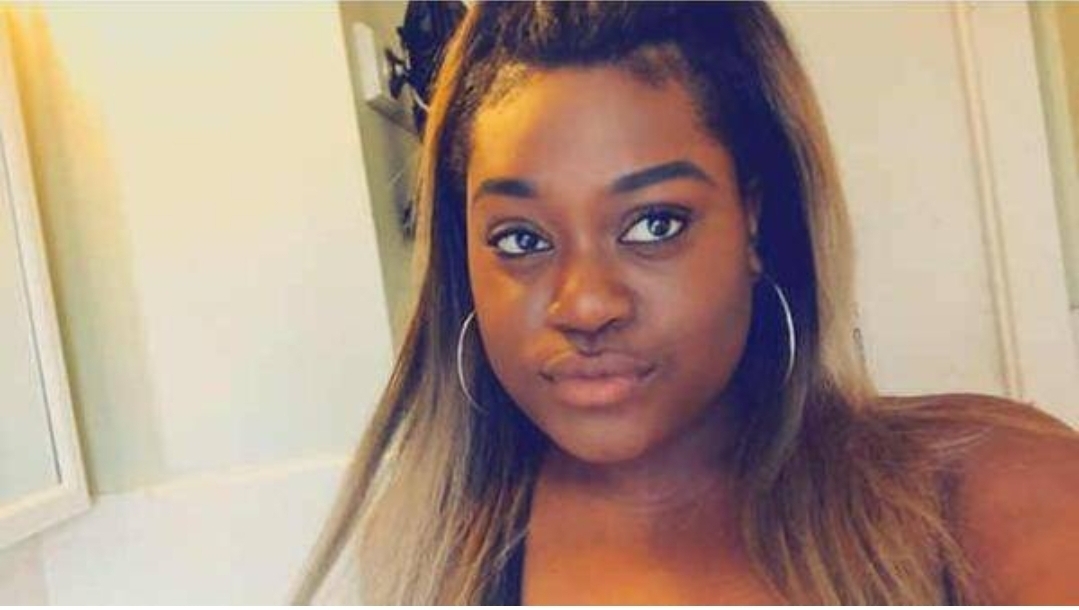
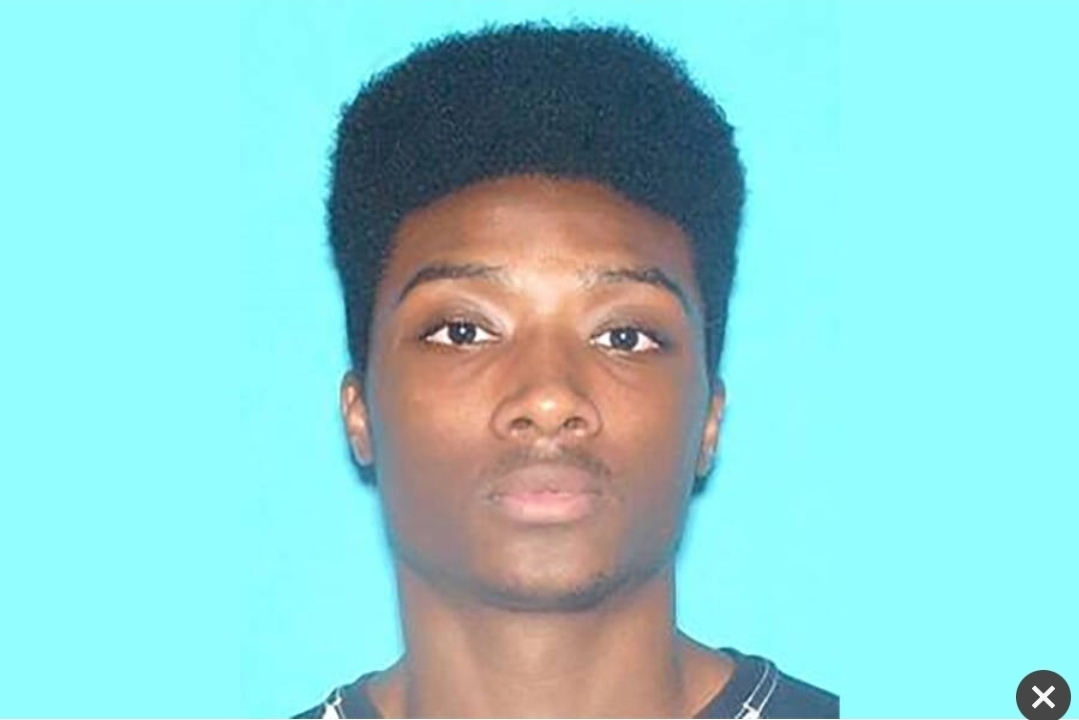
Khalil Wheeler-Weaver lived a double life — a calm, well-dressed young man from Orange, New Jersey, working security jobs while secretly hunting women online. Between August and November of 2016, he used dating and social apps like Tagged to lure victims, murdering three women and attempting to kill a fourth. His victims included 19-year-old Robin West, 33-year-old Joanne Brown, and 20-year-old college student Sarah Butler, whose tragic death finally exposed his crimes. Sarah met him through Tagged and was found strangled and raped beneath a pile of sticks. Her family refused to let her death go unanswered. Using Sarah’s own account, her sister created a fake profile on Tagged and teamed up with police to set a trap. When Wheeler-Weaver arrived expecting another victim, undercover officers were waiting. Investigators later found chilling online searches and phone records linking him to all three murders. In 2021, after facing the victims’ families in court, he was sentenced to 160 years in prison — ending the reign of the so-called Tagged Killer. #TrueCrime #JusticeForSarah #TaggedKiller #ChaunceyDatGuy

How Serial Killer Khalil Wheeler-Weaver Was Brought Down By The Same App He Used To Hunt For VictimsHow Serial Killer Khalil Wheeler-Weaver Was Brought Down By The Same App He Used To Hunt For VictimsHow Serial Killer Khalil Wheeler-Weaver Was Brought Down By The Same App He Used To Hunt For VictimsHow Serial Killer Khalil Wheeler-Weaver Was Brought Down By The Same App He Used To Hunt For Victims
MarineWife

America's Deep Roots of Racism

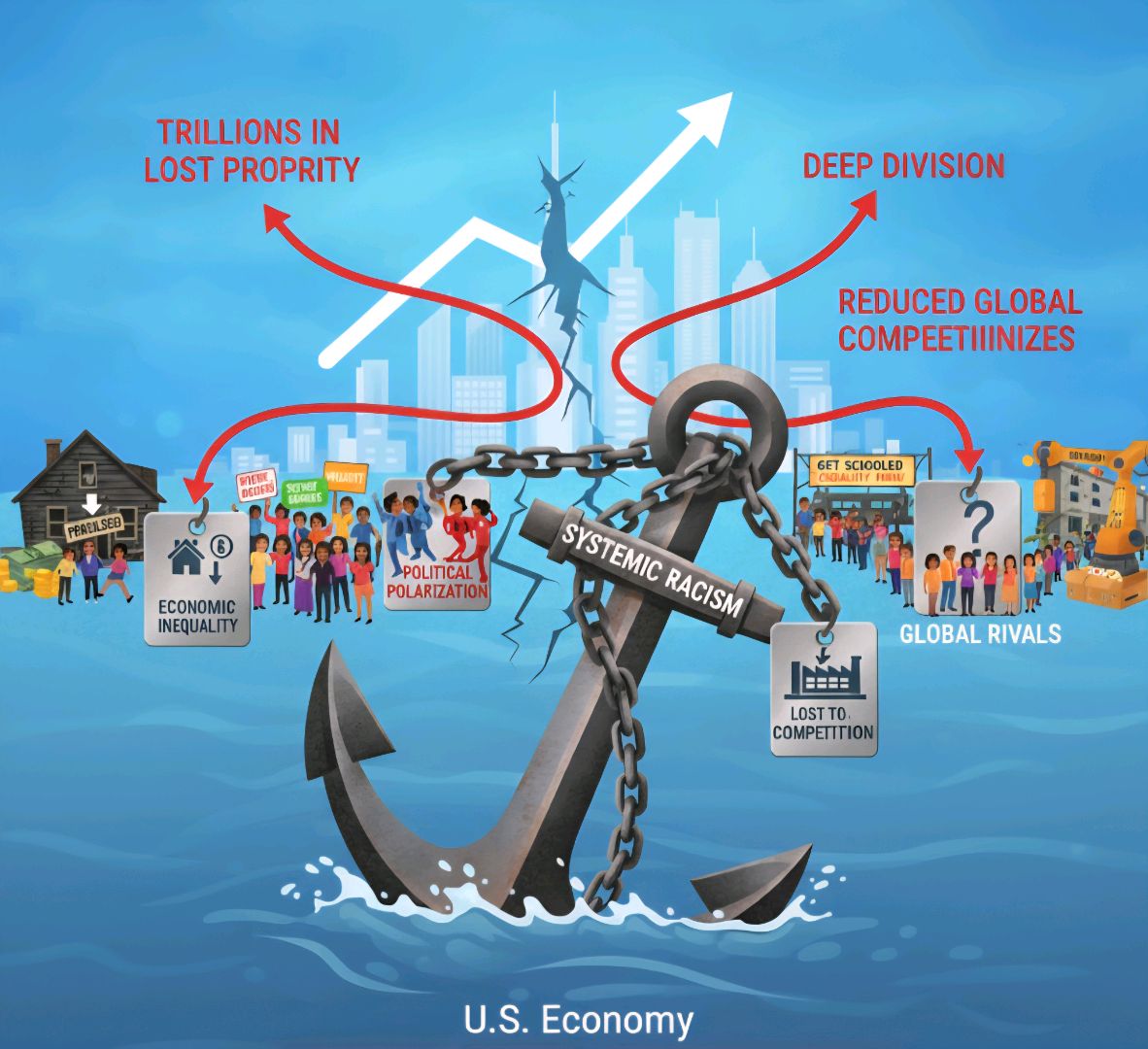
Ongoing, systemic racism is actively undermining America’s future by functioning as a massive economic and social anchor. The vast racial wealth and income gaps—which persist due to structural barriers in housing, employment, and justice systems—are projected to cost the U.S. economy trillions of dollars in lost consumption and investment over the next decade, severely hampering national GDP growth. Furthermore, the resulting social inequities fuel deep political polarization and public cynicism, threatening democratic stability by marginalizing vast segments of the increasingly diverse population from full economic and political power. If left unaddressed, this systemic exclusion of talent and opportunity ensures that the U.S. will be less competitive, more deeply divided, and less prosperous in the 21st century than it otherwise could be. We need to eliminate systemic racism for everyone's best interest! #Racism #SystemicIssuesUSA #ExposingRacialHypocrisy #Antiracism

America's Deep Roots of Racism
✅CHAUNCEYDATGUY

OCTOBER WAS THE END OF HER KILLING SPREE

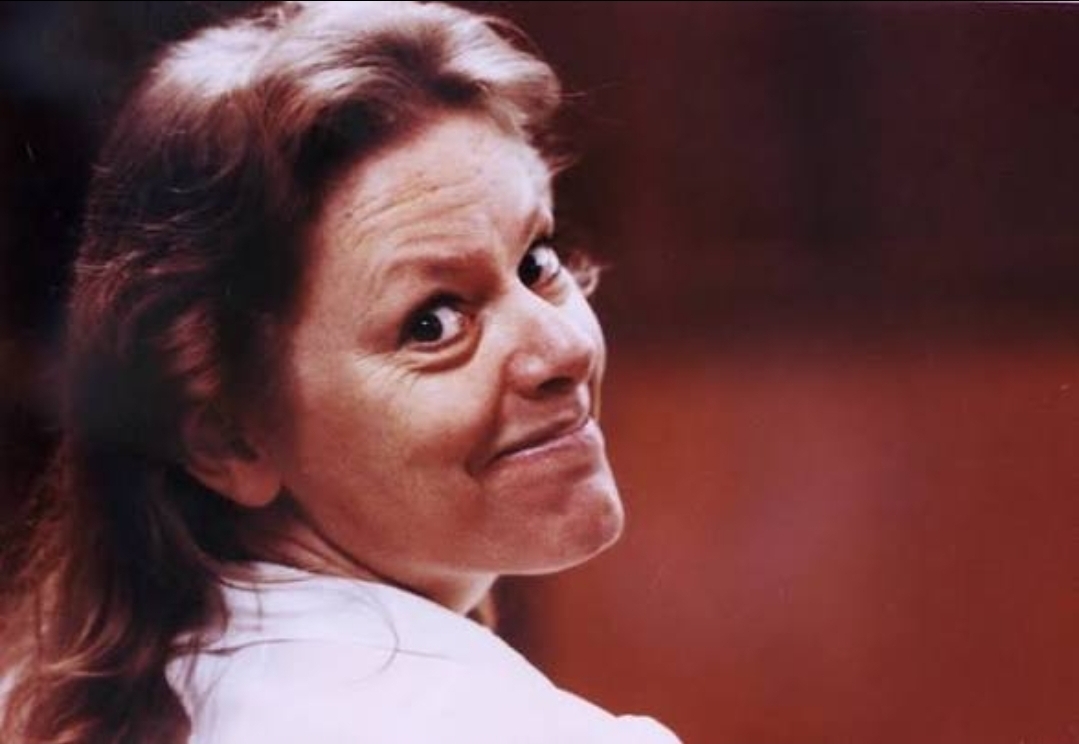
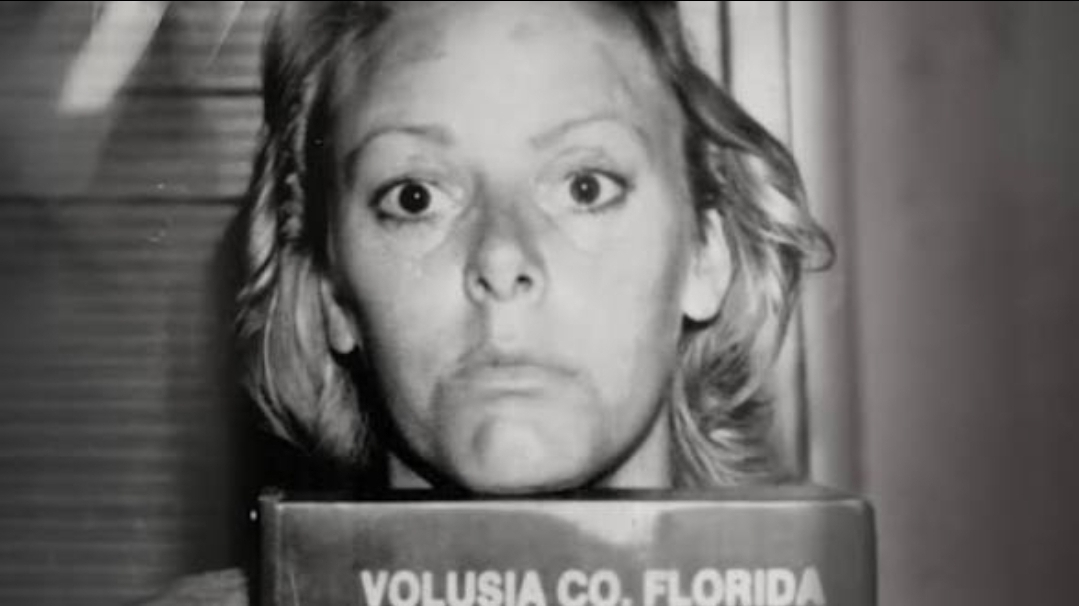
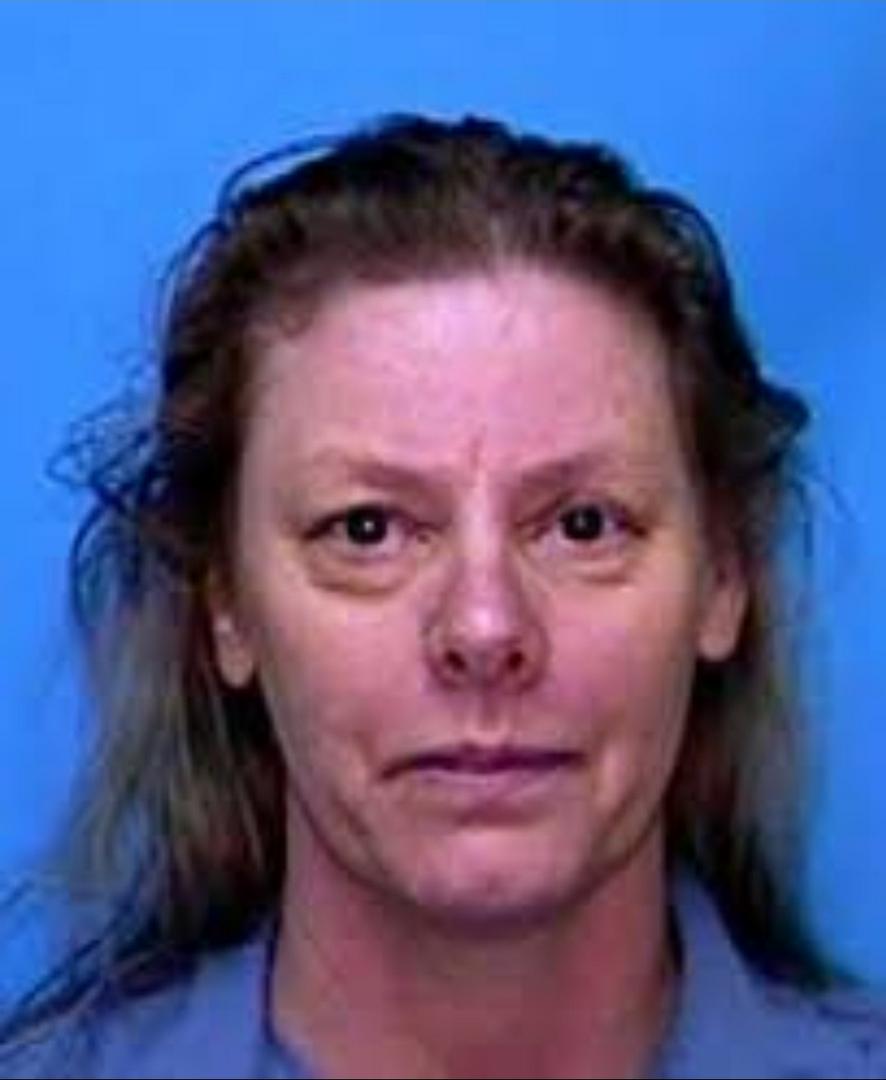
Haunting Justice The Story of Aileen Wuornos In the shadow of Florida’s highways during the late 1980s, Aileen Wuornos became one of America’s most chilling real-life killers. Between 1989 and 1990, she murdered seven men while working as a prostitute, later claiming each act was self-defense against violent clients. Born into abuse and abandonment, Wuornos lived a life of homelessness and trauma before turning to survival sex work. Her rage and pain erupted into a deadly pattern that ended when she was arrested in 1991 after a nationwide manhunt. Convicted of multiple murders, Wuornos faced execution in 2002 at the Florida State Prison. Her story, later portrayed in the film Monster starring Charlize Theron, still echoes through true-crime history — a grim reminder of how horror and humanity can exist in the same person. In October, her tale feels especially haunting — a real monster born from tragedy. #TrueCrime #AileenWuornos #October #Florida #ChaunceyDatGuy

OCTOBER WAS THE END OF HER KILLING SPREEOCTOBER WAS THE END OF HER KILLING SPREEOCTOBER WAS THE END OF HER KILLING SPREEOCTOBER WAS THE END OF HER KILLING SPREE
justme

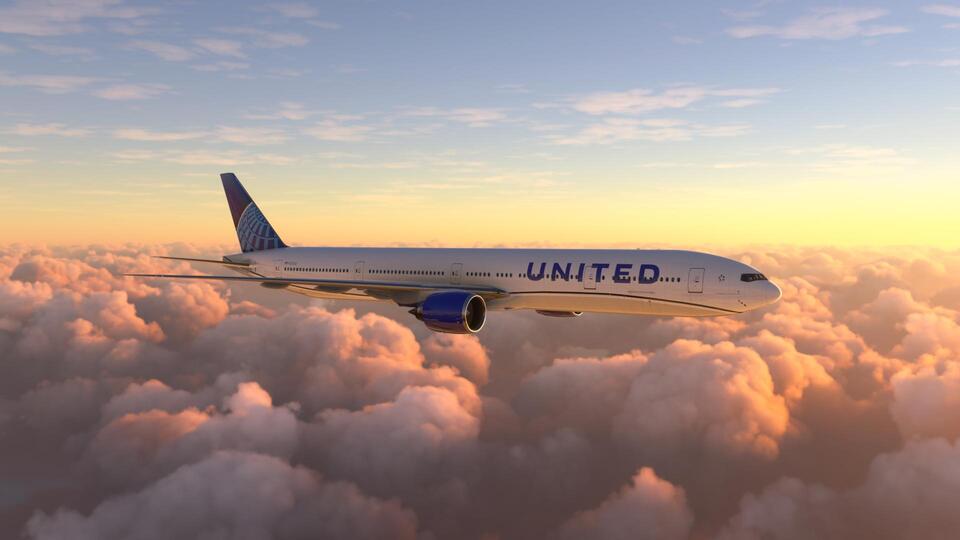
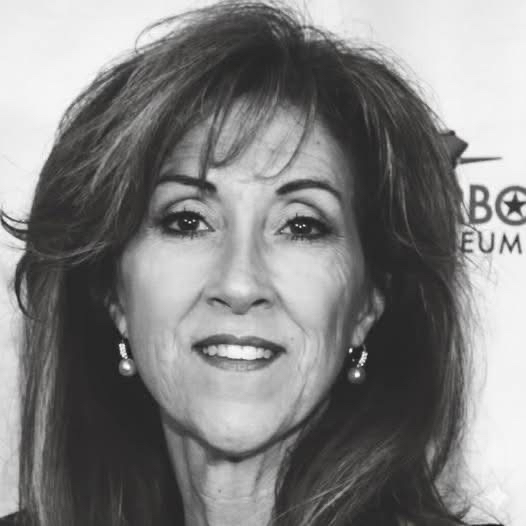
The plane was disintegrating at 32,000 feet. Her voice on the radio sounded like she was ordering lunch. . One hundred forty-nine people settled into their seats. Flight attendants served drinks. The Boeing 737 reached cruising altitude. Everything was routine. Then the left engine exploded. The blast was so violent that Captain Tammie Jo Shults thought they had hit another aircraft. Metal shrapnel tore through the fuselage like bullets. Window 14A shattered instantly. The cabin depressurized with devastating force, air screaming outward at hundreds of miles per hour. Jennifer Riordan, seated at that window, was partially sucked toward the opening. Passengers lunged for her, grabbing her legs and torso, fighting against physics itself to pull her back inside. Oxygen masks dropped. Alarms screamed. The plane rolled violently left and pitched into a dive. Smoke filled the cockpit. Below, in the cabin, passengers sent what they believed were their final messages. "I love you." "Tell the kids I'm sorry." Flight attendants shouted instructions through chaos. Many were certain the aircraft was breaking apart mid-air. The noise was deafening. Systems were failing. One engine was destroyed. Part of the fuselage was gone. And in the middle of this nightmare, Tammie Jo Shults picked up the radio. Her voice was perfectly calm. "Southwest 1380, we're single engine," she said, as casually as if reporting a minor maintenance issue. "We have part of the aircraft missing, so we're going to need to slow down a bit." Air traffic controllers asked if the plane was on fire. "No, it's not on fire," she replied evenly. "But part of it's missing. They said there's a hole, and someone went out." No panic. No fear. Just information delivered with surgical precision. Air traffic control would later say they couldn't believe what they were hearing. Her heart rate, checked by medics


MrsBlunt

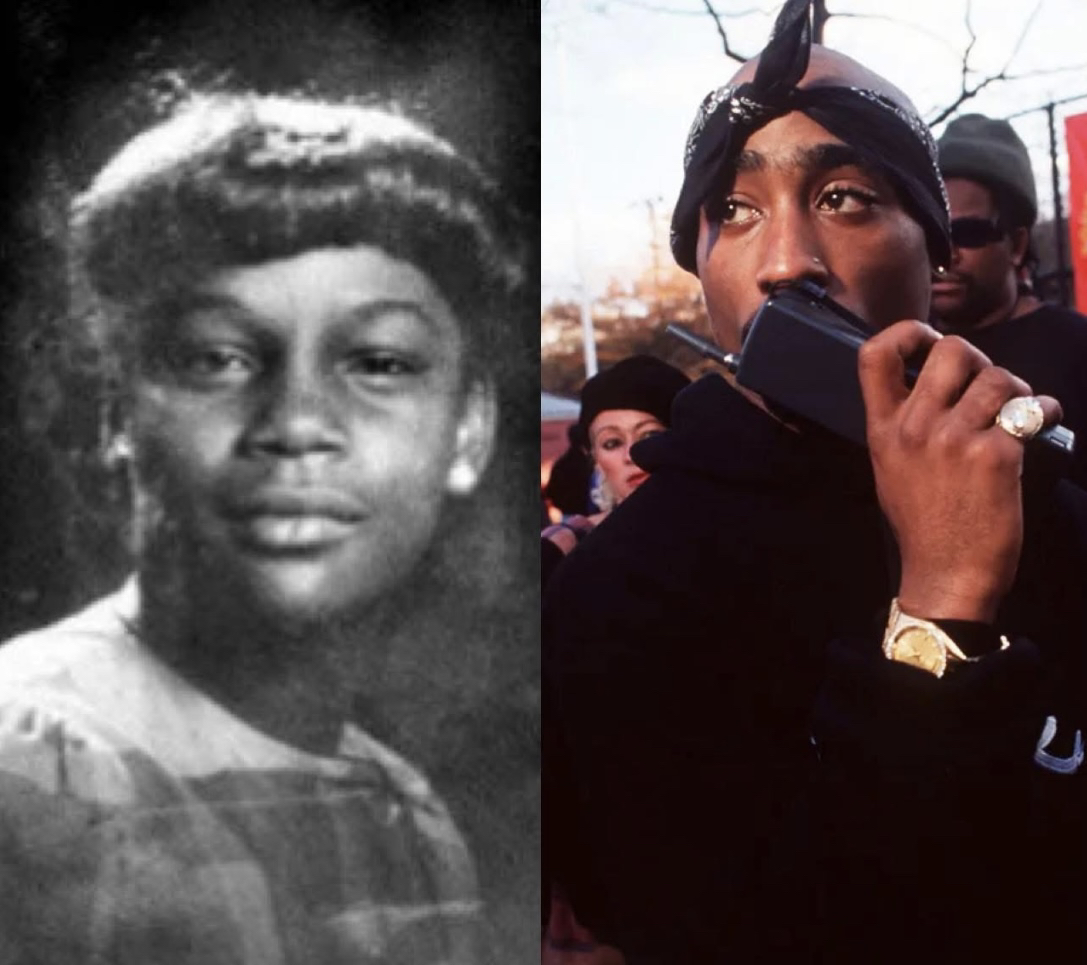
Still So Messed Up… I Shed Tears Every Time I Read This heartbreaking 💔 💔 💔 🥹🥹🥹🥹 Most of y’all don’t know who she is, but she matters. Her name is Latasha Harlins — and her story changed history. In 1991, at just 15 years old, Latasha went to a local Korean-owned market for a bottle of orange juice… and never made it home. The store owner’s wife, Soon Ja Du, wrongly assumed Latasha was stealing. A small struggle happened — Du grabbed Latasha, and Latasha pushed her off to get free. That should’ve been the end of it. But Du grabbed a gun. Latasha picked up the orange juice, placed it on the counter to show she wasn’t stealing, and turned to leave. As she walked away, Du shot her in the back of the head from three feet away… killing her instantly. Despite security footage and two eyewitnesses, and despite a jury finding Du guilty and recommending the maximum 16-year sentence — the judge gave her: • 400 hours of community service • 5 years probation • A $500 fine The judge claimed Du was the “victim,” and Latasha was the “criminal.” Her life was treated like it was worth nothing. Latasha’s murder — along with the beating of Rodney King — became one of the sparks that ignited the 1992 LA Riots. But we rarely hear Latasha’s name. Tupac never forgot her. He spoke about her often and dedicated “Keep Ya Head Up” to her memory. So today, we say her name loudly : Latasha Harlins — you were important then, and you’re important now. Someone heard your story today. 🕊️ #fblifestyle