Category Page news

Misty Burns

SNAP and the Hours That Weren’t There

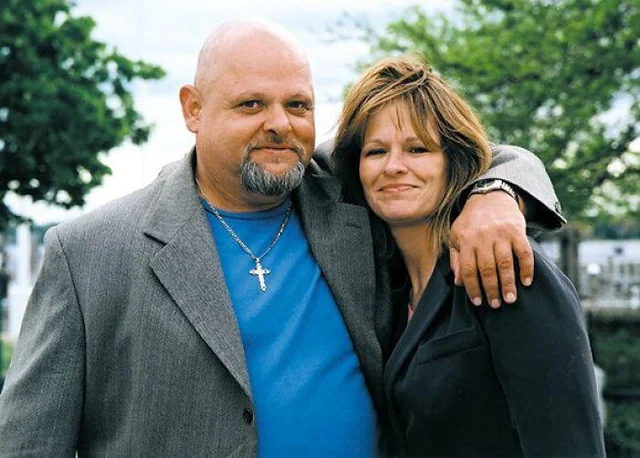
I’m almost 50 and live alone. Most of my life, I’ve done manual labor – washing dishes in restaurants, mowing lawns in the summer, temporary warehouse work for stores in the winter. None of it was ever steady. When things got really tight, I applied for SNAP. The money wasn't much, but it at least made sure I had something in the fridge, so I wouldn't go hungry. Then, I got that letter. It said I was an "Able-Bodied Adult" and had to work or be in training at least 80 hours a month. Otherwise, after three months, my SNAP benefits would stop. 80 hours. Doesn't sound like much, right? About 20 hours a week. Maybe in the city, that's no big deal. But in our small town, it's a huge problem. The biggest factory here closed down years ago. Most of the young people left. The jobs left are either seasonal gigs in the summer, or maybe the small general store needs someone to move boxes once in a while. I'm not lazy. I've looked for every bit of work I could find. Last month, I got 40 hours with the lawn company and 25 hours at the general store. That's 65 hours total. I ran myself ragged, and that's all I could scrape together. I turned in my timesheet, worried sick. Sure enough, this month, I got the notice that my benefits were cut off. The letter was cold, just said I "failed to meet work requirements." I stood in my kitchen, holding that letter, looking at my half-empty fridge. I felt this huge sense of helplessness. This rule, it assumes the jobs are just there, waiting for you, if you just try. But it doesn't see the reality here. There aren't that many jobs. There aren't that many hours. It's not that I don't want to work. It's that there isn't enough work to do. This policy, it's not motivating me. It's punishing me for living in the wrong place. It's pushing me even further down, leaving me almost too tired to even look for the next odd job. #SNAPLife

SNAP and the Hours That Weren’t There
Stacey Maxwell

Is No Kings code for being sore losers?

No actually it is not. That is your story, the MAGA cult line fed to you, based upon projecting of the actions of MAGA when Trump lost. We are protesting assaults on our constitution, due process, free speech, emoluments clause violations, extrajudicial arrests & killings, the dismantling of the checks, balances and non-partisan oversight entities. It’s about the detention & arrest of American citizens without just cause or warrant. And so much more like the oligarchs consolidating our entertainment and journalism into one big beautiful profitable propaganda machine. It’s about the violation of Posee commitatus and using the military on our streets against citizens without cause. It’s not about being a sore loser screaming it’s a witch hunt. It’s about freedom, honesty, transparency, ethics, our constitutional rights. The No Kings Protests are a code word for actual First Amendment Patriotism and fighting for rights you haven’t even realized are being taken from you.

Is No Kings code for being sore losers?
floyddouglas

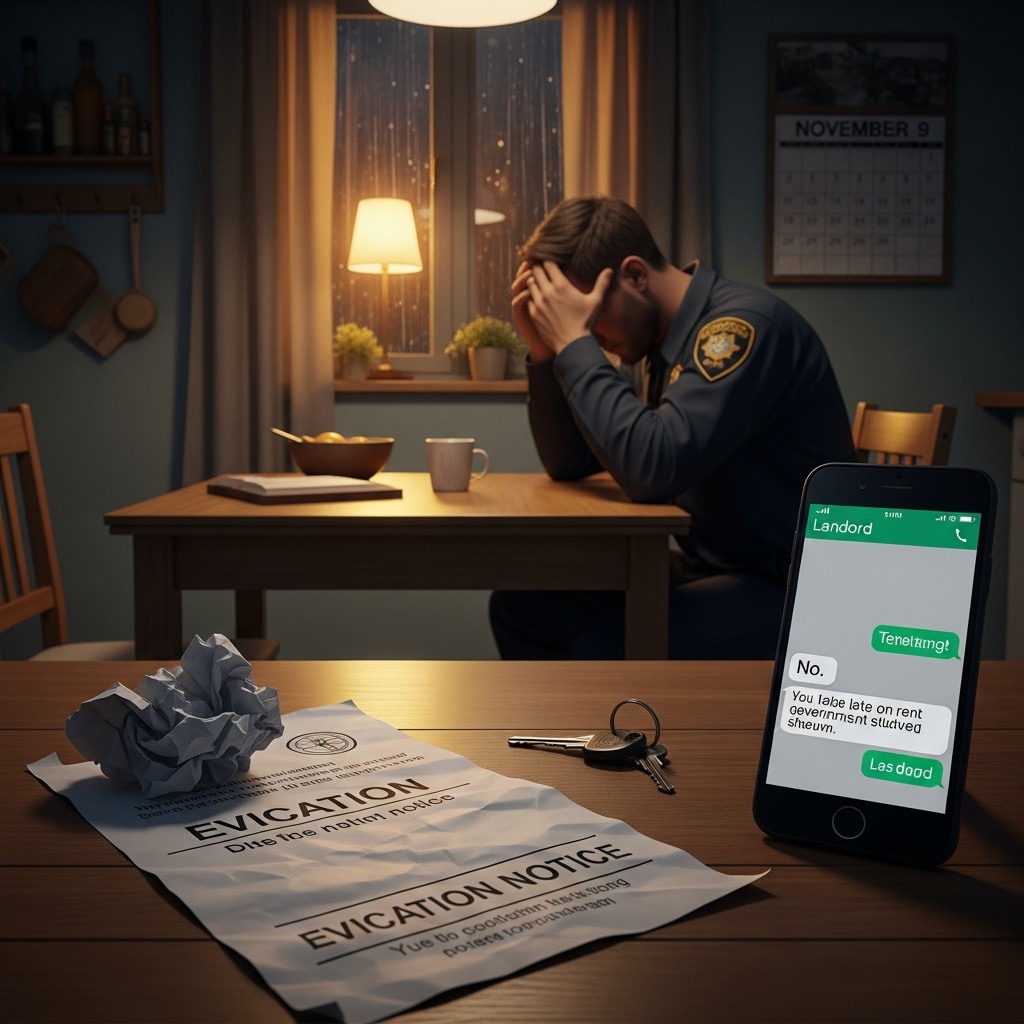
My tenant is a corrections officer at the federal prison. He's "essential" but unpaid. He texted me yesterday saying he might be two weeks late on November's rent because of the shutdown. I texted him back: No. I'm not some big corporation. I own one rental property, and that rent check is my retirement income. My property taxes and insurance don't get paused just because Congress is fighting. He signed a lease. I sympathize with his situation, but "government shutdown" is not in the force ma

My tenant is a corrections officer at the federal prison. He's "essential" but unpaid. He texted me yesterday saying he might be two weeks late on November's rent because of the shutdown. I texted him back: No. I'm not some big corporation. I own one rental property, and that rent check is my retirement income. My property taxes and insurance don't get paused just because Congress is fighting. He signed a lease. I sympathize with his situation, but "government shutdown" is not in the force majeure clause. It's his responsibility to have an emergency fund. If he can't pay, I am filing for eviction on the 10th. It's a business decision, not a personal one. #Landlord #Eviction #NoExcuses

My tenant is a corrections officer at the federal prison. He's "essential" but unpaid. He texted me yesterday saying he might be two weeks late on November's rent because of the shutdown.  I texted him back: No.  I'm not some big corporation. I own one rental property, and that rent check is my retirement income. My property taxes and insurance don't get paused just because Congress is fighting.  He signed a lease. I sympathize with his situation, but "government shutdown" is not in the force ma
Joseph Robinson

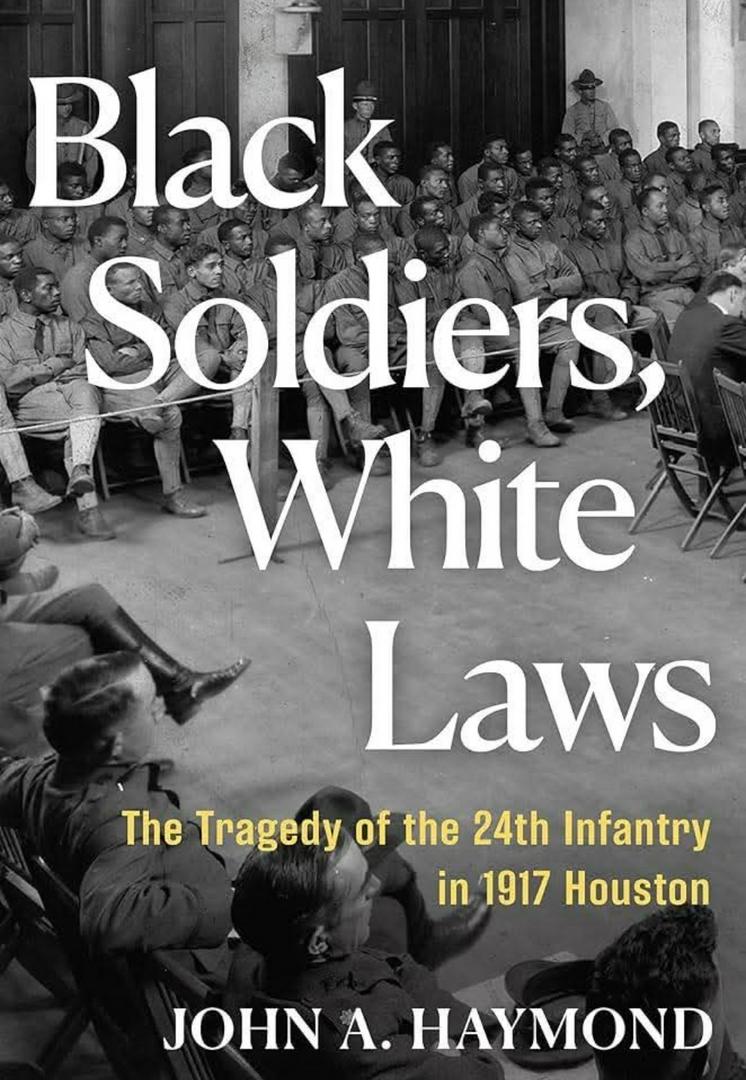
The first full and definitive narrative of one of the most shocking and largely unknown events of racial injustice in US history: the execution of nineteen Black soldiers in Texas On the sweltering, rainy night of August 23, 1917, one of the most consequential events affecting America’s long legacy of racism and injustice began in Houston, Texas. Inflamed by a rumor that a white mob was arming to attack them, and after weeks of police harassment, more than 100 African American soldiers of the 3rd Battalion, 24th Infantry Regiment, took their weapons without authorization and, led by a sergeant, marched into the largely Black San Felipe district of the city. Violent confrontations with police and civilians ensued and nineteen lives were lost. The Army moved quickly to court-martial 118 soldiers on charges of mutiny and murder, even though a majority of the soldiers involved had never fired their weapons. Inadequately defended en masse by a single officer who was not a lawyer and had no experience in capital cases, in three trials undermined by perjured testimony and clear racial bias, and confronted by an all-white tribunal committed to a rapid judgment, 110 Black soldiers were found guilty—despite the fact that no mutiny had, in fact, taken place. In the predawn darkness of December 11, thirteen of them were hanged at Fort Sam Houston in San Antonio—hastily and in secret, without any chance to appeal. News of the largest mass execution in the Army’s history outraged the country and inspired preventive legislation; and yet six more Black soldiers were executed in early 1918 and the rest were sentenced to life in prison. The Houston Incident, as it became known, has remained largely untold, a deep stain on the Army’s record and pride. Award-winning historian and Army veteran John A. Haymond has spent six years researching the events surrounding the Incident and leading the efforts that ultimately led, in November 2023, to the largest act of retroactive clemency in

LataraSpeaksTruth

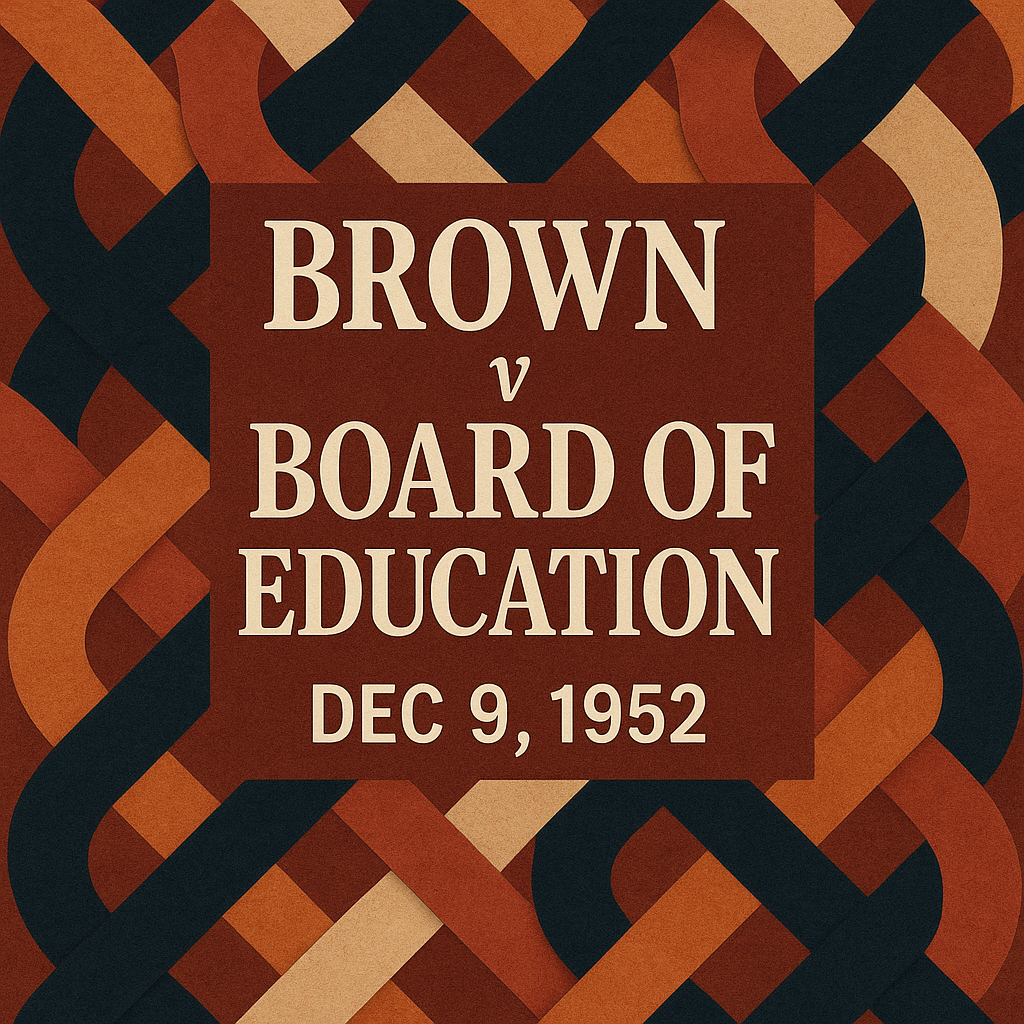
December 9, 1952 marked a turning point in American history, even though most people at the time didn’t realize how much the moment would reshape the nation. On this day, the U.S. Supreme Court began hearing arguments in Brown v. Board of Education and several related cases challenging school segregation. Families from Kansas, South Carolina, Virginia, Delaware, and the District of Columbia all stepped forward, insisting that separate classrooms created unequal futures for their children. Their voices carried a message that had been ignored for decades, and this was the first time the highest court in the country had to confront it head-on. The arguments unfolded over several days, exposing a truth that had long been clear to the families living it. Segregated schools were not just separate, they were deeply unequal in funding, safety, resources, and opportunity. Attorneys including Thurgood Marshall pushed the Court to acknowledge the harm being done to children who were told, by law, that they were worth less. It challenged the very idea of fairness in public education and forced the nation to face its contradictions. Though the Court would not reach a final decision until 1954, December 9 was the spark that set everything in motion. The justices’ willingness to reopen arguments multiple times showed how heavy the moment truly was. They knew the outcome would transform every district, every classroom, and every child’s understanding of what equality should look like in America. The eventual ruling, declaring school segregation unconstitutional, did more than change policy, it changed the nation’s direction. And it all began with the courage of families who refused to let inequality be the last word. #LataraSpeaksTruth #NewsBreak #HistoryMatters #AskLemon8 #BlackHistory #AmericanHistory #BrownvBoard #OnThisDay #CivilRightsHistory

Category: News - Page 33 | LocalHood