Category Page news

The Elf Team π

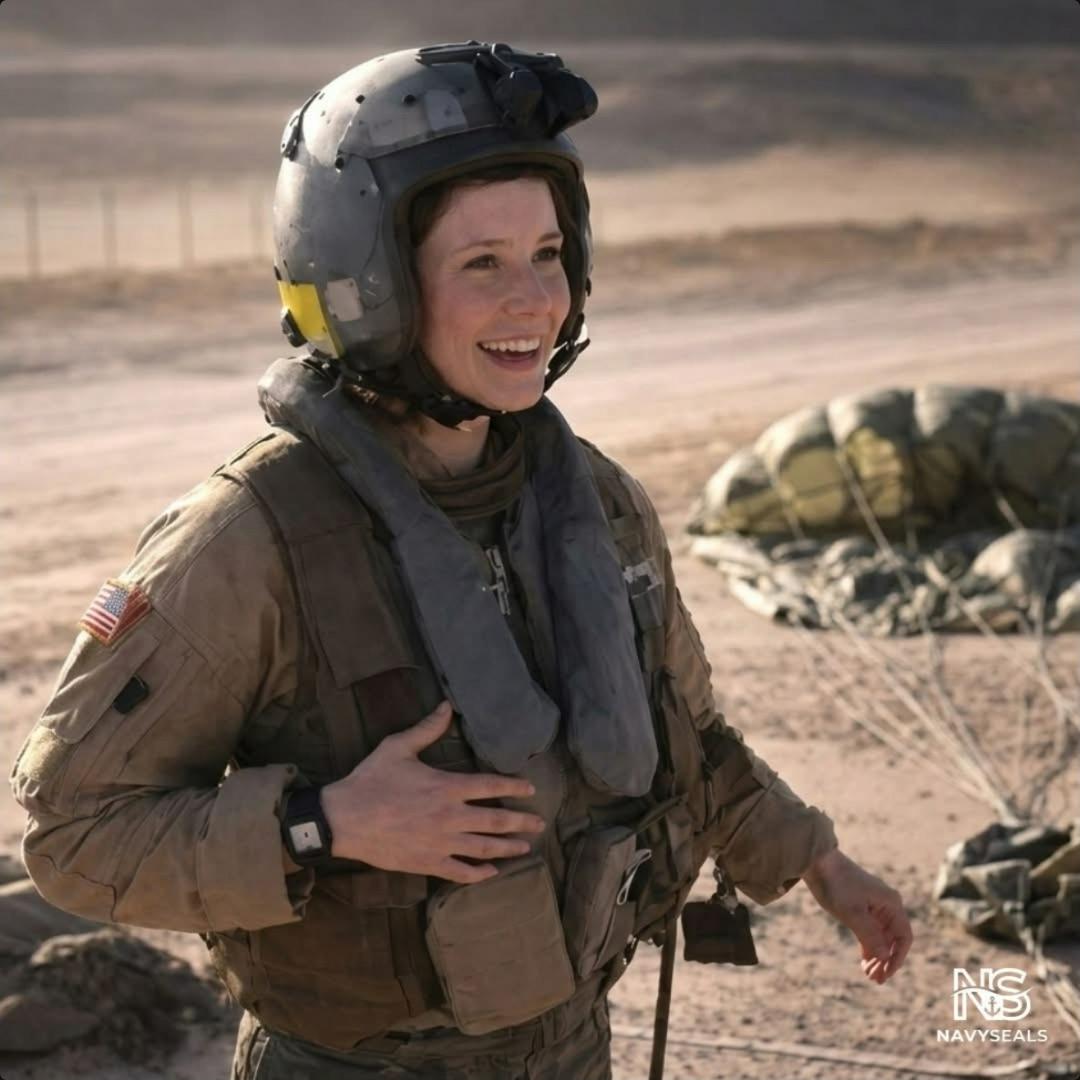
When her F-1 5E Strike Eaqle was accidentally brought down in a friendly-fire incident, a U.S. Air Force pilot eiected safely and parachuted into Kuwait. She had no way of knowing what would be waiting for her when her boots touched the ground She landed in unfamiliar terrain - in the middle of uncertainty What happened next is the part that deserves to be remembered Video taken by bystanders shows local Kuwaitis runnina toward her. Not with hostility. Not with anger. But with concern. One man can be heard urgently asking if she was okay, if she needed help. His voice carried worry - and compassion. At one point, he even thanked her for helping them In the middle of conflict and political tension, ordinary people chose humanity. At a time when entire nations, religions, and cultures are too often reduced to stereotypes, that moment offered a powerful reminder: kindness does not belong to one flag, one faith, or one people Compassion has no border Kuwait is a Muslim-majority country. The men who rushed to assist that American pilot were Muslims. But in that moment what defined them was not religion or geopolitics - it was empathy They saw someone vulnerable And they responded The headlines we see most often focus on division and violence. Yet far more common - and far less reported - are simple acts of decency. Strangers stepping forward People recognizing shared humanity even in uncertain times. A pilot descending from the sky, met not with hostility but reassurance, tells a deeper story: beneath the noise of global conflict most people simply want safety, dignity, and peace. Kindness crosses borders It transcends language It outshines politics. And sometimes, in the places we least expect it, it shines the brightest.
Tiffani chavez

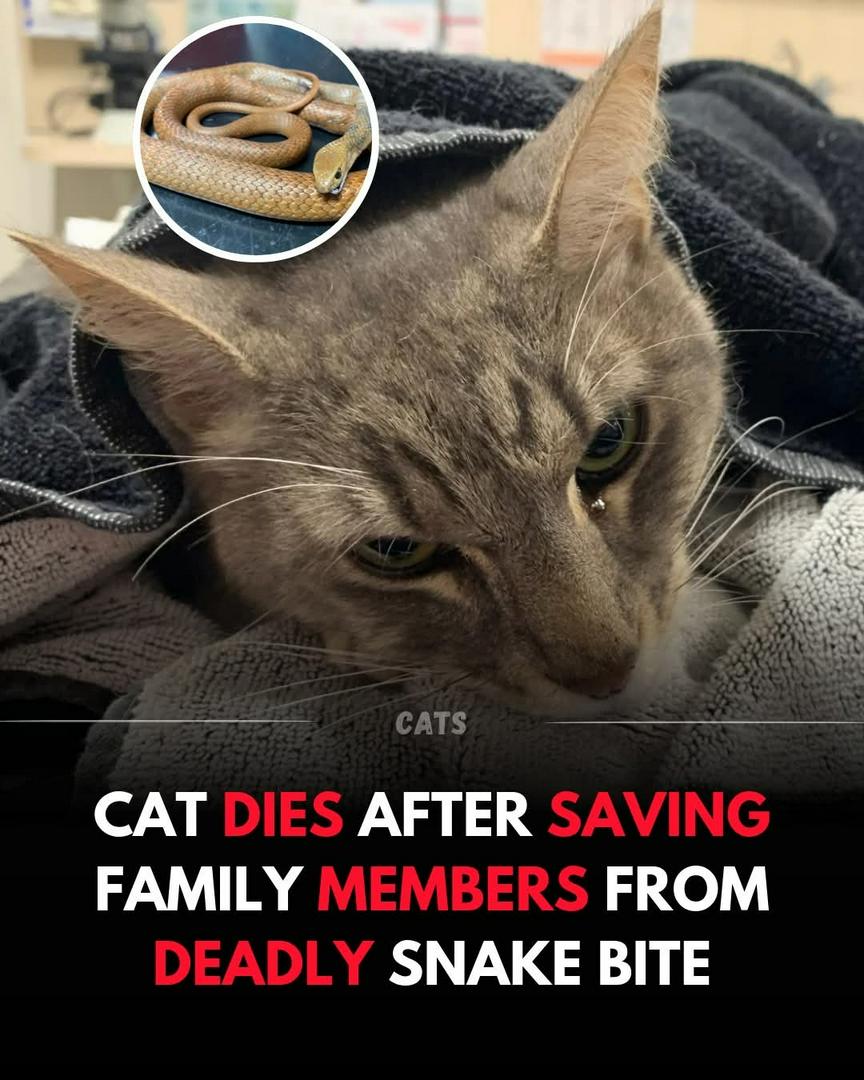
Arthur wasn’t just a pet he was family. On what seemed like a normal day in Queensland, the beloved shorthair cat noticed danger before anyone else did. As an eastern brown snake crept toward two young children playing in the yard, Arthur sprang into action. He fought off the venomous snake, giving his family enough time to get the children to safety. Though he appeared fine at first, the snake’s deadly venom had already taken hold. Within 24 hours, Arthur collapsed again and sadly passed away. Arthur gave his life protecting the people he loved most. He is remembered as a hero by his family, by veterinarians who cared for him, and by thousands touched by his bravery. A powerful reminder of the silent dangers around us and the incredible loyalty of our pets. #CatSensesDangers #Cats #CatLovers #Pets #NewsBreaks

Joseph Robinson

From the start, Black veterans had trouble securing the GI Bill’s benefits. Some could not access benefits because they had not been given an honorable discharge—and a much larger number of Black veterans were discharged dishonorably than their white counterparts. Veterans who did qualify could not find facilities that delivered on the bill’s promise. Black veterans in a vocational training program at a segregated high school in Indianapolis were unable to participate in activities related to plumbing, electricity and printing because adequate equipment was only available to white students. Simple intimidation kept others from enjoying GI Bill benefits. In 1947, for example, a crowd hurled rocks at Black veterans as they moved into a Chicago housing development. Thousands of Black veterans were attacked in the years following World War II and some were singled out and l*nched.

justme

Opinion: What homeless people want you to know 16 hrs ago David David Heitz user • @davidheit_5e285 •. The picture of a stereotypical homeless person in America has emerged as someone who uses fentanyl on street corners, defecates in an alley, shoplifts at Walmart, neglects their children, and lives a life void of meaning. These are videos that people who hope to profit off of disdain of the unhoused post on social media to enrage their followers and generate clicks. In reality, people react to these videos with such disgust because they don’t understand that most homeless people are not doing any of those things. And even if they are, there are logical explanations for how they choose to survive. And that’s all any homeless person is trying to do, survive. Most have no tools for survival, however, stacking all odds against them. As a formerly homeless person, there are a few things I think you should understand: Homeless people don’t defecate on the street to be gross or unsanitary. They do it because there is absolutely nowhere around to go to the restroom. Sure, some restaurants have loos – but only for paying customers. I know of no convenience store in Denver that offers public toilets. Homeless people don’t walk around dirty because they enjoy it. Living outdoors 24/7 means you get dirty. Walking in circles 24 hours per day does, too. You’re not allowed to sit down and rest in most places, lest you be cited for loitering. So, you walk all days until your socks are soaked with sweat and your feet break out in blisters, creating a smell so vile it turns your stomach. Photo byRoad AheadonUnsplash Homeless people want to work. Every homeless person I know who is able bodied wants a job.