Category Page relationships

Dashcamgram

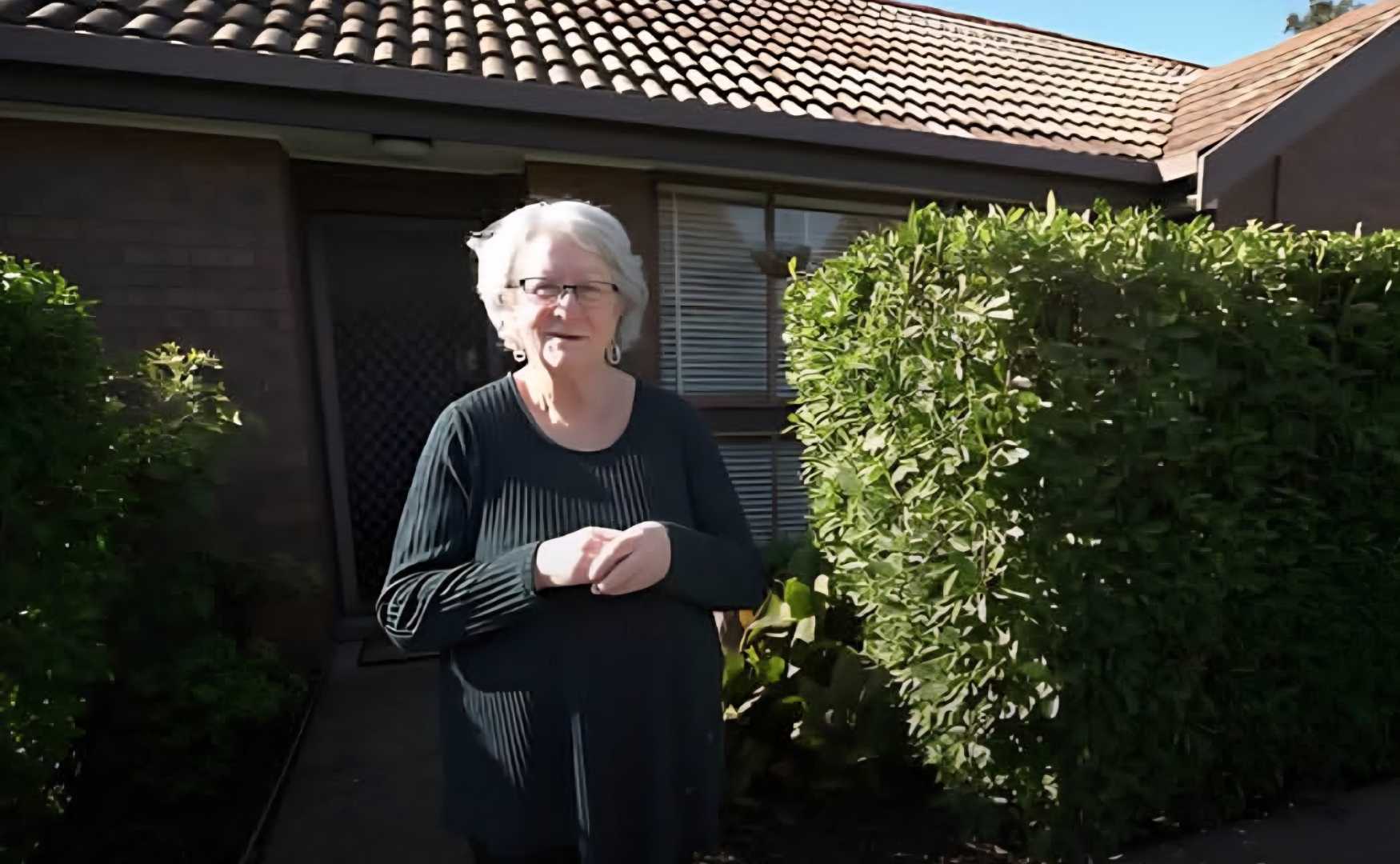
This story is hitting people right in the heart. For 23 years, she rented the same modest home, paid her rent on time every single month, handled repairs herself, and treated the place like it was already hers. No drama. No excuses. Just consistency and respect. Her landlord, a wealthy man who rarely interacted with her, quietly took notice of how she showed up year after year. Instead of another lease renewal, he surprised her with something she never expected — the deed to the house, free and clear. No payment. No catch. Just gratitude for decades of reliability and integrity. One moment changed her entire life. It’s a powerful reminder that while good character isn’t always rewarded immediately, sometimes it’s seen… and remembered. And when it is, the outcome can be life-changing. #FaithInHumanity #GoodKarma #LifeChangingMoments #ConsistencyMatters #Integrity #HeartwarmingStory #RealLifeBlessings

justme

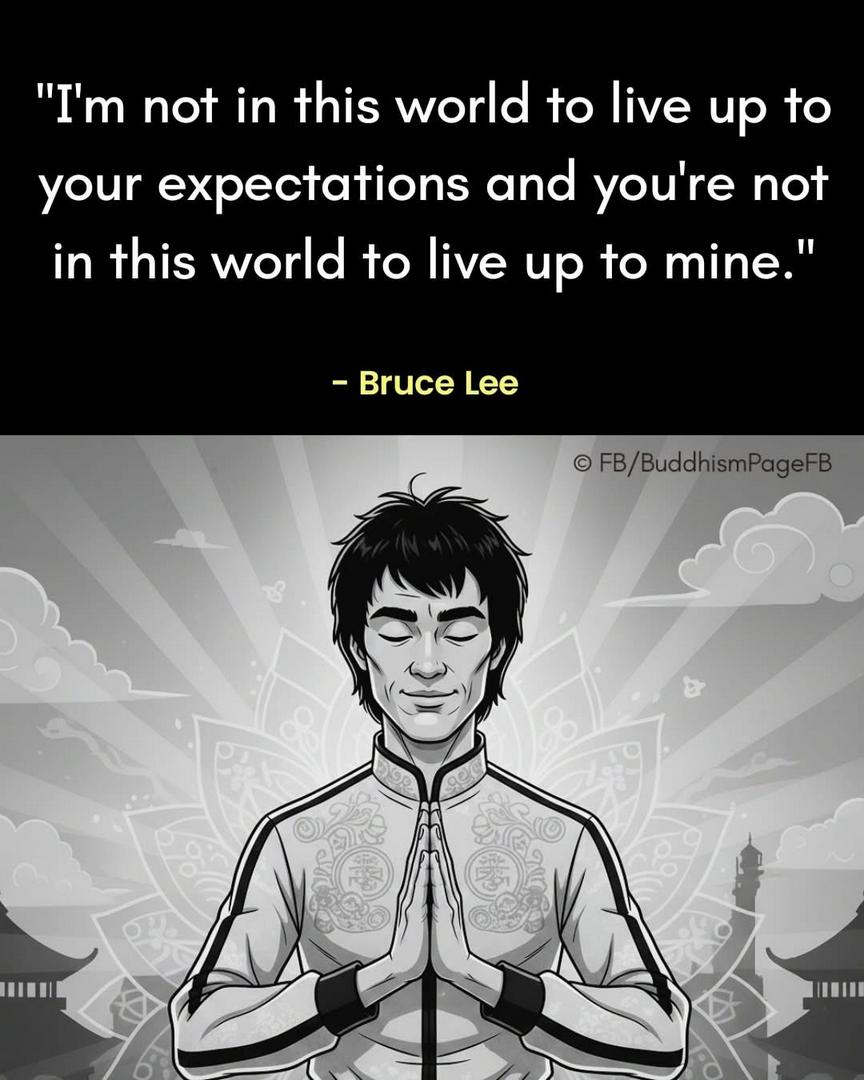
Freedom From Expectation...This is not rejection. This is emotional freedom. Many relationships suffer Because of silent expectations. Expecting people to think like us. Expecting people to behave like us. Expecting people to understand us without communication. And when they don’t… We create pain for ourselves. In Buddhist wisdom, suffering often comes From attachment to how we think life should be — Instead of accepting how life actually is. You are here to live your truth. To grow in your own direction. To learn your own lessons. And others are walking their own path too. This does not mean we stop caring. It means we stop controlling. Healthy relationships are not built On forcing expectations. They are built on: Understanding. Communication. Respect for individuality. 🌿 Let people be who they are. 🌿 Let yourself be who you are. 🌿 Meet in respect — not pressure. Because real connection Happens when two people choose each other freely — Not when they force each other to fit expectations.

justme

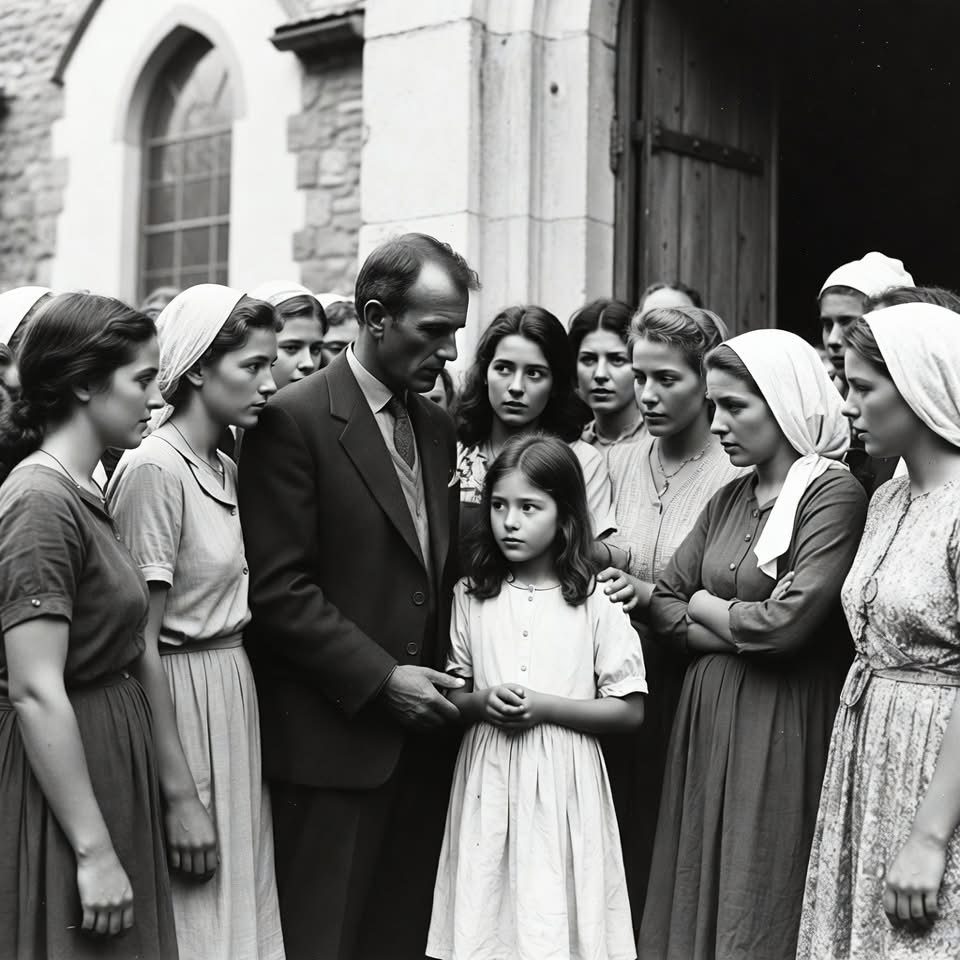
Twelve-year-old Grace Mitchell sat in the front pew of the small rural Georgia church on a Sunday morning in 1917, unaware that behind the closed doors of the church office, five women from the congregation were having an intense conversation with Grace's parents about the arranged marriage plans for Grace to a thirty-one-year-old widower, and these five church women—led by fifty-five-year-old Mrs. Sarah Henderson, the pastor's wife—were united in their determination that this marriage should not happen, that twelve was too young regardless of local customs or family financial needs, and that the church community had a responsibility to protect Grace even if it meant confronting her parents about their plans. Mrs. Henderson had learned about the planned marriage when Grace's mother had asked the pastor to perform the ceremony in three weeks. While child marriages were not uncommon in rural Georgia in 1917, something about this particular situation had troubled Mrs. Henderson—Grace was exceptionally young even by local standards, the age gap was significant, and Grace herself seemed frightened and unhappy whenever the upcoming marriage was mentioned. Mrs. Henderson had spoken with Grace privately and confirmed that the girl didn't want to marry, was scared of leaving her family, and had been crying herself to sleep every night thinking about it. Mrs. Henderson had then quietly gathered four other women from the church—all mothers, all women who remembered being young and powerless—. I know it's not our business technically, but if we don't speak up, who will? That child needs someone to protect her." The five women had agreed to approach Grace's parents together, presenting a united front rather than a single voice that could be easily dismissed. In the church office after Sunday service, the women made their case: Grace was too young,

justme

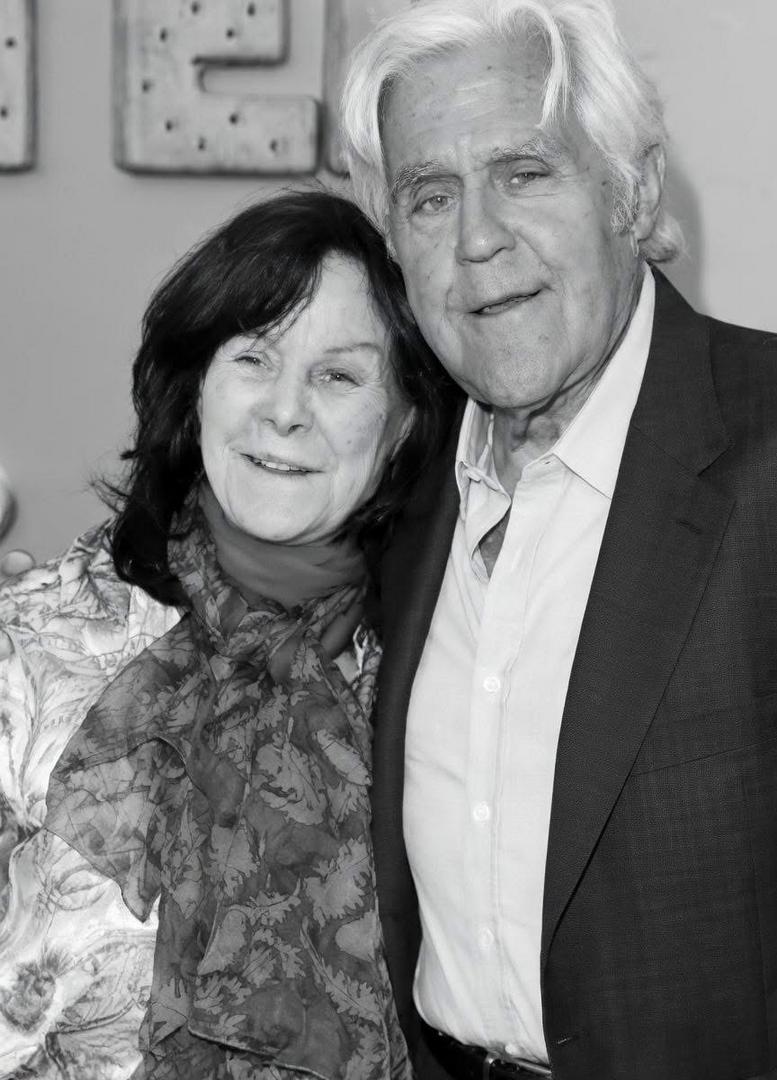
Every morning for nearly three years, the same heartbreak began again. Jay Leno would wake up beside his wife, and within moments she would discover something that shattered her all over again. In her mind, her mother had just died. Not yesterday. Not years ago. Just now. She would cry the way people cry when loss is still raw and unbelievable. The kind of grief that arrives in waves you cannot hold back. And every morning, Jay held her while she cried. He stayed there until the storm passed. Then he went to the kitchen, made breakfast, and started the day. The next morning it happened again. Her name is Mavis Leno. They have been married more than forty five years. Long before illness began stealing pieces of her memory, she lived a full and fearless life. She spent years advocating for women trapped under Taliban rule in Afghanistan. Her work was so serious that her name was once discussed among those considered for the Nobel Peace Prize. She traveled the world. She asked questions. She spoke her mind. Anyone who knew the couple will tell you that Jay, despite decades of fame and millions of television viewers, often said his wife was the more interesting one in the room. Then dementia arrived. In 2024 Jay quietly filed for legal conservatorship over her estate. Doctors had confirmed advanced dementia. The disease had progressed to the point where she could no longer manage her own affairs. Jay did not hide it or dress it up. When he spoke about it publicly, his words carried the careful weight of someone who had lived with the reality for a long time. Dementia rarely crashes into life all at once. It moves slowly, like a tide that keeps rising. Each time it pulls away, something familiar disappears with it.

Lisa Goodman

SNAP and the Birthday Cake

SNAP and the Birthday Cake My daughter was about to turn six. It had been a really tight year. Almost every dollar I made went to rent and bills. The food on our table? That came from the SNAP benefits that hit my EBT card each month. I’d been promising her for a long time that on her birthday, I’d get her that princess cake she loved—the one with the pink frosting and rainbow sprinkles. We’d seen it at the grocery store a few times, and she’d always press her face against the glass display, refusing to leave. On her birthday, I took her to the store. I let her pick it out herself. She chose the smallest one, but her eyes were lit up. I carefully placed the cake in our cart, along with some milk and eggs. At the checkout, I pulled out my EBT card, just like always. The cashier scanned the milk and eggs, then picked up the cake. She turned it over, then looked at me with an apologetic smile. "I'm sorry," she said, "but you can't pay for this with SNAP." I was stunned. "Why not? It's food." "It's a prepared item from the bakery," she explained. "The rules say items with low nutritional value, like decorated cakes, aren't eligible. But you can use the card to buy flour, sugar, and eggs to make one yourself." My face burned. There were people in line behind me, and my daughter was looking up at me, her eyes full of hope. Make one myself? My oven broke last month, and it costs over a hundred dollars to fix—money I just don't have. And even if I had an oven, could these hands of mine ever make a princess cake that beautiful? I couldn't explain "prepared items" and "nutritional value" to a six-year-old. All I could do was crouch down and say, in the softest voice I could manage, "Honey, how about... how about we get something else? We can get some cookies." The light in her eyes just went out. She didn't cry, but she went silent. I took the beautiful princess cake out of the cart and handed it back to the cashier. On the walk home, my daughter didn't say a word. I know SNAP is meant to keep us fed, to provide nutrition. But on that day, I really wanted to ask the people who made the rules: isn't a child's happiness on her birthday a kind of nutrition, too? Why do these rules make the simplest celebration for a normal family so incredibly difficult? #SNAPVoices #SNAPLife

SNAP and the Birthday Cake
Category: Relationships - Page 3 | LocalAll