1/4


America’s First Serial Killers: The Harpe Brothers
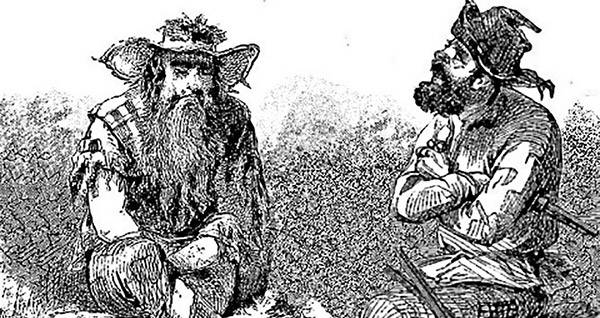
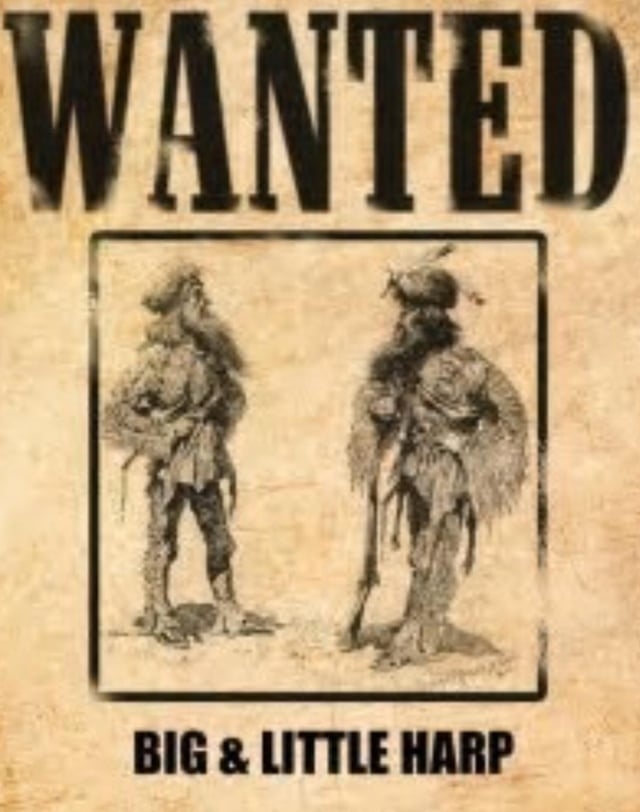
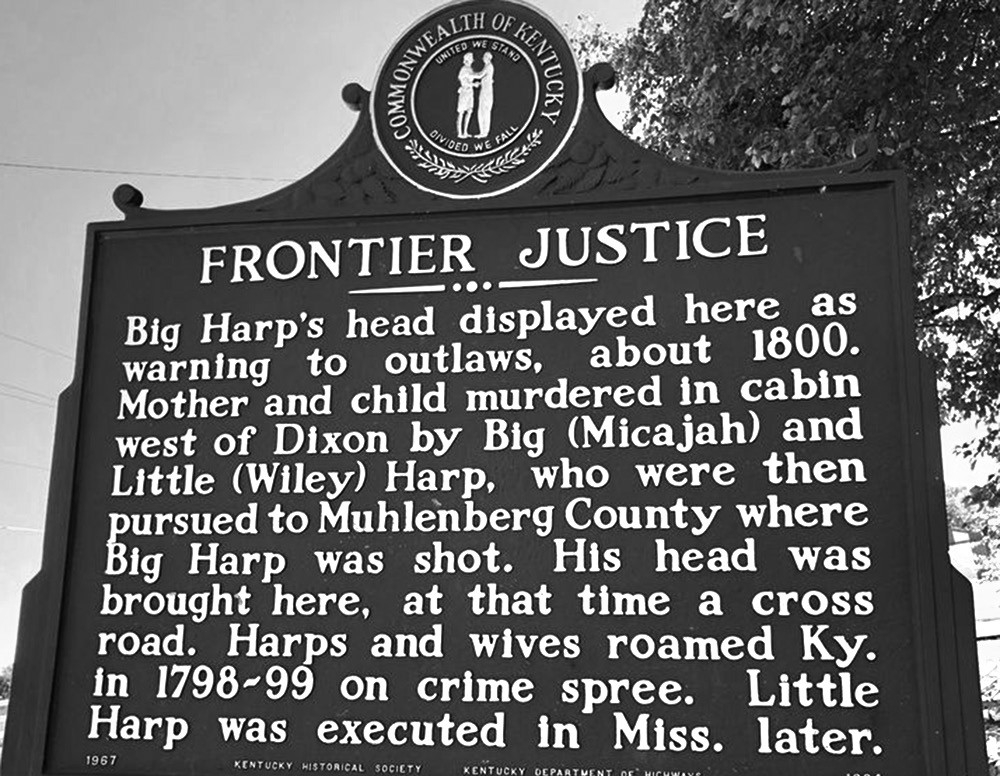
In the chaotic years after the American Revolution, the frontier was lawless, and danger lurked behind every tree. Among its deadliest threats were the Harpe brothers, Micajah “Big Harpe” and Wiley “Little Harpe.” From the early 1790s until 1799, they terrorized Kentucky, Tennessee, and the Ohio Valley, becoming America’s first documented serial killers. Unlike ordinary thieves, they killed for pleasure. Travelers, farmers, and children alike vanished or were found mutilated. Witnesses recalled attacks carried out with rifles, knives, brute force, and bodies dumped in rivers or shallow graves. Families who showed them hospitality often paid with their lives. Investigators faced enormous challenges. Sheriffs patrolled vast territories with few deputies, relying on terrified settlers’ fragmented reports. Survivors recounted horrifying scenes: Big Harpe grinning as he stabbed a merchant in 1797, Little Harpe forcing a child to kneel before shooting him in 1798. Authorities tracked patterns in victim locations, repeated sightings along trails, and the brothers’ distinctive clothing, noting they often traveled with women and children. Wanted notices circulated and newspapers printed descriptions, sparking one of the earliest wide-scale manhunts in American history. The brothers’ unpredictability was chilling. They could appear courteous one moment, erupting into sudden, brutal violence the next. Patterns emerged: families slaughtered in cabins, lone riders gunned down on trails, infants killed for sport. Theft was rare, suggesting the murders were driven purely by sadistic thrill. Their reign ended in June 1799 when Big Harpe murdered the wife and infant of settler Moses Stegall. Stegall formed a posse, tracked Harpe through the Kentucky wilderness, and killed him himself. To send a warning, he decapitated Harpe and mounted the head on a stake by the road, leaving it there for weeks. Little Harpe initially escaped but was later captured and executed. #History #USA
Tennessee • 2025-10-03

Arlene Mdgowan
Do we all notice that there was no big old trial followed by a sentence of life in prison? NOPE. Instead they were EXECUTED as it should be. Just sayin
10-04
Orrington, ME
Reply(4)
14

Timothy McCaskey
The twisted tale of Big Harpe and Little Harpe... Who always made sure their knives were sharp... They terrorized the land... And just as soon cut off your hand... Their idea of a good time was indeed quite warped.
10-04
Tomball, TX
Reply(3)
9

Michael Mcdonald
maybe we will have a movie about this. who do you think would play the characters?
10-03
Las Vegas, NV
Reply(4)
3

King Richard
Wow. Never heard of these two.
Glad they were caught and executed. Very interesting article.
10-03
Reply
5

Lorilea Mullen
Wow! How Awful! I'm So Glad That Moses Stegall Tracked And Extracted Revenge For His Wife And Baby. It May Sound Cold Hearted On My Part But I Don't Care. Those Were His Family ~ People He Loved With All His Heart. Glad They Got The Brother Too!
10-03
Wilmington, NC
Reply
3

Michael Gonzales
thought it was jack the ripper
10-05
San Benito, TX
Reply(2)
1

Stephanie Harp
these are my relatives, my daughter actually did a social studies fair project on them
10-06
New Orleans, LA
Reply
2

finzbar
that we know of....
10-03
Palm Coast, FL
Reply
2

engineersteveo
Primordial democrats
10-05
Stone Lake, WI
Reply
2
More comments ...
write a comment...