1/1

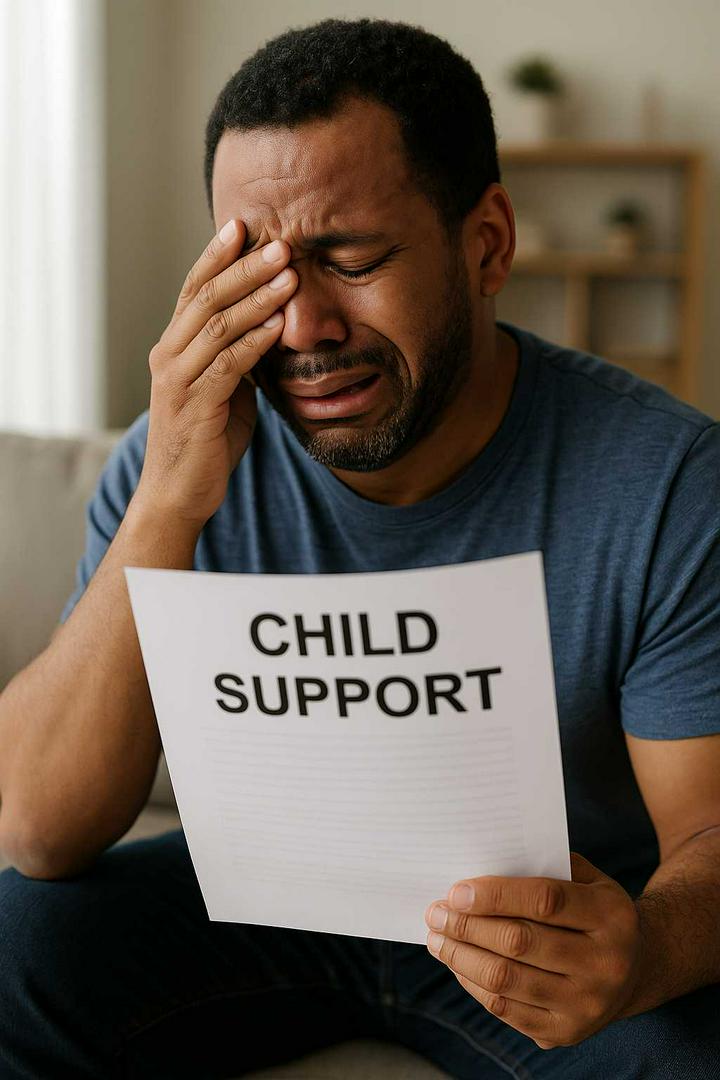
Could Child Support Be Abolished?
The system of child support in the U.S. has been around for decades, designed to ensure children get financial support from both parents. But critics argue it may violate constitutional rights, especially when the burden falls heavily on non-custodial parents and creates unequal outcomes. One concern is due-process: the Turner v. Rogers decision held that courts must consider whether a non-custodial parent has the ability to pay before being punished for non-payment. Meanwhile, some argue that since the system often requires payments in favor of the custodian (frequently the mother), it structurally advantages one parent over another—raising equal-protection questions. Those seeking abolition say: if the law compels payment without full regard to ability, or tilts toward one gender by historical pattern, it may breach constitutional protections and fairness norms. On the flip side, defenders of the system say it protects the child’s right to support and is a legitimate exercise of the state’s interest. In short: the question isn’t just about “should support exist” but how it’s structured and whether it fairly balances rights—non-custodial parents’ liberty and ability to pay, custodial parents’ need, and children’s welfare. The debate about outright abolition is extreme, but the push for major reform is very much alive. #ChildSupport #FamilyLaw #DueProcess #EqualProtection #ParentingRights #ChaunceyDatGuy
2025-11-04

Jamie Everett
Why take from a child? This makes no sense.
11-04
Washington, NJ
Reply(47)
23

cindylou
im a woman i have kids however I think the child support system is horrible. If a man looses his job , gets behind gets his licenses suspended how is he suppose to function without it. it just seems messed up
11-05
Gulfport, MS
Reply(16)
15

Wendy Ellstrom
I am the grandmother and have custody. Yes they should have to pay for kids they have.
11-04
Jacksonville, FL
Reply
25
Monell Servis
What about the single mothers who are custodial parents? The fathers get a free pass? Not right. My daughter works. If this idea were to pass, she’d have to work a second job and never be home for my granddaughter. He abandoned my granddaughter!!!
11-05
Reply(12)
6

Douglas Halter
The law and formula needs revamped. No way should custodial spouse receive both child support and spousal support. I believe in helping with child support but present formulas and laws need revision.
11-04
Lancaster, PA
Reply(7)
6

Arlin Willford
I pay for three kids n two are not mine . I'm white n my ex was white we split up n went different ways she got pregnant while I was outta state we were going thru divorce one of the kids I know is mine so he okay to pay for but the other ones I didn't make there black children she signed my name to birth certificates n went to court n put them on my case I got stuck having to support someone else's kids courts no of the other kids father but still charges me for their support n other guy gets free pass
11-04
Lansing, MI
Reply(9)
4

Byrd Mcclain
I hope it does the state been taking my money for years but never gave me joint custody of my kids so that I could spend 50 percent of my time getting to know my kids more 🤔
11-05
Norfolk, VA
Reply
7

lela ward
they need to pay they had then
11-04
Bakersfield, CA
Reply
7

Casey Rasa
Damn right it should be. Maybe if we take away a woman's incentive to have babies just to mooch off of a man's paycheck for 18 to 23 years, more kids will grow up with father's in their lives.
11-05
Sedalia, MO
Reply
6

Antioco Sosa
it needs to be abolished👍
11-05
New Castle, DE
Reply
6
More comments ...
write a comment...