1/2
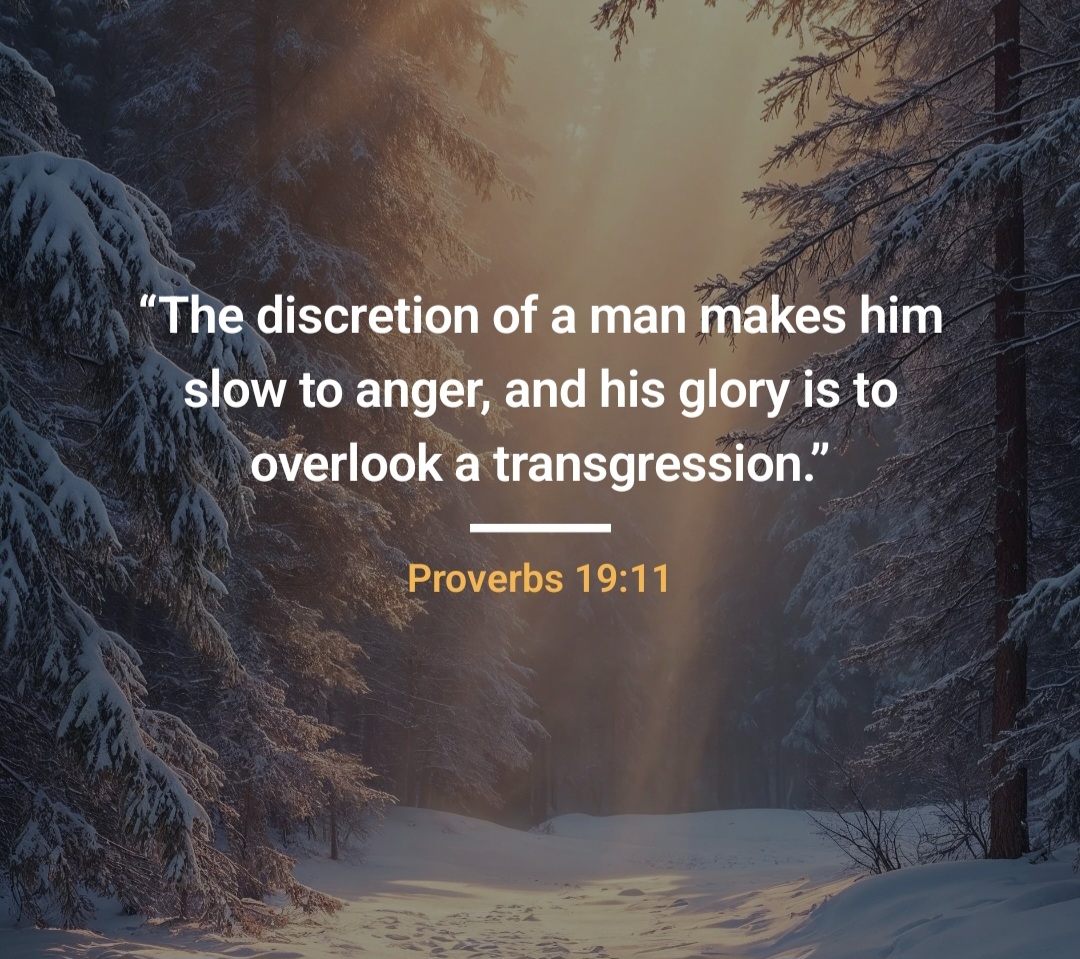
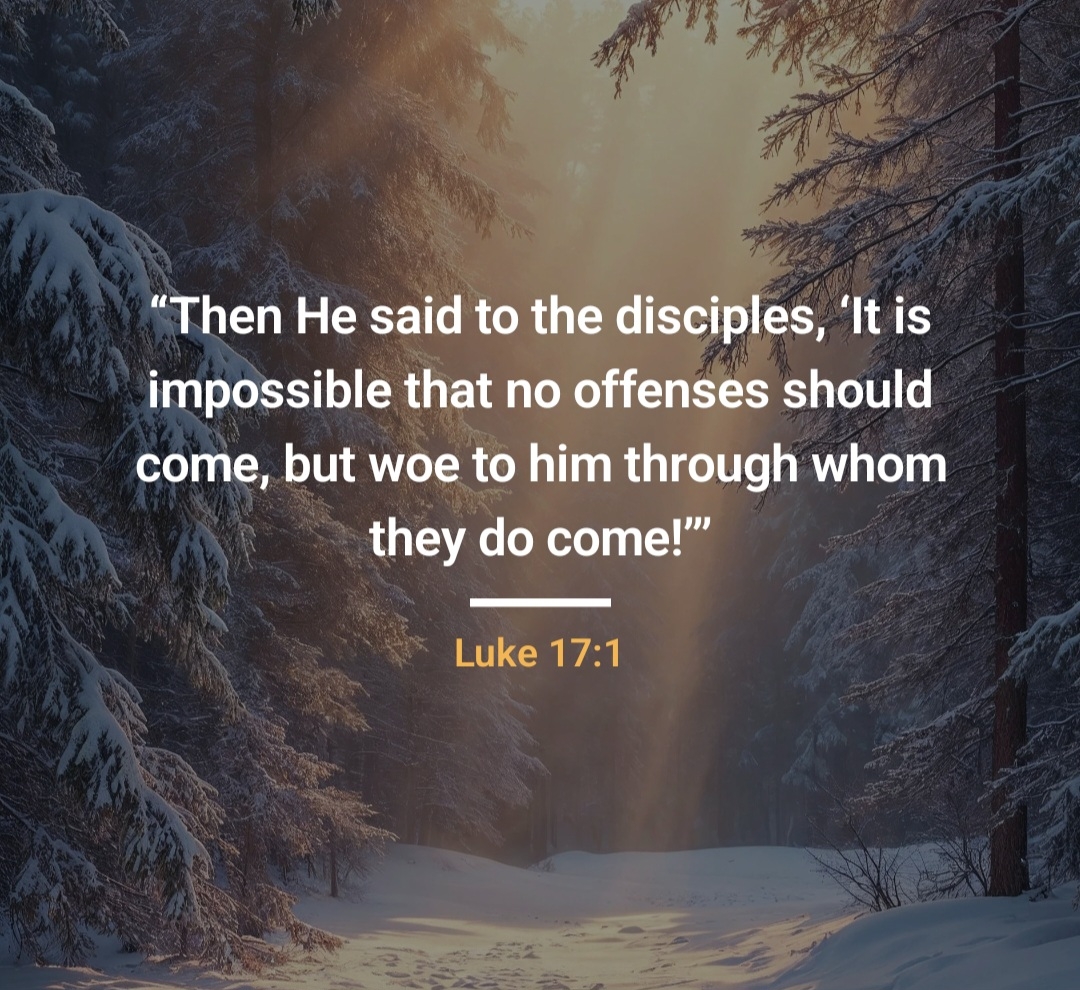
Offense is more than hurt feelings - it is a snare that traps the heart. The Greek word Jesus used in Luke 17:1, skandalon, originally referred to the bait stick of a trap used to catch animals. When we take offense, we take the bait. We get caught in resentment, bitterness, and division. Jesus made it clear: offenses will inevitably come. The real issue is not whether we’ll encounter them, but whether we’ll allow them to imprison us. Psychology helps us understand why offense feels so powerful. Human beings are wired for connection, belonging, and respect. When someone ignores us, disrespects us, or breaks a promise, it can trigger a deep sense of rejection. Neuroscience shows that social rejection activates the same regions of the brain as physical pain. That explains why words can hurt just as much as a physical wound - our brain literally experiences it as pain. This is why offense feels so destabilizing. It shakes our sense of safety, value, and identity. But Proverbs reminds us that “the discretion of a man makes him slow to anger, and his glory is to overlook a transgression.” Discretion means discernment, the ability to pause and reflect before reacting. Overlooking an offense is not denying pain - it is choosing to rise above it, to refuse to let it dominate our hearts. In practical terms, this is where emotion becomes “data, not destiny.” Our emotions are signals - clues about what we value and what we need. When you feel offended, your brain is saying: something you care about feels threatened. Maybe it’s respect, maybe it’s security, maybe it’s affirmation. Instead of letting the offense dictate your reaction, you can pause and ask: What need is this pointing to? Am I really angry at this person, or am I hurting because I feel unseen, unsafe, or undervalued? Thank you for reading. God bless ✝️🕊🙌🙏🙌🕊✝️
4 days ago
write a comment...