
1/2
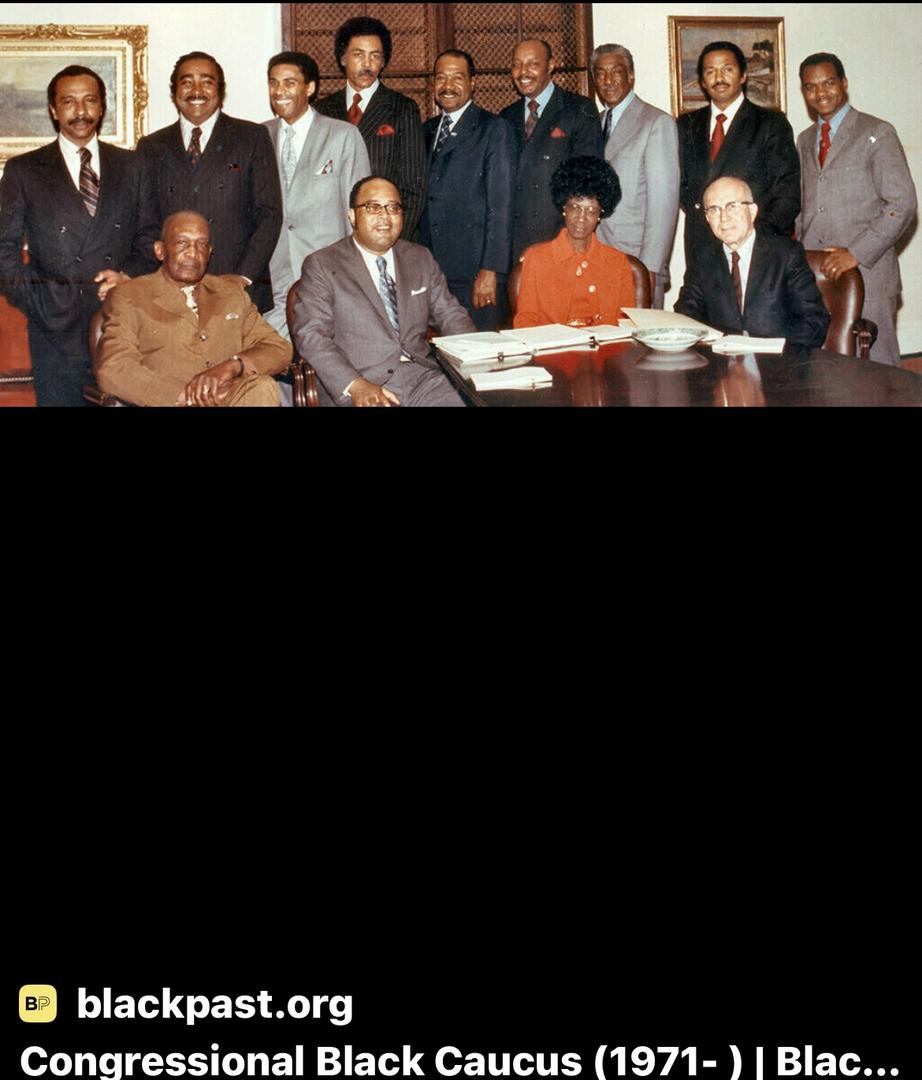

Power in Congress is rarely announced. It is built quietly, in rooms where strategy matters more than speeches. By the end of 1971, the Congressional Black Caucus was moving through that exact phase, shifting from a newly formed presence into a coordinated political force that understood how to apply pressure inside a system not built for it. Established earlier that year, the caucus entered Congress during a time when civil rights laws existed on paper but inequality remained deeply rooted in daily life. Policing practices, housing barriers, economic exclusion, and unequal access to federal resources continued to shape outcomes nationwide. Early CBC members recognized that representation without leverage would not produce meaningful change. Visibility alone was not enough. As the year closed, caucus members began consolidating their influence. They aligned around shared priorities, coordinated messaging, and challenged both major political parties to move beyond symbolism. They questioned federal spending patterns that routinely bypassed urban communities. They raised concerns about aggressive policing and government surveillance. They pushed for economic policies focused on opportunity rather than containment. This was not a headline driven moment. It was about structure, discipline, and learning how to function as a bloc. Resistance inside Congress was immediate. Members were sidelined from powerful committees and often reduced to a narrow set of issues despite their broader legislative expertise. That marginalization reinforced the caucus’s purpose. Acting collectively created political weight individual lawmakers could not achieve alone. December 1971 reflects this consolidation phase. The Congressional Black Caucus was no longer defining itself. It was asserting itself. The groundwork laid during this period would shape decades of advocacy around voting rights, criminal justice reform, economic equity, and federal accountability. #OnThisDay #December13
2025-12-15
write a comment...