1/1

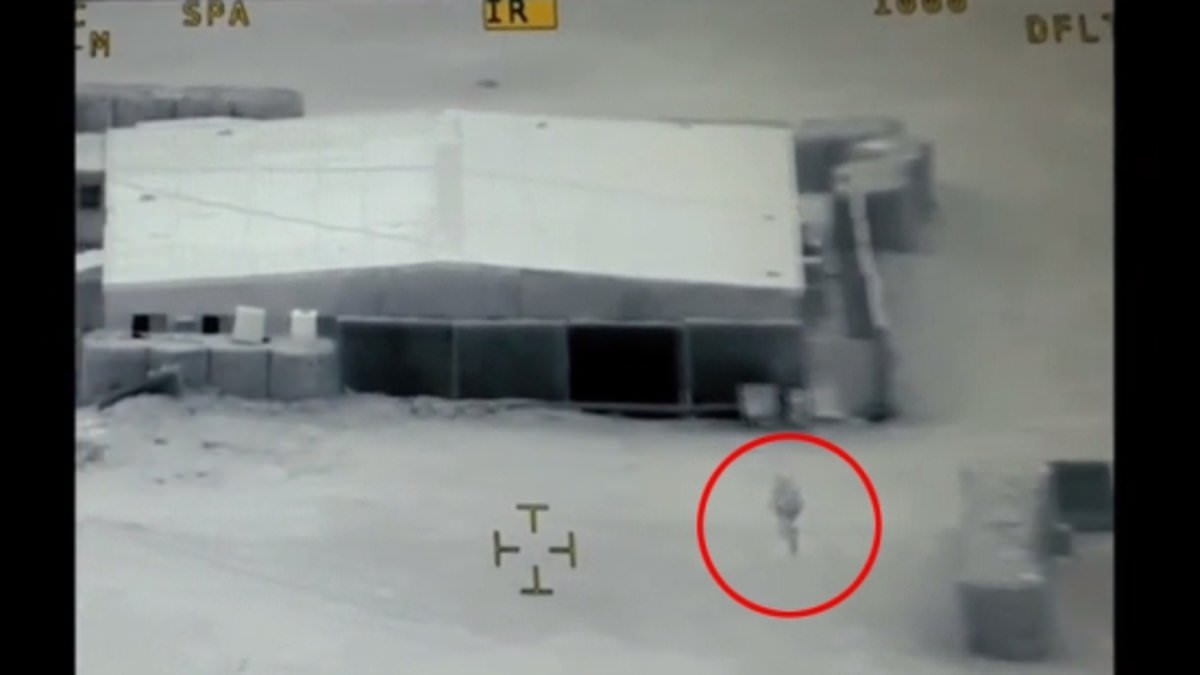
The Iraq Jellyfish UAP: Scientific Analysis – What Is This Object? A widely circulated infrared video recorded near Al Taqaddum Air Base in Iraq shows a dark, rounded aerial object with multiple trailing appendages hovering above a U.S. installation. The footage was captured by a forward looking infrared FLIR sensor, which detects thermal contrast rather than visible light, mounted on a tethered aerostat, a balloon based surveillance platform operating at about 1,000 feet. The roughly 17 minute video shows no visible propulsion, and the object appears to maintain altitude despite variable wind conditions. U.S. Marines reported visual contact. One described it as “hovering there, completely silent,” unlike known aircraft. Another said the appendages “didn’t move like a helicopter or drone” and appeared “almost alive,” increasing uncertainty because the object did not match familiar profiles. Analysis centered on sensor physics and atmospheric effects. FLIR systems display temperature differences rather than physical structure, so uneven heating can create apparent appendages or motion. Image stabilization can exaggerate minor drift, making thin or flexible materials appear animated. Wind shear, turbulence, and thermal inversion layers further distort shape and movement. Temperature differences under one degree Celsius can produce pronounced infrared artifacts. The All-Domain Anomaly Resolution Office (AARO), reviewed similar Middle East footage and concluded with about 95 percent confidence that the objects were balloon clusters, based on full motion video analysis, pixel tracking, sensor calibration, and wind modeling. As a government entity, AARO’s conclusions also carry inherent plausible deniability regarding an actual UAP government program. With that in mind, do you believe AARO’s conclusion that these were balloons? #UFO #UnexplainedPhenomena #Science #Mystery #Physics #Military #Defense
2025-12-16

mudcat
might be bidens fart
12-17
Reply(3)
3

EcoBoost.
drone with mesh camouflage blanket on it 👍
12-17
Turnersville, NJ
Reply(2)
2

MitVal
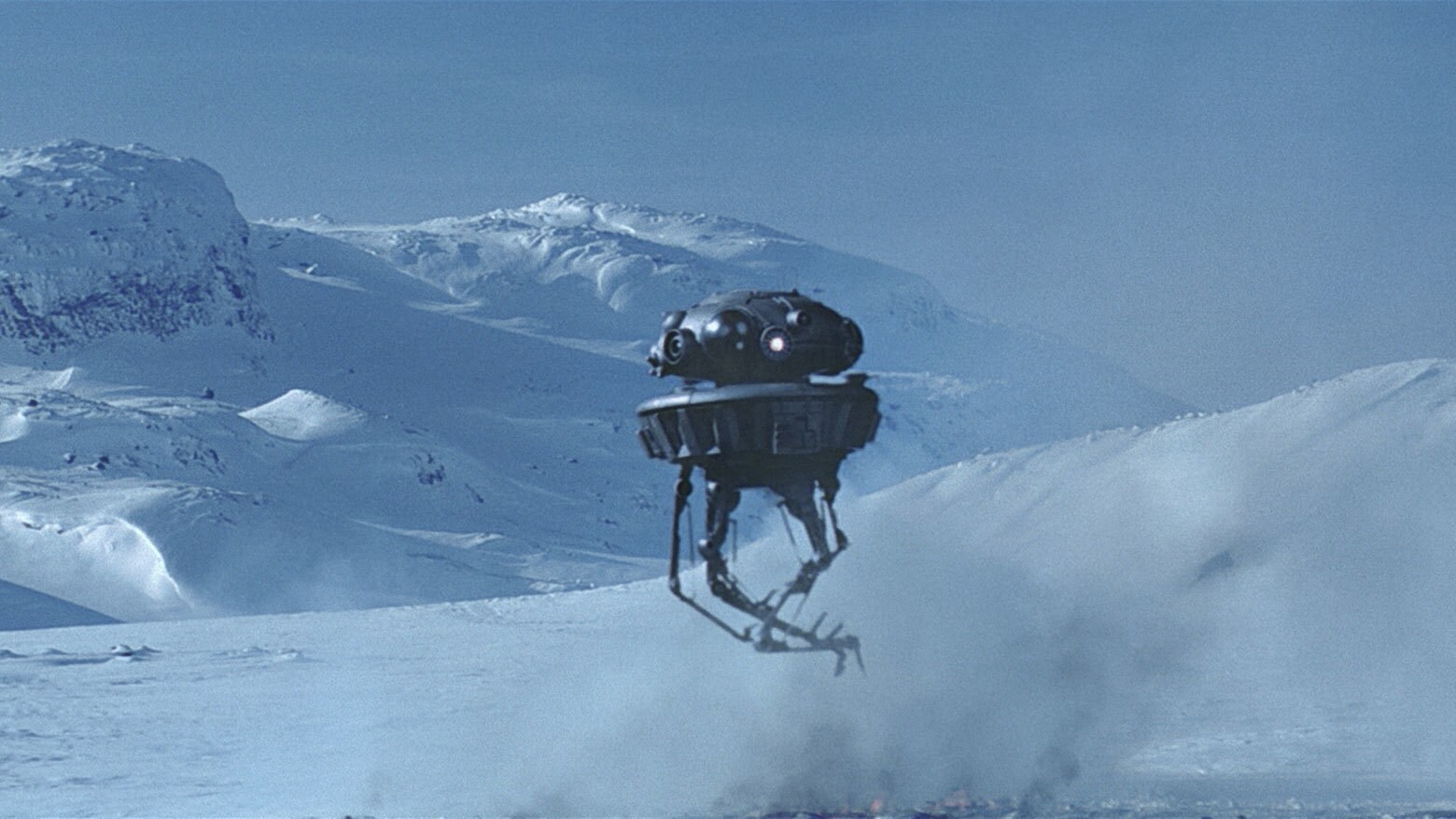
Obviously, an Imperial probe droid
12-17
Reply
3

moose
LOL balloon 🎈!
12-17
Reply
2
Eric Brian Rossi
I saw a jelly fish type of anomaly a couple of months ago near the foothills of Denver. No guess as to what it was and I’m sure I’ll never know. There were a couple of extremely bright flashes as it ascended. Everything else around was completely dark. That’s the first time I’ve ever seen anything that I couldn’t explain in my life.
12-17
Thornton, CO
Reply

Everett Max Owen
Somebody standing there
12-18
Garden City, KS
Reply
More comments ...
write a comment...