1/1

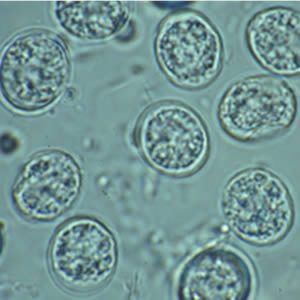
Toxoplasma Gondii: The Mind Altering Parasite Found in 1 out of 3 Humans Toxoplasma gondii is a microscopic parasite found in cats and many warm-blooded animals. Globally, 30 to 50 percent of people are infected; in the United States, about 11 percent of people over age six carry it. Most are unaware, as infection often causes no immediate symptoms. When present, mild fever, swollen lymph nodes, muscle aches, or fatigue can occur. Severe cases, especially in immunocompromised individuals or during pregnancy, may cause vision loss, brain inflammation, or congenital infection. The parasite has a complex life cycle. Cats are the definitive hosts, shedding oocysts in feces. Intermediate hosts, including rodents, birds, and humans, ingest these oocysts through contaminated soil, water, or food. In hosts, Toxoplasma forms tissue cysts in muscles and the brain, remaining dormant for years. In rodents, brain cysts remove fear of cat urine in a “fatal attraction” loop, boosting transmission to cats. Humans do not experience the same extreme fear loss, but studies show subtle behavioral changes: increased impulsivity, risk-taking, altered personality traits, and even a mild increased affinity for cats. Infection is also linked to a two- to three-fold higher risk of suicidal behavior. Humans acquire the parasite through contaminated cat feces, undercooked meat, or unwashed produce. The term “crazy cat lady,” coined in 1980s–1990s U.S. media, exaggerated this risk but reflects the cultural association. Testing is done via blood tests for antibodies, recommended for pregnant individuals, immunocompromised patients, or those with unexplained neurological symptoms. Treatment with pyrimethamine, sulfadiazine, and folinic acid can reduce parasite activity, though dormant brain cysts are difficult to eliminate. Toxoplasma gondii demonstrates how a tiny parasite can influence brain chemistry, behavior, and risk patterns in humans and animals alike. #Parasite #ScienceNews #Science
2025-12-19

Rhonda Morrow
I was born with toxoplasmosis. it took my sight in my left eye and peripheral in my right
12-20
Waycross, GA
Reply(7)
2

Michael Harrison
Could be why so many trans know
12-20
Gig Harbor, WA
Reply(1)
4

bell4595
As my kitten just walked across my chest and put his butt in my face…great
12-20
Reply
5

Morgan
is that what got ahold of RFk jr's brain?
12-20
Centralia, WA
Reply(1)
1

james bowen
the cat n mouse disease.
12-21
Yakima, WA
Reply
1
More comments ...
write a comment...