1/1

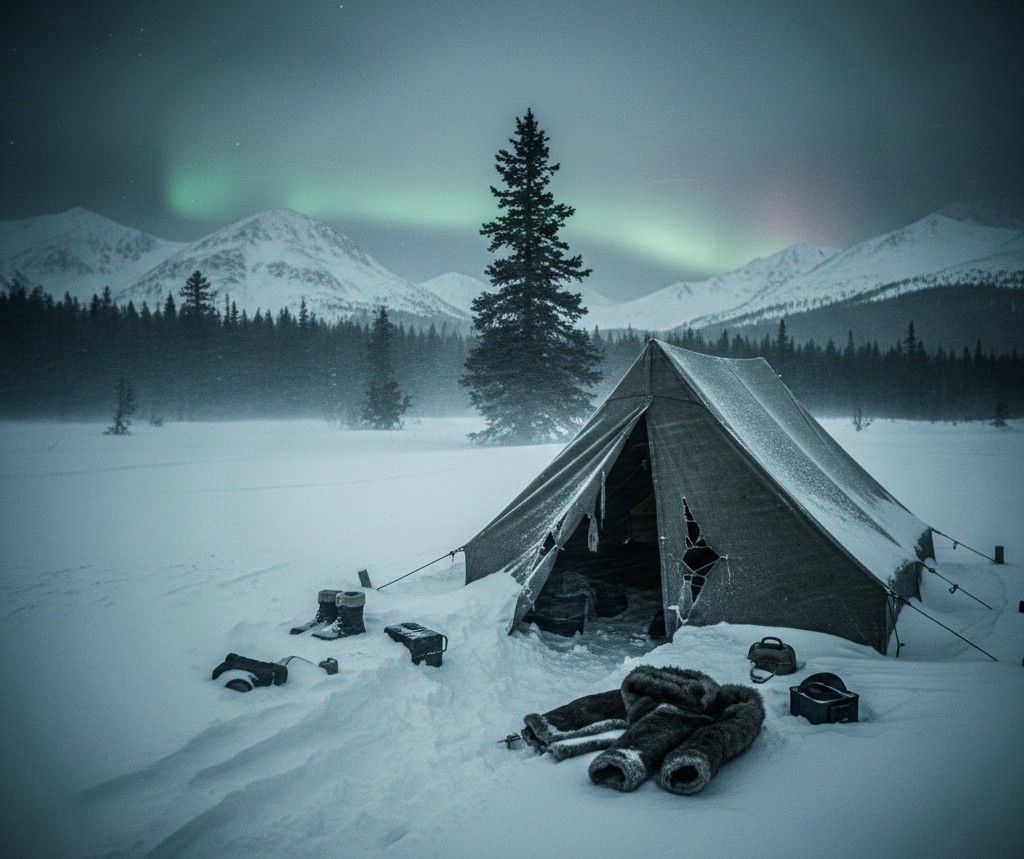
Dyatlov Pass — A Scream Buried in the Snow On a freezing night in February 1959, nine young hikers pitched their tent deep in the northern Ural Mountains of Russia. They were not amateurs. Each member of the group was experienced, physically strong, and trained to survive harsh winter expeditions. Nothing in their plans suggested danger. By the next morning, all nine were dead. When search teams finally reached the campsite days later, confusion turned into horror. The tent was still standing, yet its side had been sliced open from the inside. Boots, coats, and supplies were left behind, neatly arranged as if time had stopped. Barefoot footprints led away from the tent toward the forest, fading into the snow, as though panic had turned into weakness. The first bodies were found beneath a tall cedar tree. Their hands were raw and broken, as if they had tried to climb it in desperation. Others were discovered farther away, collapsed as though trying to return to the tent. Weeks later, the remaining bodies were uncovered under meters of ice and snow—and the mystery deepened. The injuries were terrifying and unnatural. One hiker suffered massive internal chest trauma with no external wounds. Another had a skull crushed by extreme force. A young woman’s tongue and soft tissue were missing. There were no signs of a fight, no evidence of another group, no clear explanation. Even more disturbing, some clothing showed traces of abnormal radiation. The case was quietly closed, labeled as the result of an “unknown compelling force.” Yet the question refuses to die: what could frighten skilled hikers enough to flee into a lethal blizzard without protection? An avalanche? A secret military experiment? Infrasound twisting the human mind? Or something unseen, waiting in the dark? To this day, Dyatlov Pass remains silent but watchful. When the wind screams through the mountains, many believe it carries the final terror of nine lives erased in a single, impossible night.
2025-12-28

WildBrit777 Cymru
something ripped that girls tounge out while she was alive..... they found blood in the stomach.... several looked like they had been in crushed internally.......I say KILLER YETI. the mansi warned them not to ignore boundaries.
12-29
Farmington, NH
Reply
3

Nmp
Since I first read about this I’ve been fascinated. It is a heartbreaking and deeply disturbing mystery.
12-29
Surprise, AZ
Reply
3

Kay Barrett
I have watched TV documentaries and read about it. so many questions that will never have questions. avalanche, and...
12-29
Tigerton, WI
Reply
2
Steven Johnston
I havecread about this a number ofctimes. The first thing I wonder about this story is how much of it is true? Someone's imagination can make them twist the reality of what was found.
12-30
Martinez, CA
Reply
1

Thomas Hays
Definitely monsters in that mountain
02-01
Dallas, TX
Reply
1
More comments ...
write a comment...