1/3
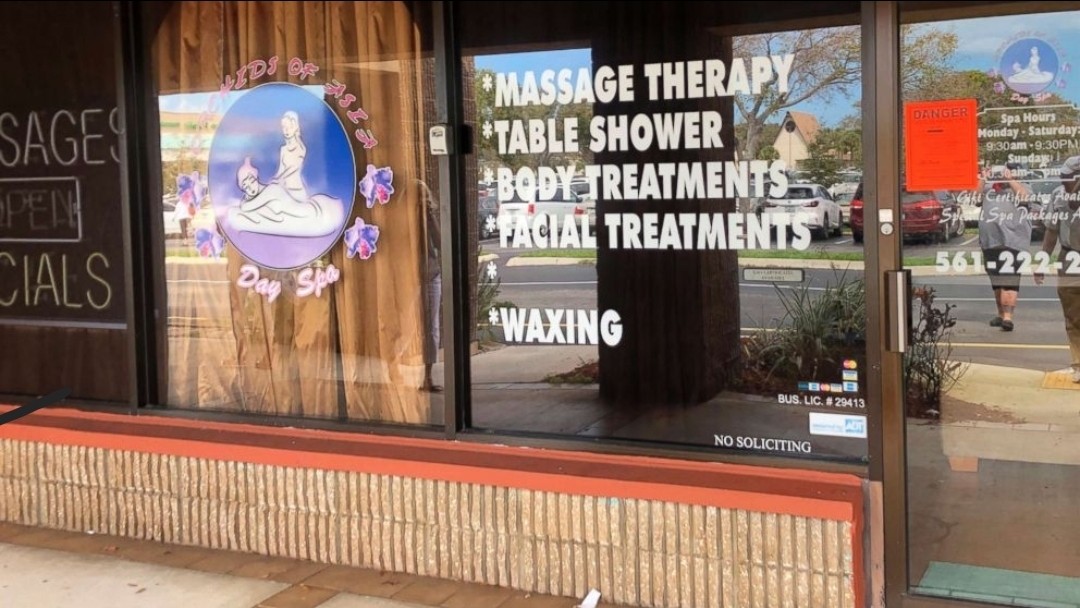
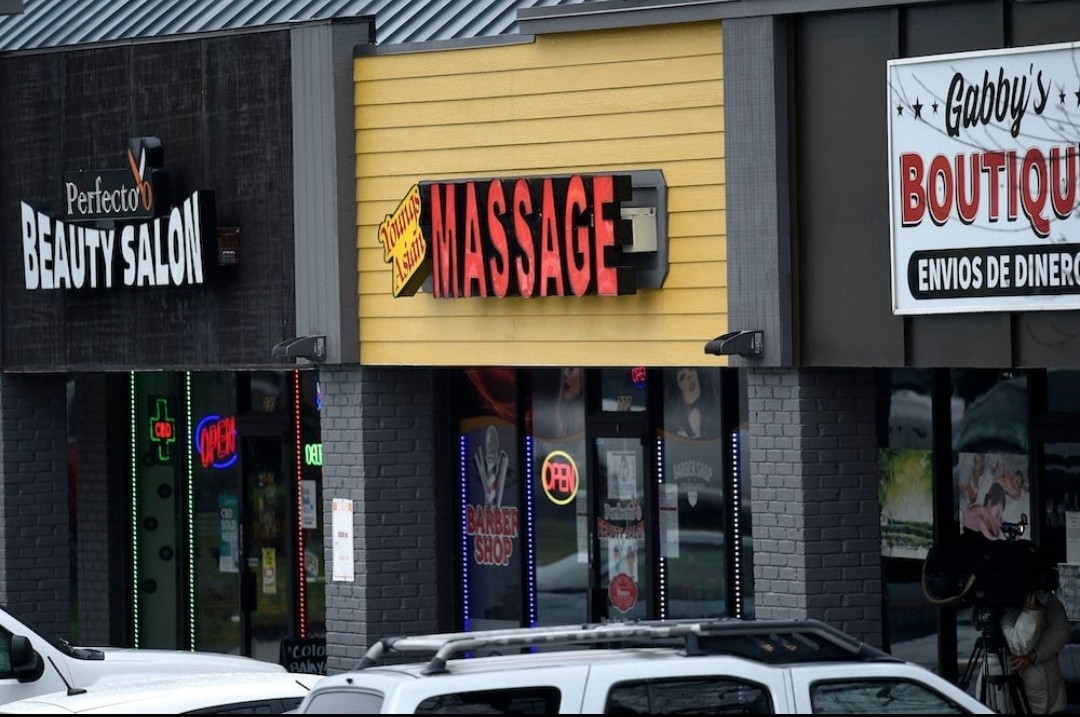

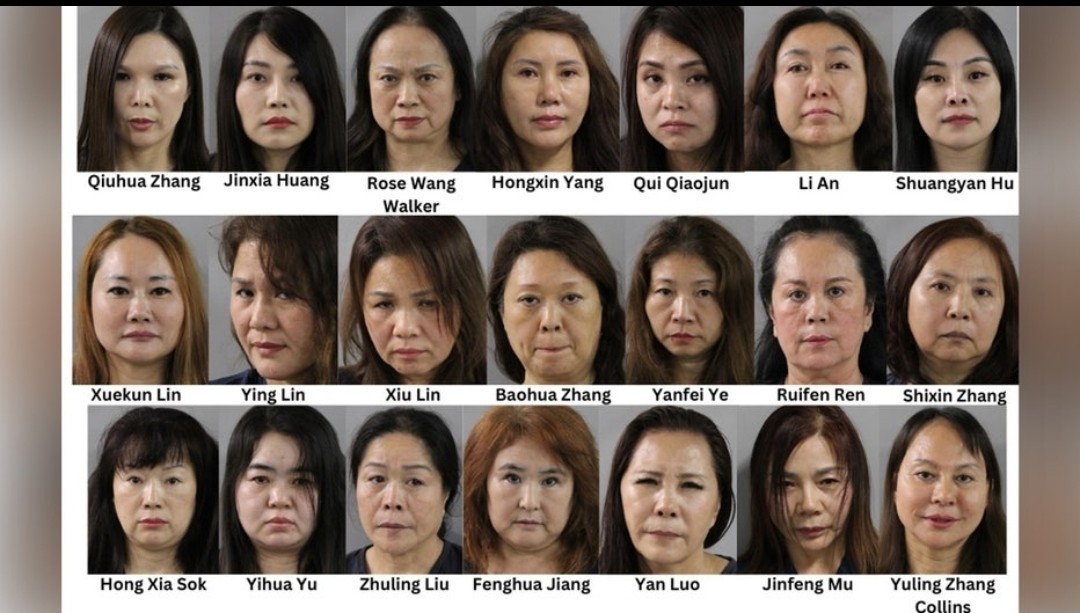
Why Organized Prostitution Networks Continue Operating Across U.S. Cities United States — Despite repeated complaints and public awareness, organized prostitution and human-trafficking operations continue to operate openly in many American cities, often behind the façade of licensed massage parlors. Law-enforcement officials and court records show that these operations persist not because they are legal, but because enforcement is fragmented, penalties are weak, and responsibility is routinely shifted between agencies. A Networked Crime Model Authorities describe many of these businesses as part of organized criminal networks, using layered ownership, shell companies, and leased commercial properties to shield operators from prosecution. Workers are frequently identified as trafficking victims, coerced through debt, threats, or immigration pressure. Why Enforcement Breaks Down Several systemic factors contribute to the problem: Local vs. Federal Divide: Prostitution enforcement is typically handled by local police, while trafficking cases require state or federal resources. Many investigations stall when agencies disagree on jurisdiction. Regulatory Treatment: Cities often classify violations as licensing or code issues, resulting in fines or temporary closures rather than criminal prosecutions. Victim Vulnerability: Fear of retaliation or deportation often prevents victims from cooperating, weakening cases against organizers. Economic Incentives: Licensing fees, fines, and property taxes create financial incentives for municipalities to regulate rather than dismantle repeat offenders. Uneven Enforcement Street-level prostitution is aggressively policed, while indoor, organized operations tied to real estate and business licensing often reopen after minor penalties. Property owners and financial backers are rarely charged, allowing networks to continue operating with minimal disruption.
2025-12-31

LDG
That’s where republicans spend there time instead of did with their wives
12-31
Phoenix, AZ
Reply(160)
133

Dryhump
Trumps probably got stock in this or i could be wrong none of them are 13!

01-09
Benicia, CA
Reply(52)
52

d bro
Ive never used a prostitute but have a question. Why does it matter if the participants are all of age? It’s just a profession that they have to live with and choice the buyer has to live with. 🤷♂️
01-03
Chantilly, VA
Reply(62)
38

Alabama Worley
This is heartbreaking. Look at the sadness in some of their faces. What makes it worst is that instead of people agreeing as to how horrible this is for this poor women you instead argue as to what party is at fault and defend your own party. What has happened to us as society to not give a crap about human beings?
01-04
Reply(8)
31

tina
What goes on between consenting adults is their business
01-02
Sparks, NV
Reply(9)
24

Donald Green
Trump has never ever been with any underaged woman. This is a freaking lie. I know people who know Trump personally . Trump is saving our country if it can be saved but honestly it’s too late…So stop running down my president
01-21
Brunswick, GA
Reply(13)
19

Robert Caruolo
The oldest profession since the beginning of time
01-05
Reply(10)
18

witchen gretmer
Good Grief. The “Lee” sisters. “Home Lee”, Ugh Lee” and “Gnar Lee”

01-17
Grand Rapids, MI
Reply(6)
20

Robert Hubbard
they exist because men don't think with the head on their shoulders.
12-31
Beckley, WV
Reply(7)
17

ISeeDumbSheeple
prostitution needs to be 100% legalized
01-05
Bloomington, IL
Reply(3)
17
More comments ...
write a comment...