1/1

I want to be very clear about where I stand, because the casual use of words like “Nazi” and “Gestapo” has crossed a line. I am the daughter of an immigrant who never became a U.S. citizen. I support immigration enforcement when it comes to removing criminal offenders. At the same time, I firmly oppose targeting law‑abiding people who came here to work, raise families, and build better lives. Both positions can coexist, and they should. What I cannot accept is the reckless and historically ignorant use of Nazi and Gestapo comparisons every time someone disagrees with an article, a policy, or a headline. My family is Sinti. My mother’s family and my grandparents were persecuted under the Nazi regime. Members of my family were imprisoned in concentration camps and murdered. The Nazis attempted to erase my people from existence. This is not an abstract comparison for me—it is lived history and documented fact. So when I am called a “Nazi” simply for asking people to question inflammatory headlines, verify sources, or distinguish reporting from opinion, it is not just wrong—it is outrageous and deeply offensive. Asking for factual accuracy and due diligence is not extremism. It is responsible citizenship. Using Holocaust language as a political insult trivializes real atrocities and silences meaningful discussion. It replaces facts with emotion and shuts down dialogue rather than advancing it. If there are abuses by government agencies, they should be examined and addressed based on verified evidence, constitutional standards, and the rule of law—not through historically false analogies or personal attacks. My family was killed by Nazis. Why anyone would think I would support them—or use their crimes as a rhetorical weapon—is beyond comprehension. We can demand accountability, defend civil liberties, and still respect history. Those things are not mutually exclusive.
2026-01-14

Robertohhh
if your illegally in the US, you have no rights under the constitution and you have broken the law by coming here , end of story , I dont care how hard you work , go back to your own country and wait on line to come back documented, key word documented ...
01-14
Freehold, NJ
Reply(34)
36

Derpy
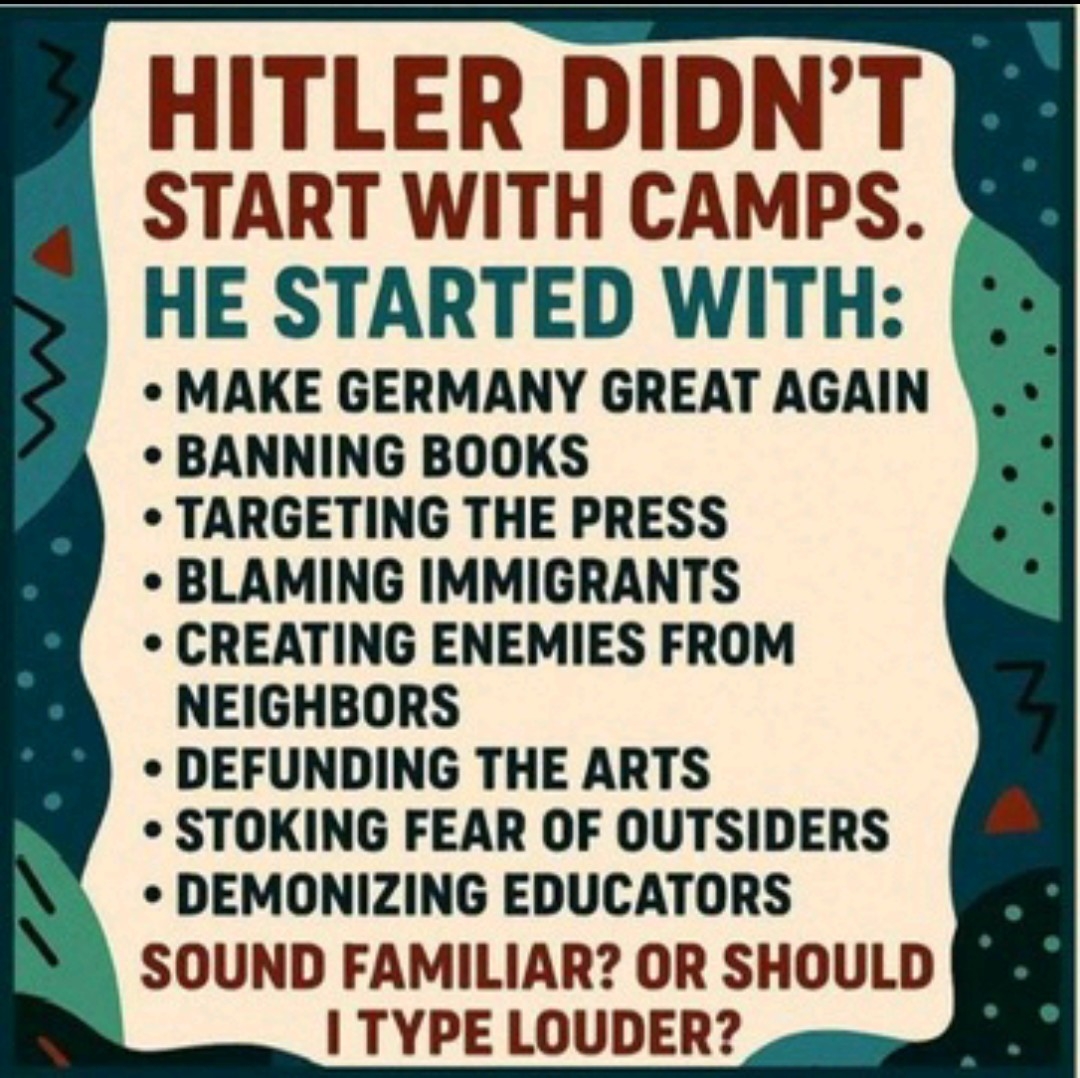
01-15
Reply(21)
34

a klemmer
if the shoe fits. it is yours And a rose by any other name is still a rose. iCE is Nazi
01-14
Saint petersburg, FL
Reply
22

Eagle Vision
Don’t do or support nazi idealism and propaganda and the correlation will never exist. Nazis didn’t start with extremism, they ramped up to it after their propaganda campaign developed enough of a blind following using the anti immigration rhetoric that you support and promote.
01-14
Nashville, TN
Reply(1)
14

Sarah Jackson
My father fought against the Nazis, I DO NOT USE THIS TERM LIGHTLY!!!
01-14
San Diego, CA
Reply(1)
9

Dawg
That "LINE" needs to be crossed! MASSIVELY! So that the rest of the world never forgets the treatment that was delt out by the NAZI GESTAPO SS, which appears to be happening al, over again here in America!!!
01-16
Lakewood, WA
Reply(4)
5

hydrant man
Great job in explaining this touchy issue.
01-14
Orinda, CA
Reply(1)
7

Marlyn Drummer
THANK YOU FOR STANDING UP FOR YOUR BELIEFS STAY STRONG AGAINST THESE WORDS OR REFERENCES TO A PART OF HISTORY THAT SHOULD NEVER HAPPENED 👍
01-15
Dover, OH
Reply(2)
6

David Sawyer
That’s because the left do not have policies .of good one!!! So they can’t argue with you.. so they all you names … this party has become so pathetic over the years.. they are a disgrace & they Hate everything America
01-15
Reply(4)
4

William
So enjoyed your extensive comment. Unfortunately hate drives some folks incessantly to distraction from reality. Plainly said. they hate the POTUS...
01-14
Nevada City, CA
Reply(2)
4
More comments ...
write a comment...