1/1

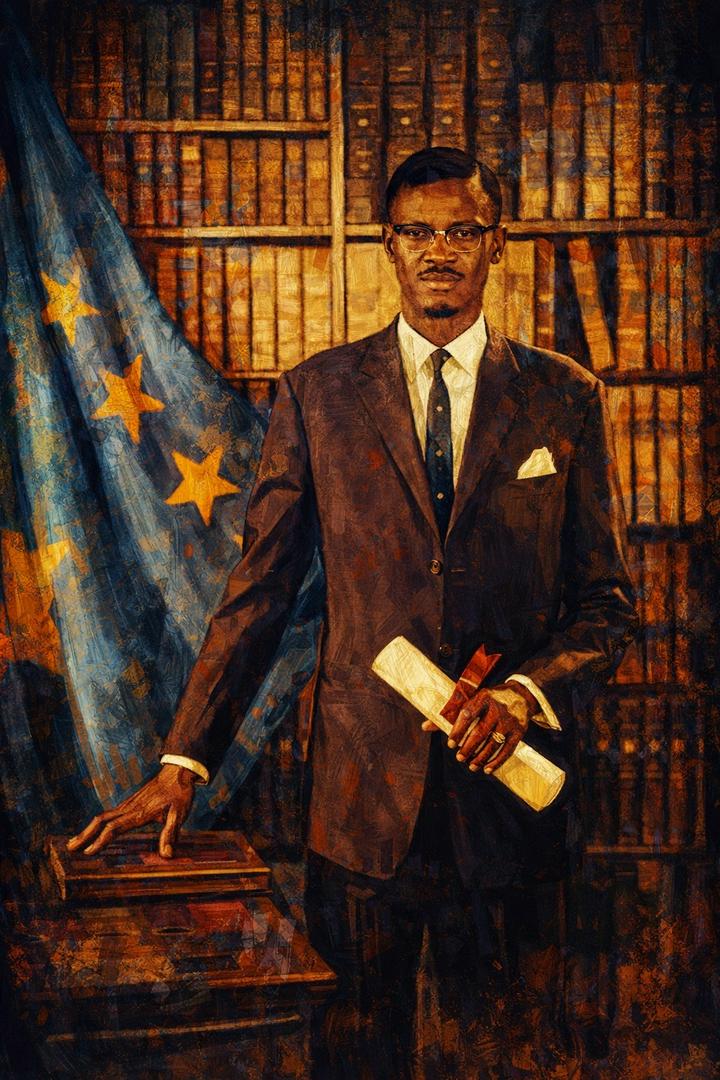
January 17, 1961 became an American moment even though it began elsewhere. That was the day confirmation spread that Patrice Lumumba, the first democratically elected prime minister of the Congo, had been assassinated. What sounded like distant foreign news quickly felt personal. Lumumba was 35 years old. Rising from modest beginnings, he led the Congo out of Belgian colonial rule in 1960 and argued that independence had to mean real sovereignty… control of resources, political dignity, and self-determination. That clarity made him popular with the people and dangerous to powerful interests during the Cold War. Within months, he was removed from office amid instability shaped by foreign interference. He was arrested, transferred between rival factions, and executed on January 17, 1961. Western governments denied responsibility at the time, but later investigations confirmed Belgian involvement and U.S. complicity. His body was destroyed in an attempt to erase the crime. It failed. In the United States, Black newspapers covered his death with urgency. Student groups organized discussions and protests. Churches spoke about it from the pulpit, linking events in Africa to injustice at home. Global politics stopped feeling abstract. Lumumba became a symbol not because he sought martyrdom, but because he refused to soften his message. His assassination clarified how quickly self-determination could be crushed when it threatened power. January 17, 1961 marked a moment when the global fight for independence collided with local reality… and many people recognized the pattern. #PatriceLumumba #January17 #1961
2026-01-18

Aeisha Jones
🙏🏼 today’s episode is Venezuela, Haiti, African unity
01-19
Sacramento, CA
Reply

Free Spirit
Of course, America had a hand in it
01-21
Duluth, MN
Reply
More comments ...
write a comment...