1/1
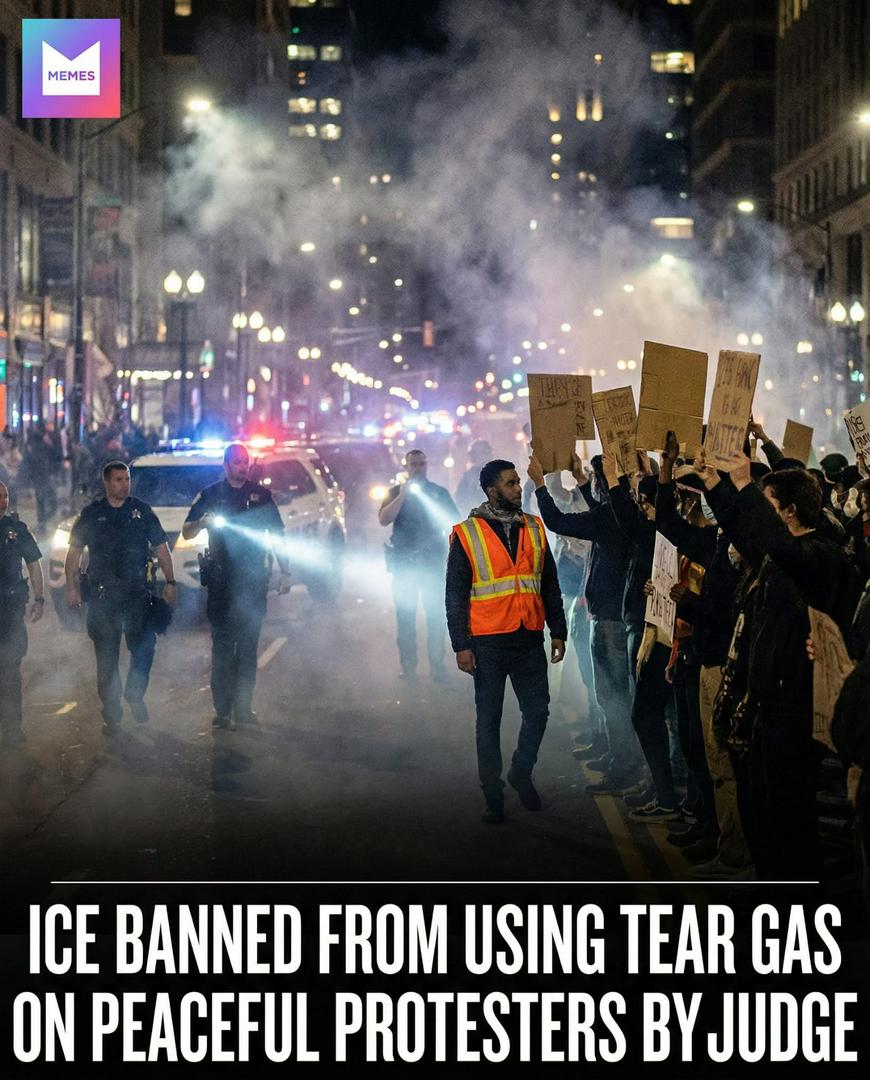
Ice is banned from using tear gas, sad that it took teargassing a baby to stop it , Why Do Police Use Tear Gas When It Was Banned in War? - JSTOR Daily How Tear Gas Became a Staple of American Law Enforcement - JSTOR Daily What Is Tear Gas, And Why Is It Used on Civilians But Banned in ... A Brief History of Chemical War | Science History Institute Tear gas is banned in war, but police can use it on crowds at home ... View all Tear gas wasn't banned after WWII; instead, the use of chemical weapons, including tear gas, in international warfare was prohibited by the 1925 Geneva Protocol, which was created in response to the horrors of World War I, though the U.S. initially reserved exceptions for law enforcement and riot control. This protocol banned "asphyxiating, poisonous or other gases" and bacteriological methods, but its interpretation evolved, with the U.S. eventually ratifying it fully in 1975 after decades of debate over tear gas's use in Vietnam. Key Points: WWI Origin: Tear gas, along with lethal gases like chlorine and mustard gas, was first widely used in World War I, prompting calls for bans. 1925 Geneva Protocol: This treaty outlawed the use (not production or stockpiling) of chemical and biological weapons in international conflicts, stemming from post-WWI efforts. US Stance & Exceptions: The U.S. initially didn't ratify it, arguing tear gas wasn't a lethal chemical weapon and using it in Vietnam, but later ratified it with exceptions for riot control. Modern Distinction: Today, tear gas is banned in warfare but permitted for domestic law enforcement for crowd control, a distinction debated globally
2026-01-18

Guess Who
why would you take your baby to a riot or a protest. thats just bad parenting. next they will ban police from using guns. how are they supposed to restore order and protect themselves
01-18
Reply(52)
49
No King in America Ever
And this thing is causing it all , greed!
01-18
Reply(28)
15

Major
It takes a special kind of stupidity to take a child to protests that have proven to be anything but peaceful.
01-18
Muncie, IN
Reply(12)
24
Tom smith
Democrats are now stabbing and trying to kill innocent people in minnesota
01-18
New Berlin, WI
Reply(12)
24

Nancy
Bad parents bring children to protests!
Child abuse.
01-18
Newark, OH
Reply(1)
24

Old Man Rivers
liberals have ruined this country
01-18
Ridgeway, CT
Reply(1)
19

JC Landon
Sad someone would bring a baby to a riot. That’s like Hamas using human shields.
01-18
Elberta, AL
Reply(3)
11

Robert Hubbard
they are banned from using tear gas on any peaceful protesters. on the riotors it's open season. as it should be.
01-18
Beckley, WV
Reply(5)
7
Dr.Hugo Z Hackenbush
Sad, ICE wouldn’t even be on the streets if Biden didn’t allow millions of illegals , rapists ,sex traffickers and drug dealers into our country ..
01-19
Reply(1)
9

Gilby
Tear gas is an effective crowd control agent. The reasoning it isn't used in war is because the retaliation might think it's a chemical weapon (like mustard gas), and use a chemical weapon in return causing a catastrophic spiral of events
02-11
Reply(8)
3
More comments ...
write a comment...