1/1

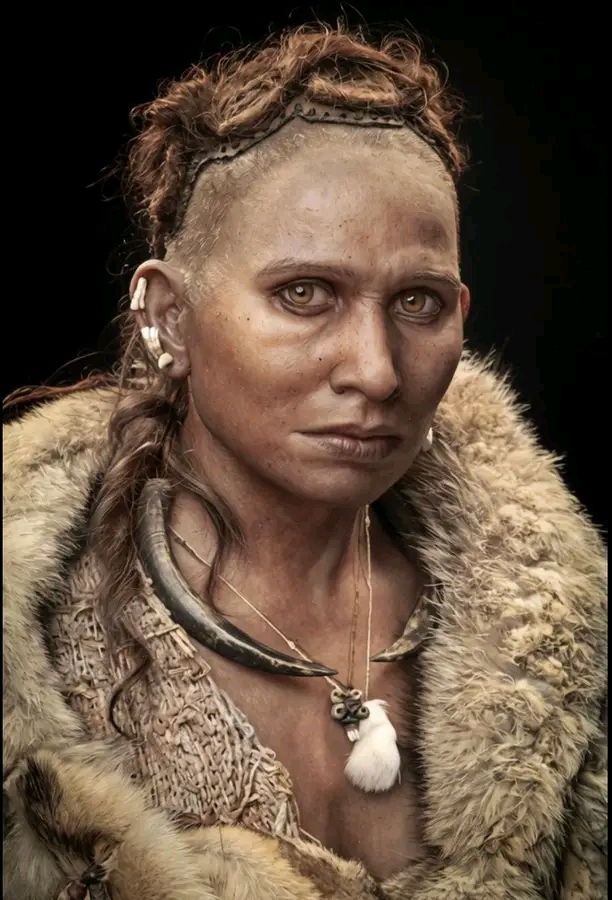
We didn’t just misjudge them— we erased them, reshaping an entire species into a myth that never truly existed. Now the science is clear: the real Neanderthals were nothing like the caricatures in our old textbooks. They were imagined as brutes for more than a century— stooped, simple, violent, and doomed. But every discovery of the last few decades has revealed a different truth: Neanderthals were deeply, profoundly human. They thrived for more than 300,000 years, far longer than our own species has existed so far. They survived shifting climates, hunted enormous Ice Age animals, controlled fire with expertise, and lived in some of the harshest environments on Earth. They were strong—yes— but they were also subtle. Neanderthal hands shaped tools with astonishing finesse. They tanned hides into warm clothing. They made birch-tar adhesive, one of the earliest synthetic materials ever created. They engineered shelters, managed fire, and adapted to landscapes that would break most modern people. And they cared. Their skeletons show individuals who lived for years with severe injuries and disabilities—people who could only have survived because others fed them, protected them, and refused to abandon them. Compassion wasn’t rare for Neanderthals. It was a way of life. They also created beauty. They gathered crystals and pigments. They wore necklaces made from eagle talons. They used feathers for decoration. They painted Spanish caves tens of thousands of years before Homo sapiens arrived in Europe. They buried their dead with care and ritual, leaving behind traces of meaning long before cities or temples existed. Then they met us. When Homo sapiens arrived in Europe and western Asia, the two groups didn’t simply fight. They mixed. They traded tools, ideas, and—most importantly—genes. Almost every person outside Africa today carries 1–2% Neanderthal DNA. Their legacy is in our skin, our hair, our immune system, even our sleep cycles. They did not disappear i
2026-01-23

lol
They sound just like the damn violent evil Democrats
01-28
Bunnell, FL
Reply(94)
22

Wakashi Tanto (Haiku)
How did the comments turn into democrat vs Republican when the topic of the post has nothing to do with political parties? Do y'all see a recurring theme in the comments? Everything ain't about the side of government you side with.
01-30
Killeen, TX
Reply(7)
32

Wanda Srader
God was sorry He made mankind because they had become so wicked, so He destroyed all but 8 with the flood! That cleansed the world temporarily but it didn’t take long for sin to gain a foothold once again. Now here we are approximately 6,000 years after the flood and this world is so vile, we are due for another cleansing, this time with fire. Whether you believe in God or anything else relating to Christianity, I suggest you start questioning and looking for truth! Asbestos suits won’t protect you! There are so many unsaved in the world and my heart goes out to them! I can only tell the truth and pray for them but it’s up to God and He already gave His most precious gift/ His son! There is nothing more to be given for Salvation!! Just accept Salvation, the time is short!!
01-28
Ringwood, OK
Reply(16)
23

Larry Knight
What you are seeing is the great scramble to erase the out of Africa history, and the fact that humankind originated in Africa. Neanderthal are extinct because they were not strong nor smart enough to survive the challenges of the environment.
01-27
Baton Rouge, LA
Reply(12)
15

Cyndi 🎵 🐿️
When I was growing up, we were taught that only Homo Sapiens survived. With the development of DNA testing, we learned that Neanderthals are still with us!
01-25
Midlothian, VA
Reply(2)
19

Csonka73
unfortunately we never see them as equals just like we did with the indigenous people, the media at the time portrayed them as crude uneducated savages, print that day after day and no wonder they shoot and never ask any questions 🙏
01-24
Cape May Point, NJ
Reply(10)
13

James Bennett
My DNA exceeded 3% and there are so many traits…protruding forehead, joints that don’t move like humans, inconsistent hair growth on the body. So, I own it! Neanderthal I am!
01-25
Spokane, WA
Reply(4)
14
Hammer Time
The Minnesota citizens that pay taxes are paying for ICE. They are protesting against the people that they are paying??
01-29
Huntsville, AL
Reply(10)
5

Marcus Williams
Why is it that modern Homo Sapiens are ALWAYS depicted as a white European phenotype?
01-26
Altadena, CA
Reply(1)
11

Anthony Phillips
Excellent work, and from my studies you are exact, great story and Viking Neanderthal DNA RICH IN MY BLOOD DEAREST SOUL !!!!! Great stuff/|\God Bless 🙏🏼
01-27
Beattyville, KY
Reply(2)
10
More comments ...
write a comment...