1/1

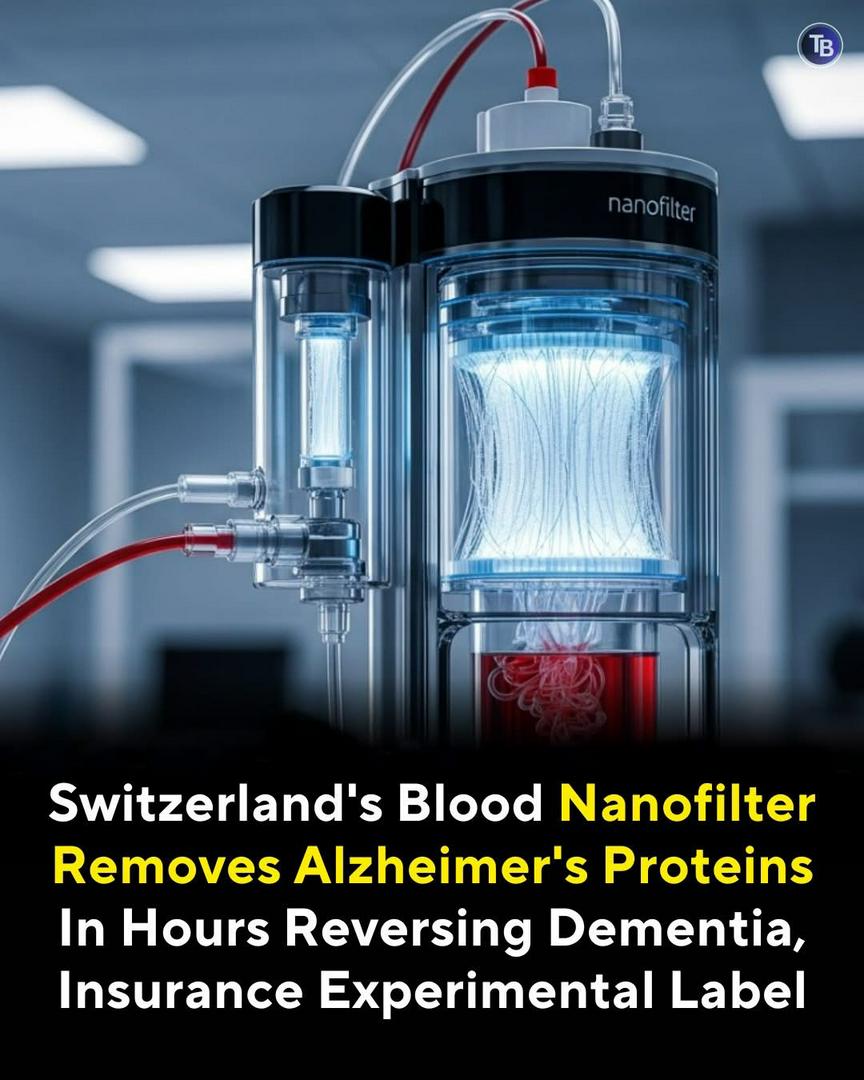
Swiss bioengineers have developed a groundbreaking blood filtration device that utilizes nanofilters to target and remove amyloid-beta and tau proteins, the primary toxic buildups associated with Alzheimer’s disease. In outpatient sessions lasting only four hours, this technology clears these proteins from the bloodstream, leading to normalized brain protein levels. Recent results have shown that patients with moderate dementia experienced measurable cognitive improvement within just weeks of starting the treatment. The technology operates at a molecular level, employing pores sized specifically to capture harmful proteins while allowing essential blood components to pass through undisturbed. This process functions similarly to a highly selective filter, circulating the patient's blood through a specialized cartridge before returning it to the body. By directly removing existing toxic proteins rather than merely attempting to prevent their formation, the system helps the brain reach a healthier equilibrium through the blood-brain barrier. Currently categorized under an experimental label for insurance purposes, the treatment protocol involves twice-weekly sessions for an initial eight-week period, followed by monthly maintenance. This direct extraction method represents a significant shift in neurological care, moving away from traditional pharmaceutical interventions toward mechanical molecular clearance. As the medical community monitors these Swiss trials, the potential to reverse dementia symptoms marks a pivotal moment in biotechnology. #AlzheimersResearch #MedicalInnovation #BioTech
2026-02-15

HeatherM
Amazing and yet, most patients with Alzheimers won't be getting this treatment as it effects elderly people most often who are usually on a fixed income and even if wealthy medical procedures are expensive so the experimental label means insurance companies won't cover it, less research leading it to be mainstream will take longer and more and more people will suffer.
02-16
Fort Hood, TX
Reply
2
More comments ...
write a comment...