1/1
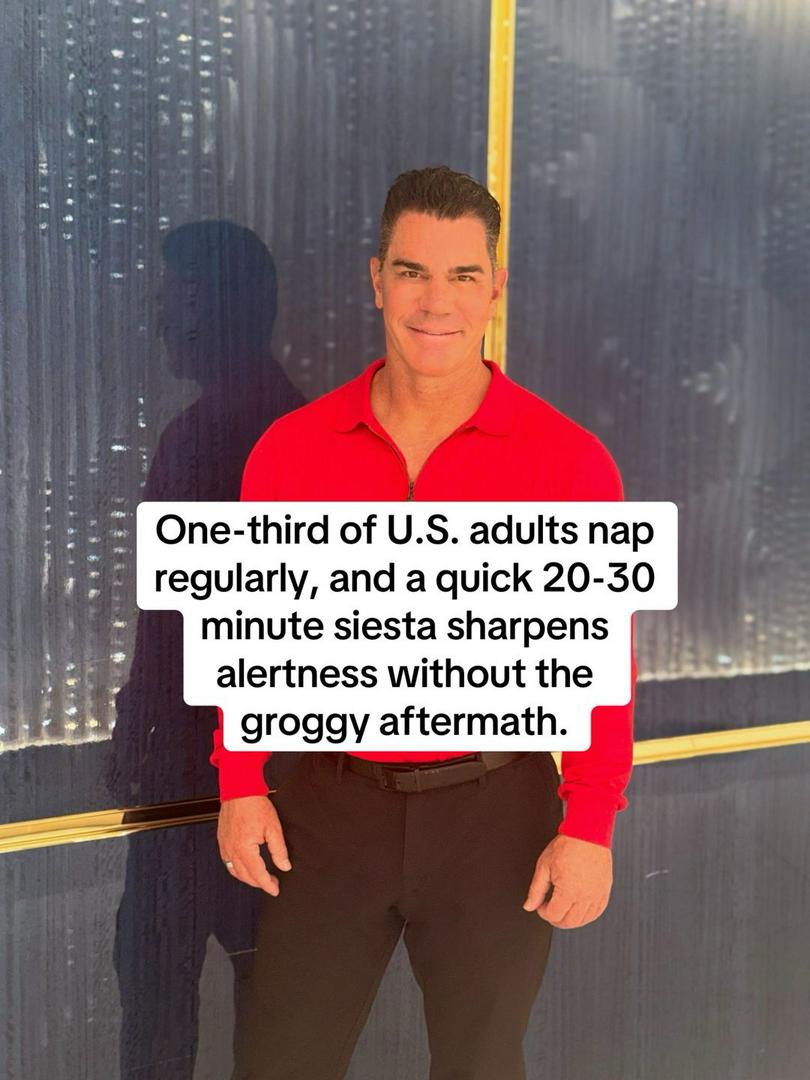
The Power Nap Revolution: Why 20 Minutes Could Change Your Day In a fast-paced world where burnout is the norm, one surprising stat stands out: one-third of U.S. adults nap regularly. It’s not laziness—it’s smart self-care. Science backs it up: a quick 20-30 minute siesta can sharpen your alertness, boost memory, and fend off that mid-afternoon slump without the dreaded groggy aftermath. Why does it work? Naps tap into your brain’s natural rhythm. After a full night’s sleep, your adenosine levels (the chemical culprit behind fatigue) build up, fogging your focus. A short nap clears this debris, hitting light sleep stages without plunging into deep REM territory. The result? You wake refreshed, not zombie-like. Studies from NASA and the National Sleep Foundation show pilots and shift workers who nap briefly perform up to 34% better on tasks requiring vigilance. But timing is key. Aim for early afternoon, between 1-3 p.m., when your circadian dip hits. Set a timer—over 30 minutes risks sleep inertia, that heavy-headed haze. Find a cool, dark spot; earplugs or an eye mask amplify the effect. No caffeine beforehand; it’ll sabotage the shut-eye. Napping isn’t just for kids or the elderly—it’s a productivity hack for everyone. In cultures like Spain’s siesta tradition or Japan’s inemuri (napping on the job), it’s normalized and celebrated. Yet in America, we stigmatize it as slacking. Time to flip the script: next time your eyelids droop, embrace the power nap. It’s not downtime; it’s your brain’s turbo boost. Sweet dreams—or rather, wide-awake wins. #nap #napping #nappingisthebest #sleepscience
2026-02-15
write a comment...