1/1
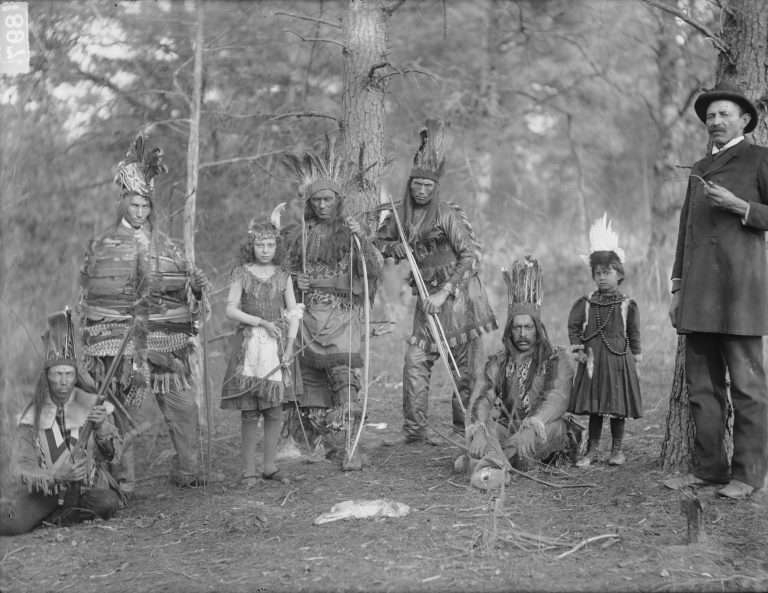
The Pamunkey Indian Tribe is not just a historical footnote; they are a living, sovereign nation with one of the deepest recorded histories in North America. Here are the essential facts about their heritage, government, and modern status: Ancient Roots and Global Influence 10,000+ Years of History: Archaeological evidence suggests the Pamunkey have occupied the Virginia Tidewater region for over 10,000 years. In 1607, the Pamunkey were the most powerful of the 30+ tribes in the Powhatan Paramount Chiefdom. They made up the core of the political and military strength led by Wahunsenacawh (Chief Powhatan). Famous Figures: Both Chief Powhatan and his daughter Pocahontas were Pamunkey. After Powhatan’s death, his brother Opechancanough led the tribe in major uprisings against English encroachment in 1622 and 1644. The Oldest Reservation in the U.S. Unceded Land: The Pamunkey Indian Reservation in King William County, Virginia, was established by treaties with the English in 1646 and 1677. It is the oldest continuously occupied reservation in the United States and consists of roughly 1,200 acres (much of it vital wetlands). The Annual Tribute: To this day, the Pamunkey maintain a 340-year-old tradition. Every year on the day before Thanksgiving, they present a "tribute" of wild game (usually a deer or turkey) to the Governor of Virginia at the state capitol, fulfilling the terms of the 17th-century treaties. Legal Status and Government Federal Recognition: In January 2016, the Pamunkey became the first tribe in Virginia to receive formal federal recognition from the Bureau of Indian Affairs. This followed a 30-year legal battle to prove their continuous existence as a distinct community. Voting with Peas and Corn: Their traditional election process is unique. When voting for the Chief and the seven-member Tribal Council, members use corn kernels (for "yes") and peas (for "no") dropped into a ballot box
2026-02-18

Jawz007

02-19
Lanham, MD
Reply(3)
1

S Nelson
who's the little white girl?
02-19
Cincinnati, OH
Reply(3)

Ronald Miles
If they are not of Tamerica Originally then they are not The Real Natives Of Virginia or any other Land Here gotta stop pushing the Lies of European Colonialism that was staged and pre written centuries ago main reason everyone should take DNA Test in this country Born Citizens
02-19
Pleasant Valley, NY
Reply(1)
1

Janice Michael
I love reading history!
6h
Gas City, IN
Reply(1)
1
More comments ...
write a comment...