1/1

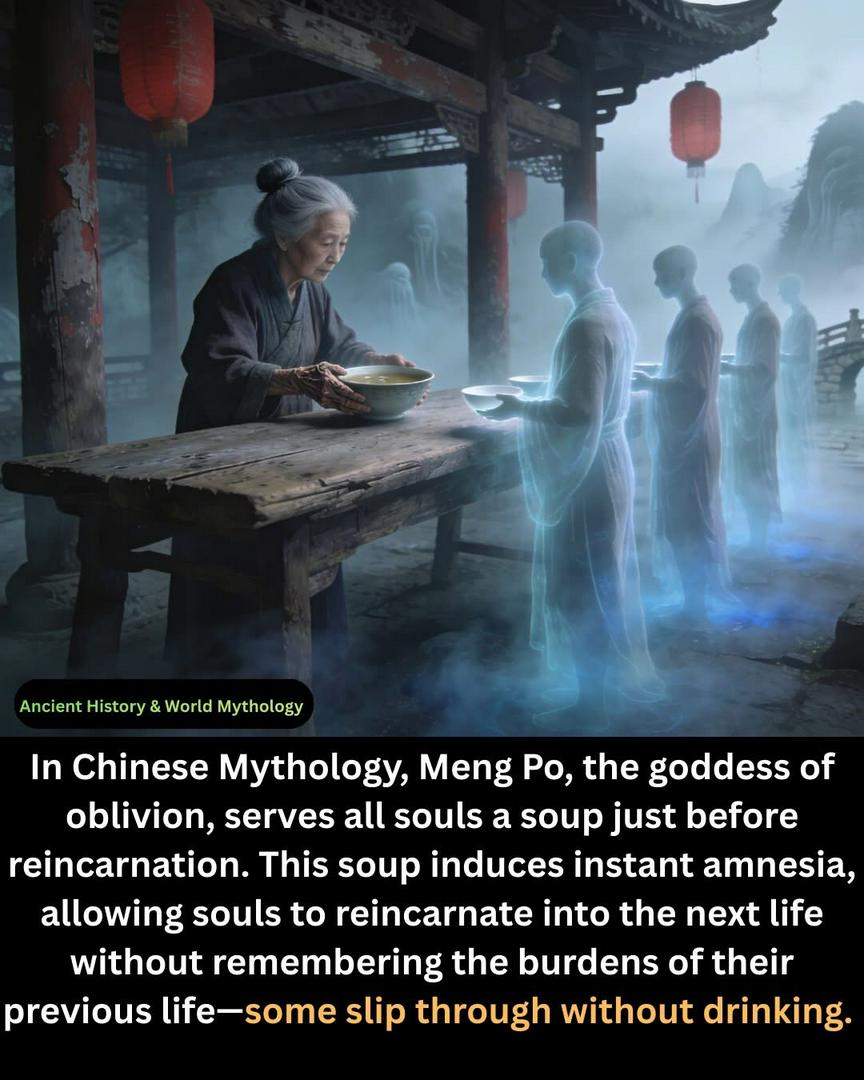
Before a soul may return to the world of the living, it must first pass through the courts of the dead. At the edge of rebirth stands a woman who ensures that memory does not follow. In Chinese religious tradition, the underworld known as Diyu is a vast realm of judgment and punishment governed by various deities and magistrates. After death, souls are brought before courts where their earthly deeds are reviewed. Those who committed wrongdoing endure punishments in different levels of the underworld before being prepared for rebirth. At the final stage of this journey waits Meng Po, often depicted as an old woman stationed near the Naihe Bridge, sometimes called the Bridge of Forgetfulness. She serves a potion known as the Five Flavored Tea of Forgetfulness. The brew is said to be prepared from earthly ingredients and medicinal herbs gathered from the human world. Once consumed, it erases all memories of previous lives, including family ties, suffering endured in Diyu, and experiences accumulated across earlier reincarnations. The purpose of the draught is practical within the logic of reincarnation. A soul burdened with memory could not begin a new life without the weight of past grievances, loves, or traumas. Forgetting ensures that karmic balance continues without conscious interference. Only after drinking the potion may the soul cross the bridge and enter the cycle of rebirth, described within traditions influenced by Buddhism and Daoism. #ChineseMythology #mythology #afterlife
2026-02-20

Priestess Auset Ra Amen
Facts
02-23
Conyers, GA
Reply
1
More comments ...
write a comment...