1/1

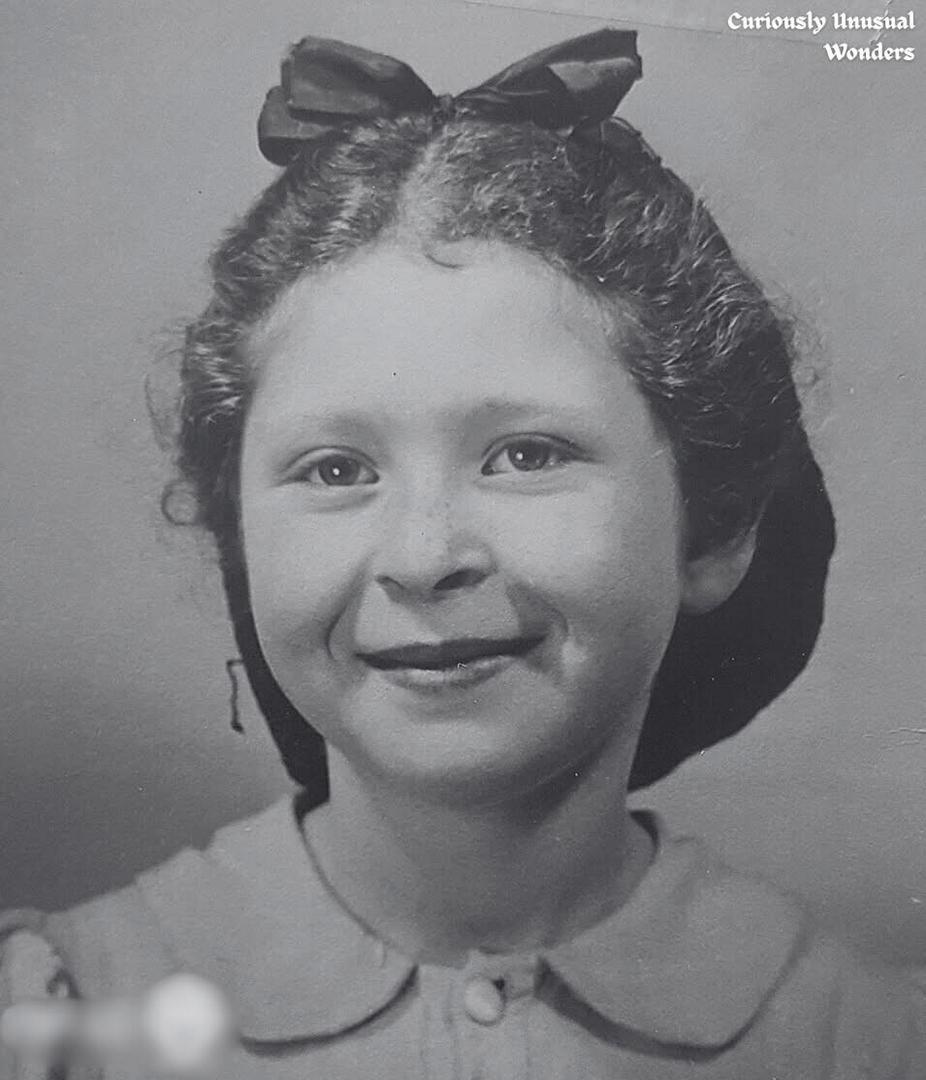
A starving ten-year-old in a death camp gave away her last piece of chocolate. Half a century later, the baby she saved gave it back. Paris, 1933. A baby girl named Francine was born into a Jewish family that had no idea how quickly their world would unravel. By 1940, everything collapsed. Her father, Robert, was captured and sent to a prisoner-of-war camp in Austria. But even behind barbed wire, he found a way to warn his family. A message reached them in code, simple and urgent: Run. Now. While you still can. Francine’s mother, Marcelle, tried. In July 1942, she took her nine-year-old daughter by the hand and fled toward the border. They were caught. Because Robert was a French POW, mother and child were granted a thin, cruel mercy. They were labeled “hostages,” temporarily spared deportation. On May 4, 1944, that protection ended. Francine and her mother were forced onto a train bound for Bergen-Belsen. Each was allowed one small bag. Among Marcelle’s carefully chosen belongings were two precious squares of chocolate—tiny reserves meant to keep them alive when everything else failed. Bergen-Belsen was death stretched over time. Hunger. Disease. Hopelessness. Bodies piled like discarded wood. One day, Francine witnessed something that pierced even that horror. A pregnant woman, alone, in labor, too weak to survive what was coming. Francine was ten years old. She was starving. She looked at her piece of chocolate—perhaps the only thing standing between her and death—and made a decision no child should ever face. She gave it away. Somehow, impossibly, it was enough. The woman found the strength to give birth to a baby girl. Both lived. Weeks later, the camp was liberated. Francine and her mother survived. And against all odds, they found Robert again. Their family—damaged, scarred, but intact—was reunited.
2026-02-21

ERB
Incredible and quiet heroism by a child ❤️
02-22
San Jose, CA
Reply
16

Henry Yasses
What a terrible time that was, and IF WE ARE NOT CAREFUL, IT WILL HAPPEN AGAIN. All humans MUST treat everyone as brothers and sisters, so it doesn’t.
03-06
Rochester, NY
Reply
9

Carl james McCreary
Where does the hatred of people come from that men starve and kill children?
02-23
Detroit, MI
Reply
8

Rachelle Barrett
Dang it! What about baby that came back?
02-21
Jacksonville, FL
Reply(1)
7

Sometimes A Grownup
Kindness 💯
02-22
Madeira, OH
Reply
7

Tracy McLain
Meet the real Hitler and he was half Jew. Donald John Trump is not Hitler. 👍🏼
02-23
Paige, TX
Reply(1)
6
Pennie
And it’s what Americans are going through now
02-24
Lakeland, Florida
Reply
6

Melanie Gomez
Now this is what Humanity is all about! What a lovely but also tragic story! They should never have had to be put in this situation to begin with!
02-23
Merrill, OR
Reply
5

Shirlee
a rare good ending in this horrible time.
02-23
Pulaski, VA
Reply
5

Alice Henry
love how this ended😌
02-24
Lower Township, NJ
Reply
5
More comments ...
write a comment...