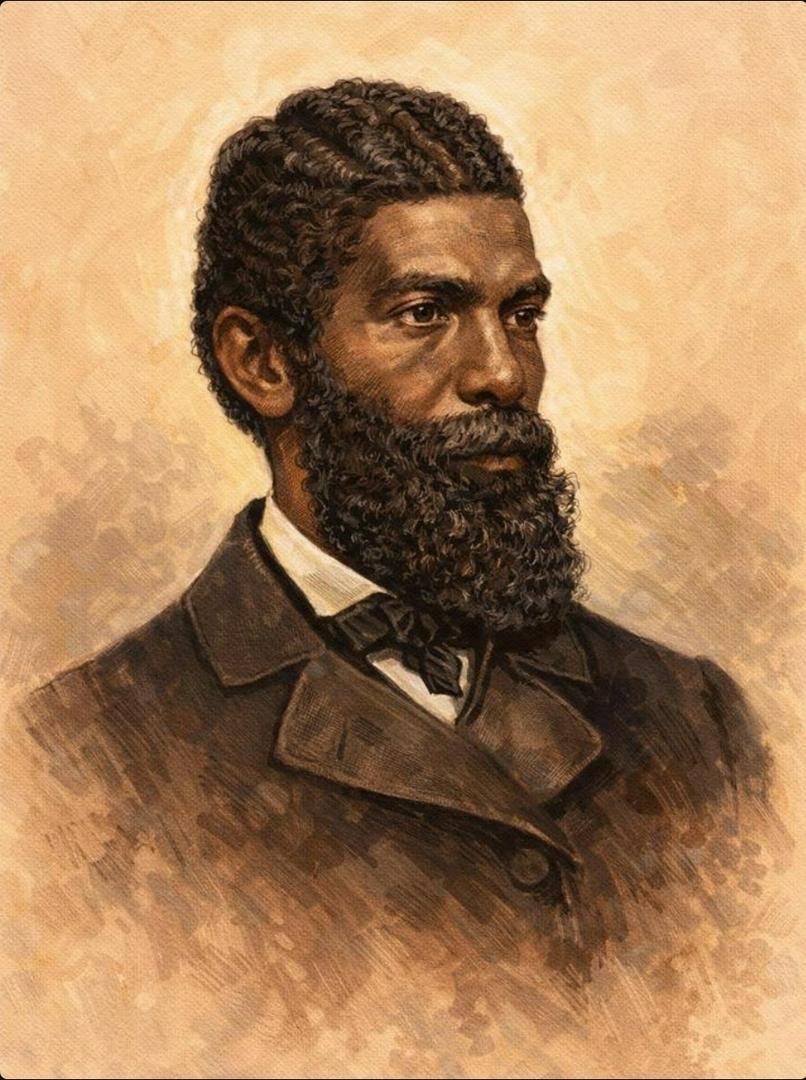
1/1

On February 1, 1865, John S. Rock became the first Black lawyer admittec to practice before the United States Supreme Court. The moment passed quietly, without ceremony or headlines but its significance cut straight through the legal and racial barriers of nineteenth-century America. The nation was still locked in civil war, slaverv had not vet been formally abolished, and Black citizenship remained hotly contested. Rock's admission came only eight vears after the Dred Scott decision declared that Black people had no rights a white man was bound to respect. In that context, a Black man standing before the highest court in the country was not iust uncommon...it was confrontational. It forced the legal system to acknowledge Black intellectual authority in a space that had long been closed by design. Born free in New Jersey in 1825, Rock was a man of rare range and discipline. He beaan his career as a teacher. then became a physician, and later turned ta aw after illness ended his medical practice. As an abolitionist and public speaker, he argued forcefully for equal rights, suffrage, and full citizenship often addressing audiences that were openly hostile to those ideas. His voice was sharp, reasoned, and unapologetic Rock's Supreme Court admission did not transform the legal system overnight Discrimination remained entrenched and opportunities were still tightly restricted. But precedent matters. His presence made it impossible to arque that Black Americans lacked the intellect. discipline. or moral authoritv to participate at the highest levels of American law. . February 1, 1865, stands as a reminder that some of history's most meaningfu shifts happen without applause. A door opened. A boundary moved. And the record was changed forever.
2026-02-23

Abraham Lincoln
Take down 1776 Patriot's article you plagerized.

02-23
Reply
3

Raymond Hilburn
Cool
02-25
Athens, TX
Reply
2

Jeannette Dolan
Great story.
02-28
Sherrills Ford, NC
Reply
1
More comments ...
write a comment...