1/1

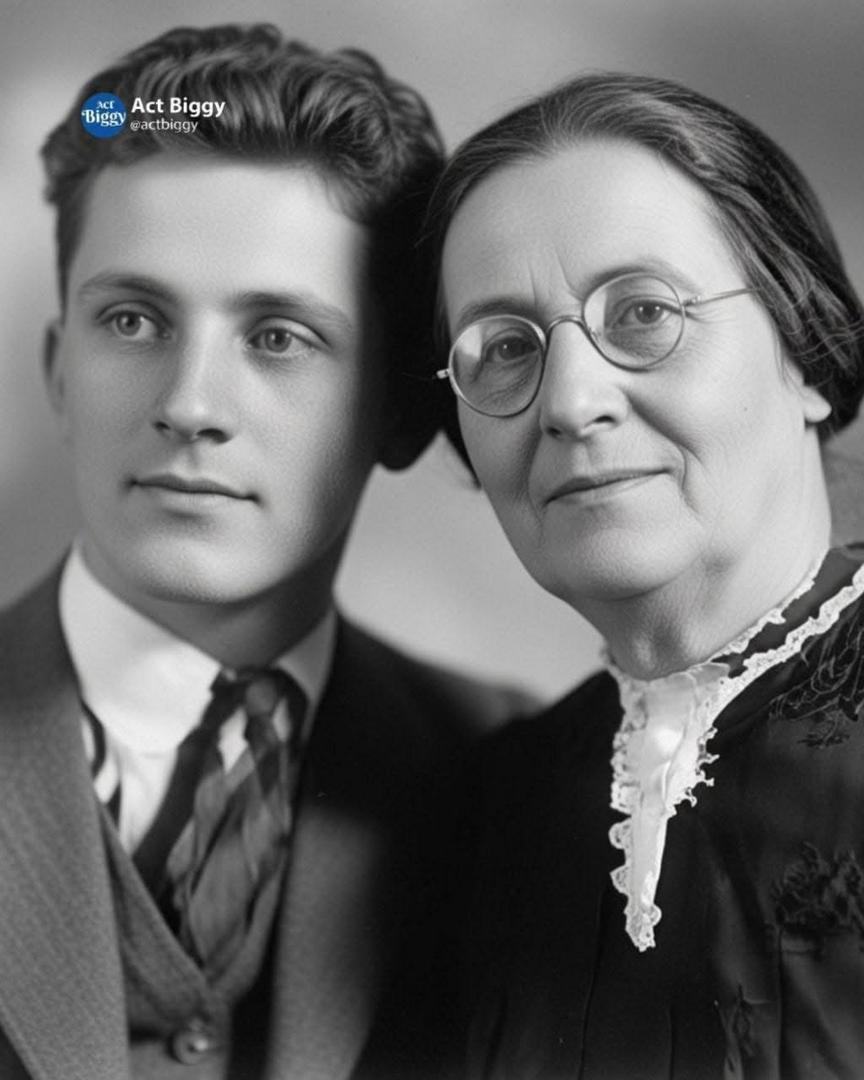
Her husband never called her by her name. Her son put it in lights above New York City. Her name was Bryna Sanglel. She carried it from a tiny village in what is now Belarus, across the ocean, into the unknown. At 19, she stepped onto a ship bound for America with nothing but hope—and a ticket bought by Herschel, the man who promised her a better future. They married in 1910. The “better future” turned out to be Amsterdam, New York—not the glittering city of opportunity, but a gray mill town where immigrant families worked themselves to exhaustion for pennies. Bryna gave Herschel seven children. Six daughters came first. Then finally, a son. They named him Issur. At home, they called him Izzy. Herschel, once a respected horse trader in Russia, became a ragman in the new world. He pushed a cart through alleys, collecting scraps and junk for a few cents. What little money he earned vanished into bottles and card games. At home, he was worse than absent. He was cruel. He never once called Bryna by her name. Only “Hey, you!” Bryna couldn’t read. Couldn’t write. But she could work. She scrubbed floors until her hands bled. She took in laundry. Cleaned other people’s houses. Did anything to feed her children. Still, it was never enough. When there was nothing left, Bryna sent young Izzy to the Jewish butcher with a plea that carved pieces from her dignity: "Please… can we have the bones you’re throwing away?" She boiled those discarded bones for hours, coaxing a thin, watery soup that kept her children alive. Decades later, when Izzy became Kirk Douglas, one of Hollywood’s biggest stars, he remembered: "On good days, we ate omelettes made with water instead of milk. On bad days, we didn’t eat at all." Yet Bryna never broke. She held her family together with sheer will. And when her son dreamed of acting, she didn’t dismiss him.
2026-02-23

I hate dems
Would make a great movie
02-23
Danville, PA
Reply
6

winner boy 242
So...
Kirk Douglas put her name in lights?How, when?🤔
02-24
Mill Spring, NC
Reply(2)
3

Loie
I'm sure she received her better life .
02-25
Pierz, MN
Reply
1

Mablecable
He sexually assaulted Natalie Wood when she was a teenager. Wonder what his mother would say?
02-25
Charleston, SC
Reply(1)
More comments ...
write a comment...