1/1

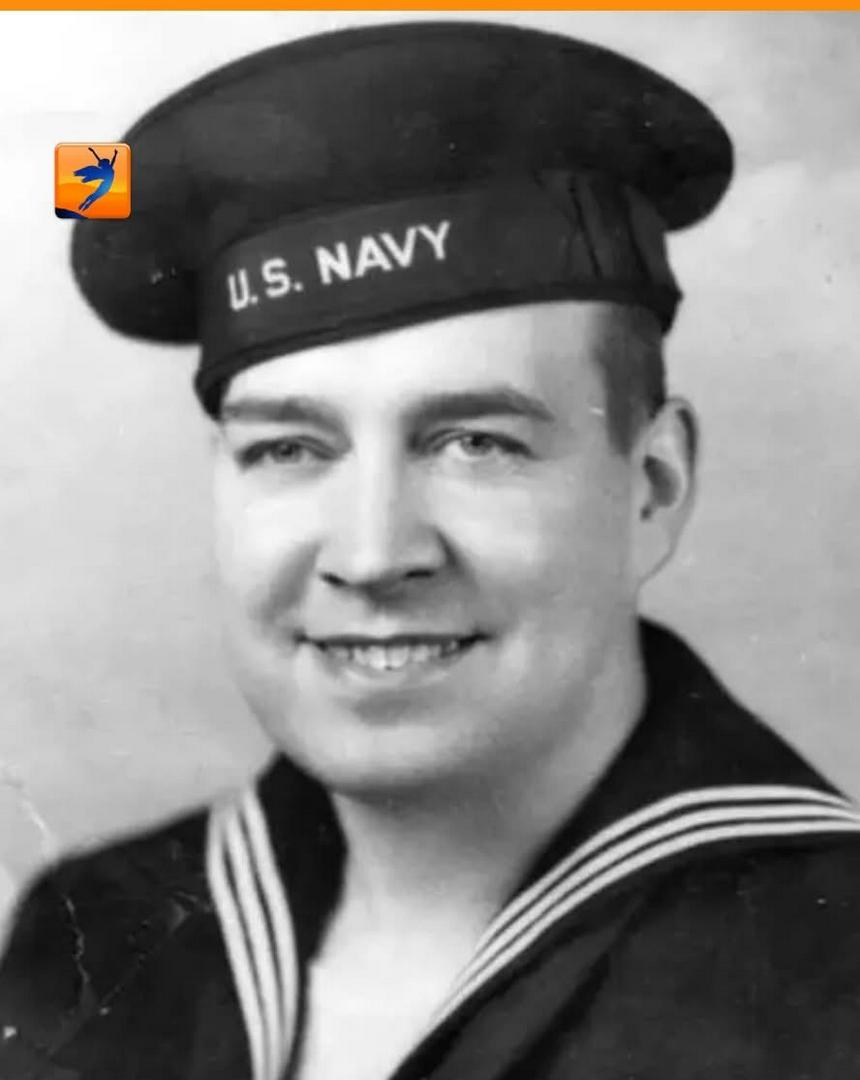
His uncle was Adolf Hitler. Twice turned away by the US Navy, he boldly appealed to FDR himself and won a Purple Heart battling the Nazis. Born in 1911 to Adolf’s half-brother Alois, William grew up in England after his father abandoned the family. For years, the Hitler name was just a label, but as his uncle’s political power exploded in Germany, William found himself caught between fascination and horror. He initially tried to capitalize on the family connection, seeking jobs in Berlin and even working at a bank and a car factory under his uncle’s reluctant gaze. However, the relationship turned toxic. Adolf was livid, calling him his “loathsome nephew,” and William soon realized that staying in Germany was a death sentence. He fled back to Britain and eventually to America, where he became a vocal critic of the Nazi regime. When the war broke out, William was in a bizarre limbo because the British wouldn’t take him and the Americans were deeply suspicious of anyone named Hitler. After being rejected twice by the U.S. Navy, he refused to give up and wrote a personal, heartfelt letter to President Franklin D. Roosevelt. He explained that he wanted to prove his loyalty to the side of liberty and fight against the evil his uncle had unleashed. Remarkably, after a thorough FBI investigation, FDR and J. Edgar Hoover gave him the green light. On March 6, 1944, the man whose surname stood for genocide officially joined the U.S. military to save lives. William served as a Navy pharmacist’s mate, essentially a medic, and was eventually wounded in action, earning a Purple Heart. While his uncle was bunker-bound and orchestrating the destruction of Europe, William was on the front lines patching up American sailors. After the war, He changed his name to Stuart-Houston, moved to a quiet town on Long Island, and started a medical laboratory.
2026-02-24

David Doran
Proof that genetics are not the sole determinants in how a person turns out. I've known his story for years.
02-27
Fort Valley, GA
Reply
More comments ...
write a comment...