1/1

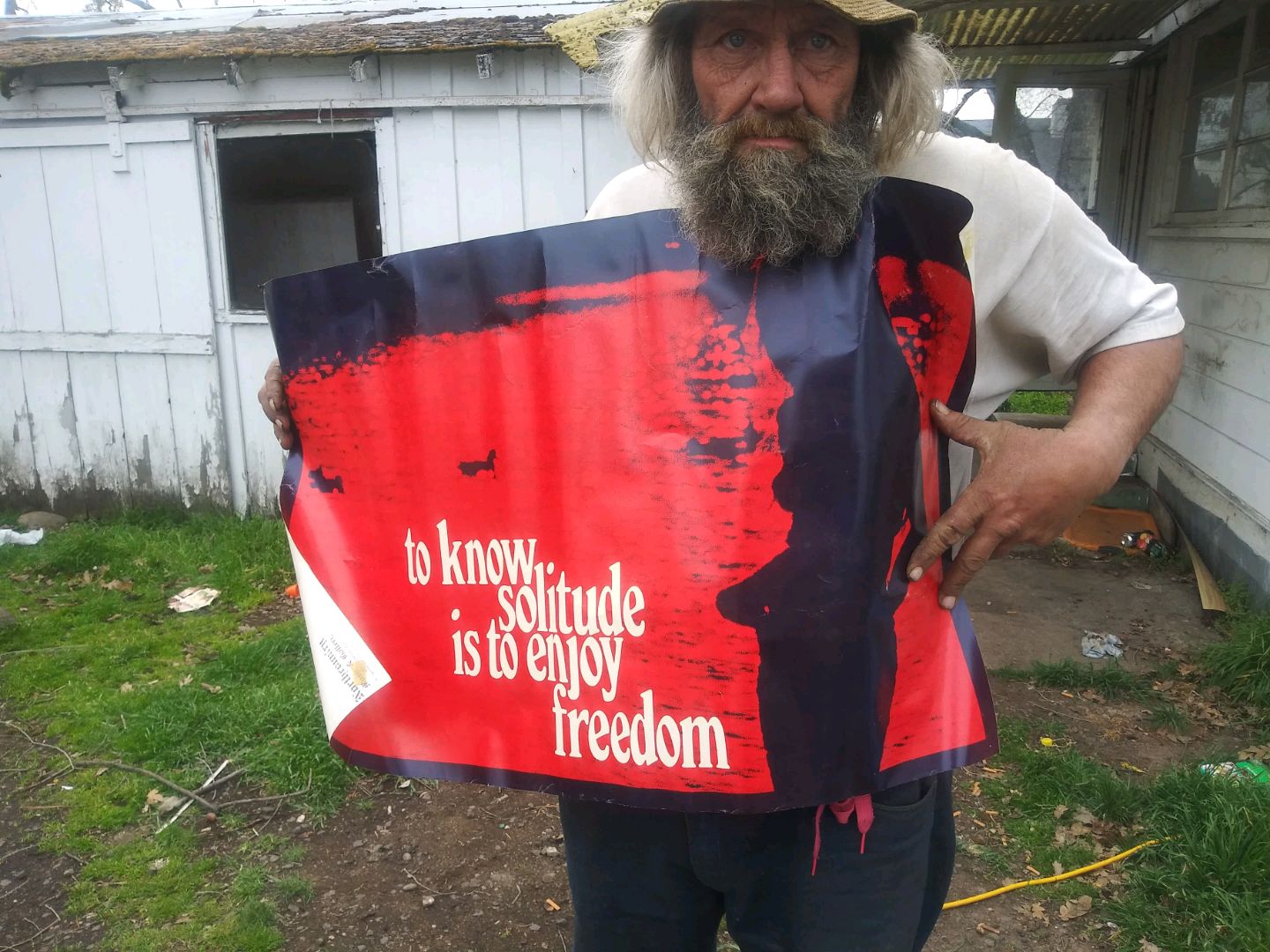
There is a persistent societal bias that views struggling men as "threatening" or "failures" rather than people in need of care, which further drives them into the shadows of the street. For many men, a wife or partner is their only emotional outlet. If that relationship ends, their entire support system collapses simultaneously. The pressure to "man up" turns a manageable mental health issue into a chronic one. By the time a man seeks help, he may have already lost his job, his housing, or his family's trust. High rates of untreated mental illness in men correlate directly with chronic homelessness. Following divorce or job loss, men frequently lose their primary social connection (a spouse) and may face distance from children, leading to total isolation. Men are statistically less likely to have close confidants to lean on during a financial crisis. Men are more likely to self-medicate for depression or PTSD with drugs or alcohol. Because many men are socialized to only be vulnerable with a romantic partner, divorce isn't just a legal separation; it’s an emotional eviction. A woman crying on a park bench often triggers an impulse to help; a disheveled man in the same spot often triggers an impulse to cross the street. This "fear response" from the public creates a profound sense of exile. By the time "stoicism" fails and a man admits he’s drowning, he is often already in the late stages of a crisis (eviction, addiction, or total estrangement). It’s a cycle where the cost of "being a man" is often total isolation. When society treats a struggling man as a threat or a failure, it validates his decision to stay silent until the situation is unsalvageable. By the time he reaches for a hand, he’s often already fallen off the map. This emotional eviction isn't just a metaphor; it's the literal starting point for many men who end up on the street.
2026-02-24
write a comment...