1/1

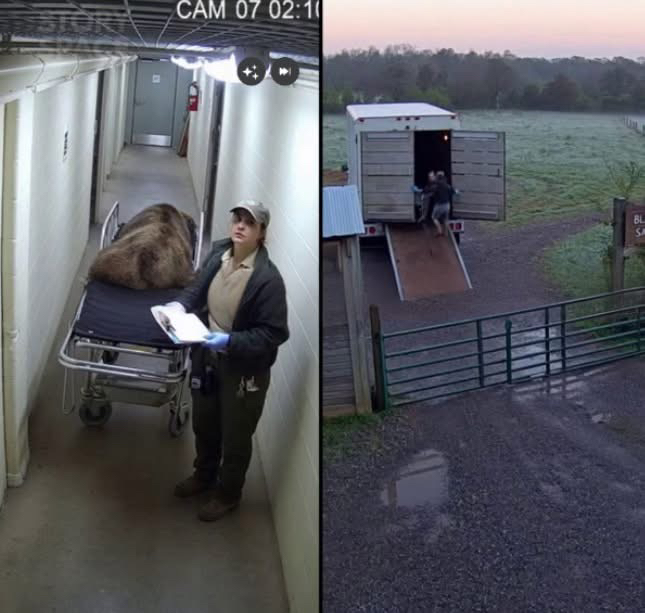
Rachel was a zookeeper, and for years she watched an aging bear named Milo slowly fade behind the bars of a space far too small for him. Milo had spent most of his life in captivity. By the time Rachel met him, his once-powerful body had grown stiff with age. The concrete floor aggravated his joints, and on cold mornings he struggled just to stand. Each step was slow, careful, and heavy with pain. Rachel noticed everything. She saw how he favored one side, how he slept longer not from peace but exhaustion, and how his pacing never truly stopped. She filed reports, requested evaluations, and documented every change. Management responded with the same words: not urgent, not necessary yet, not in the budget. Policy, they said. Procedure. Priorities. But Rachel knew the difference between procedure and neglect. Waiting meant watching Milo decline until silence solved the problem. So she planned carefully. She gathered records, photos, and ignored requests. She contacted veterinarians and a sanctuary that specialized in aging rescue animals. She learned transport protocols, sedation limits, and the risks she was taking. One night during her shift, she sedated Milo under routine care, spoke to him softly, and placed him into a transport crate. Then she drove through the night. By morning, Milo arrived at the sanctuary. Days later, Rachel was fired and charged. Headlines called it theft, not rescue. But sanctuary veterinarians confirmed advanced arthritis and long untreated pain. Public opinion shifted. Investigations followed. Other animals were later relocated quietly. Milo now lives with grass under his feet, proper care, and space to rest without stress. Rachel works at the sanctuary today. She lost her job, but gave Milo dignity.
15 days ago

Peggy Kennerly
Thanks for showing concern. 🥰🥰🙏🙏🙏
15d
Orangeburg, SC
Reply
14

BoBunyun
No animal should be in captivity for human amusement
15d
Warren, OH
Reply
12

BC
That is a true animal lover. Bless you. 🙏🏼💕
14d
Morrisville, NC
Reply
12

cinderellie
God Bless you Rachel!!
14d
Reply
11

Cheryl Wood
She is such a nice lady for helping that wonderful animal
15d
Jonesboro, AR
Reply
10
JW
She’s a HERO! 💕
14d
Rochester, NY
Reply
9

Lrg 2003
That’s amazing!!!!
14d
Gloster, LA
Reply
8

Janice Michael
She cared!
13d
Gas City, IN
Reply
3

Melanie Gomez
Incredible things will come her way, thanks to her compassion, sense of duty and her non wavering commitment to help a bear in need!
12d
Merrill, OR
Reply
1
More comments ...
write a comment...