1/1

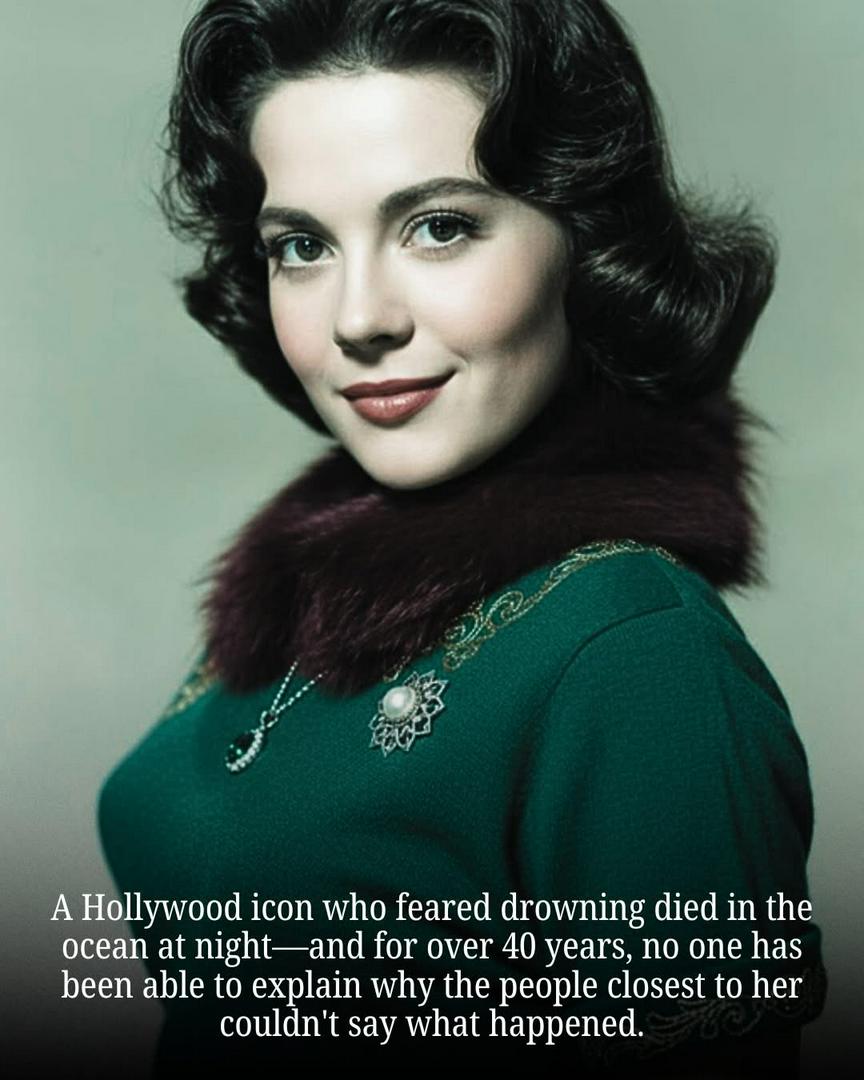
Natalie Wood vanished into the dark Pacific waters off Catalina Island on a November night in 1981, and the questions surrounding her death have outlasted the explanations. Wood wasn't a forgotten name trying to reclaim the spotlight. At 43, she was an accomplished actress with a respected career, quietly working and moving forward. That weekend, she boarded the yacht Splendour with her husband Robert Wagner, actor Christopher Walken, and the boat's captain for what should have been a brief getaway. What happened that night has never been clearly established. Alcohol was involved. Witnesses reported tension. At some point after dark, Wood ended up in the water—despite a well-documented lifelong fear of drowning and limited swimming ability. Her body was found the next morning, floating near the yacht. She was wearing a nightgown, socks, and a down jacket. Bruises were noted. The dinghy was found loose nearby. No one aboard the yacht reported hearing her fall, hearing calls for help, or realizing she was missing until it was too late. The initial ruling: accidental drowning. But the explanation never settled. Accounts from that night conflicted. Timelines didn't align. Years later, the boat's captain came forward claiming there had been arguments and suggesting that calls for help might have gone unanswered—claims that were disputed. In 2011, authorities reopened the case. The cause of death was changed to 'drowning and other undetermined factors.' Wagner was named a person of interest, but no charges were ever filed. What makes Wood's death so deeply unsettling isn't just the mystery—it's the way uncertainty became permanent. A famous woman died under unclear circumstances while powerful people survived to tell their versions of events. The entertainment industry responded with public mourning and private silence.
17 days ago

LJ Rich
y'all know he killed her; don't you?
16d
Reply(1)
7

Gwendolyn
SHE DIDN'T VANISH!
17d
Natchez, MS
Reply
7

Dean Mckee
its aways been about 4 people. she didnt get into the water on her own.
17d
East Wenatchee, WA
Reply
4

Judy Fowler
Natalie was a flirt, and Robert married her twice. He knew...I think she flirted with Walken and Wagner was disgusted...after he and Wagner retired, and her being a little drunk decided to go the party on the shore in the dinghy...scared of water but wanting to party, it cost her her life..Walken and Wagner had nothing to do with it
16d
Sparks, NV
Reply
3

Paul Edward Prorok
I solved this case immediately because I was studying Criminal Justice then. Stephanie Powers and R.J. Wagner were working together on "Hart to Hart" and got together. Stephanie had her celebrity husband Bill Holden, killed, Then R.J. Wagner drowned His wife Natalie Wood, So Wagner and Powers could be together. Don't tell anyone I told you this.
16d
Chicago, IL
Reply
3

Fed up Patriot
Wagner murdered her knowing a divorce would leave him broke.
16d
Modesto, CA
Reply
3

13666
RIP🕊️
17d
Green Bay, WI
Reply
3

Reggie Harris
SHE WAS KILLED BY A BOYFRIEND. THEY WERE DRINKING
17d
Las Vegas, NV
Reply
3
countryboy65
I heard it was Cliff Booth who shot her with a spear gun on the boat
17d
Maryville, TN
Reply(2)

Montanadan
what kind of wood floats? Natalie wood
17d
Reply
1
More comments ...
write a comment...