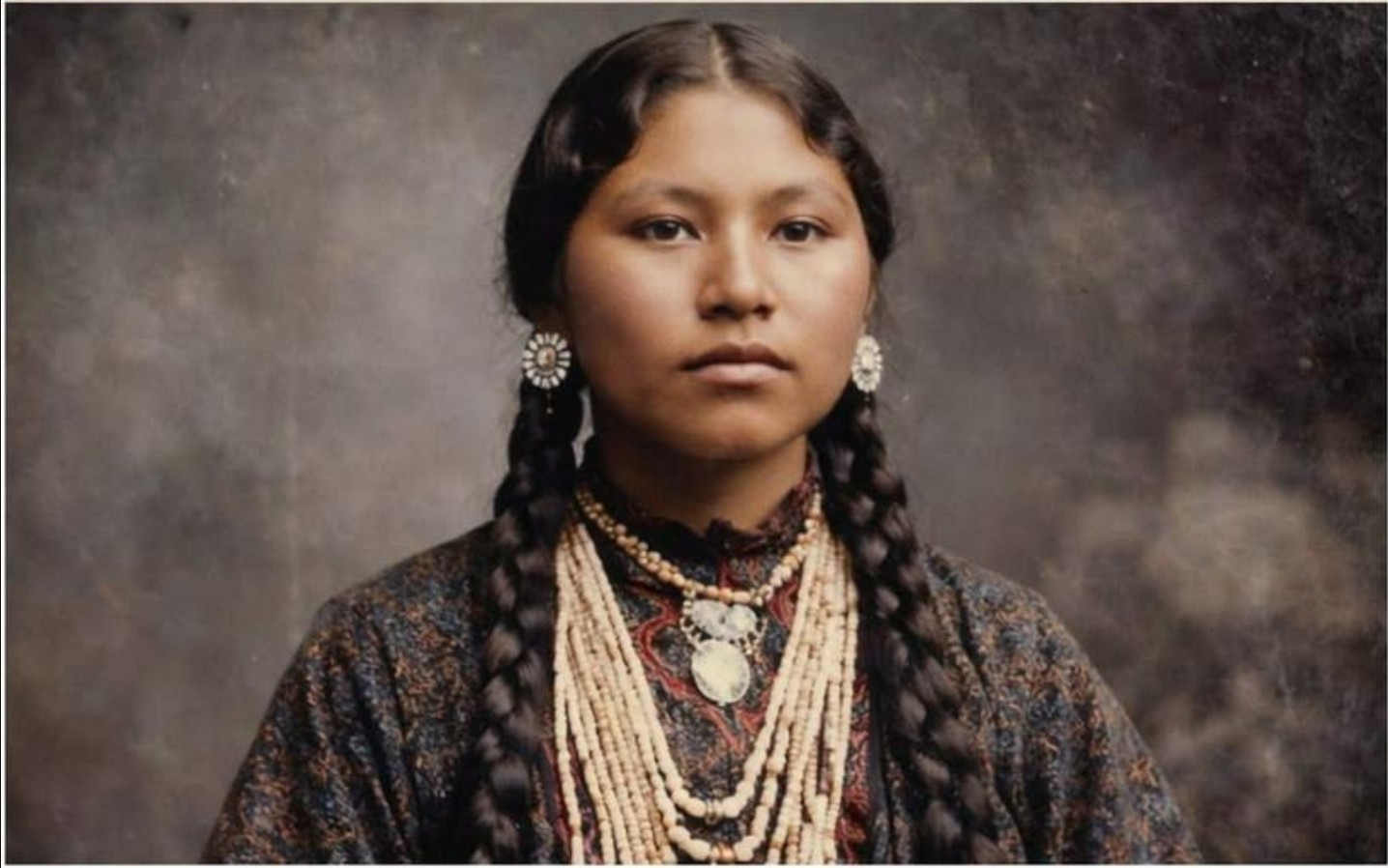
1/2
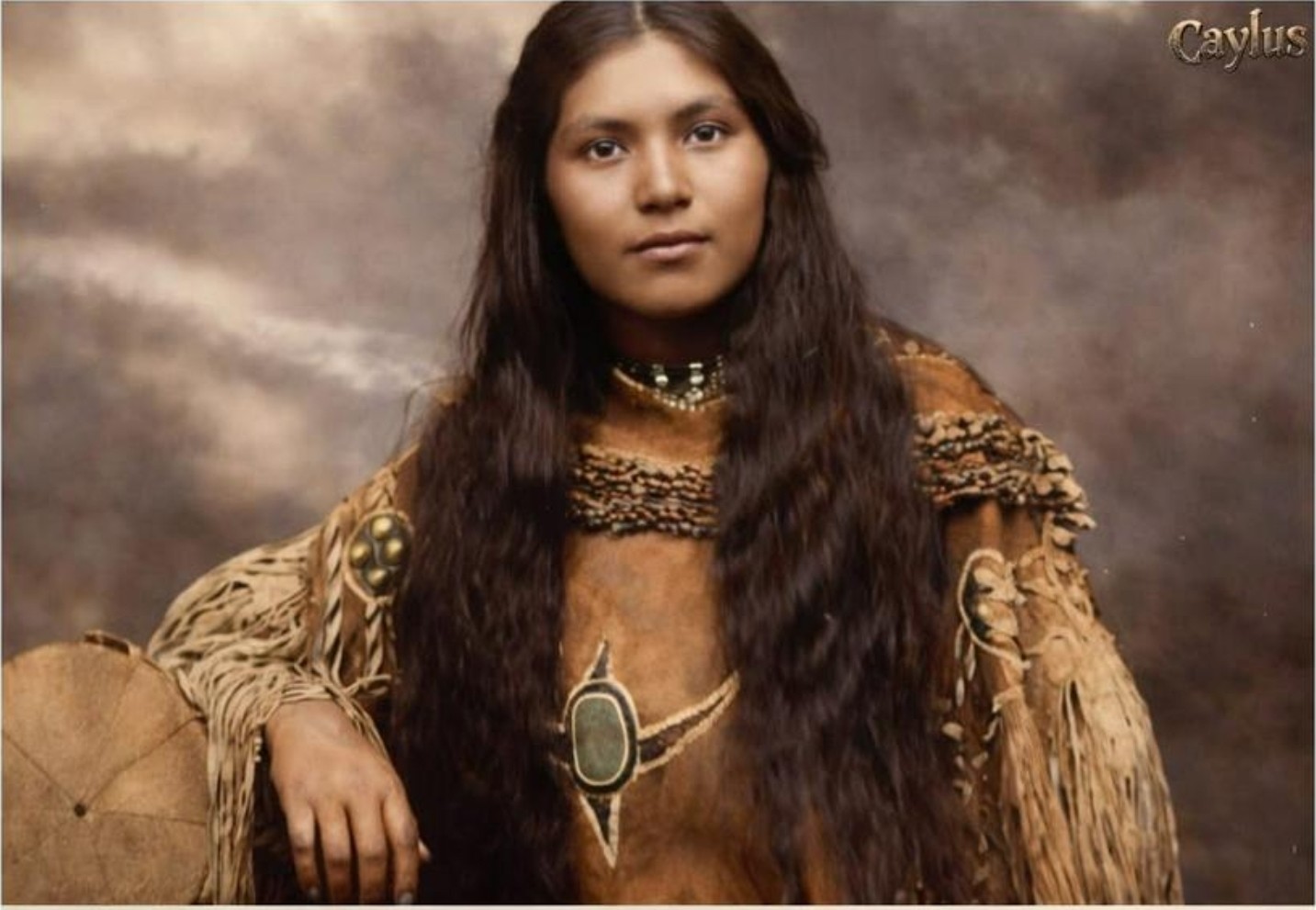

Cherokee women could divorce their husbands by putting their stuff outside That was it. Marriage over. Because they owned everything--including the house he was standing in No lawyers. No judges. No permission needed from fathers. brothers. or male elders. A Cherokee woman decided the marriage was done? She gathered her husband's belongings, placed them on the doorstep, and he left. Simple as that Because in Cherokee societv, women didn't iust live in houses. They owned them. And the land beneath them. And pretty much everything inside them. When European colonizers arrived in the southeastern United States in the 1600s and 1700s, they found something that broke their brains: a sophisticated civilization where women held aenuine power.Not symbolic power. Not "respected in the home" power. Real, structural political, economic power Cherokee women sat in tribal council s alongside men-not as observers, but as decision-makers debating warfare negotiating treaties, and shaping national policy. They could earn the title of "Beloved Woman" or "War Woman," positions so authoritative that a single woman's word could spare a prisoner's life or determine whether the entire nation went to war. Nancy Ward, one of the most famous Beloved Women, negotiated directly with American colonists during the Revolutionary War era. Not through her husband. Not with male permission. She was the diplomat, the authority, the voice that mattered But this wasn't iust about exceptiona women rising to power in a male-dominated svstem. The entire social structure was built differently from the ground up Cherokee society was matrilineal. Your identity, your clan, your place in the world -all came from vour mother, not vour father. Children belonged to their mother's family. Property passed from mother to daughter through generations. When a couple married, .
2026-02-28

Josephine Moo
That’s not all they were in charge of….amazing for the time
02-28
Albuquerque, NM
Reply(13)
14

Tyro King
im full blood Dine navajo
03-01
Winslow, AZ
Reply
14

Trump Team
And thats why their extinct 😆
03-01
Reply(13)
4

Pat Mayfield
Cherokee people are thriving they aren't extinct. You men are so prejudice. its very sad.
03-01
Baxter Springs, KS
Reply
12

Johnnie Prather
Damn, I got some Cherokee in me, and I could have saved my money by placing items outside my home!!??
02-28
Newnan, GA
Reply
12

Pretty Nikki
That’s my people!

03-03
Houston, TX
Reply(1)
9

Melinda Phillips
Which it was that easy now!
03-01
Greensboro, NC
Reply(3)
5

Cher ok
She is indeed beautiful! And I really like that way to make it happen. In the old days we used to say the only thing that could mess up a marriage was a man who didn’t appreciate the gift he was given. Because most women were counting on lifetime relationships and in love enough to keep them. Now days women can be selfish or on drugs so it takes two.
03-01
Reply(1)
6

Friends Are Future Enemies
Very informative read. Women rule, & men rock sometimes. 🤷🏾♀️🤣
03-01
Reply(6)
4
More comments ...
write a comment...