1/1

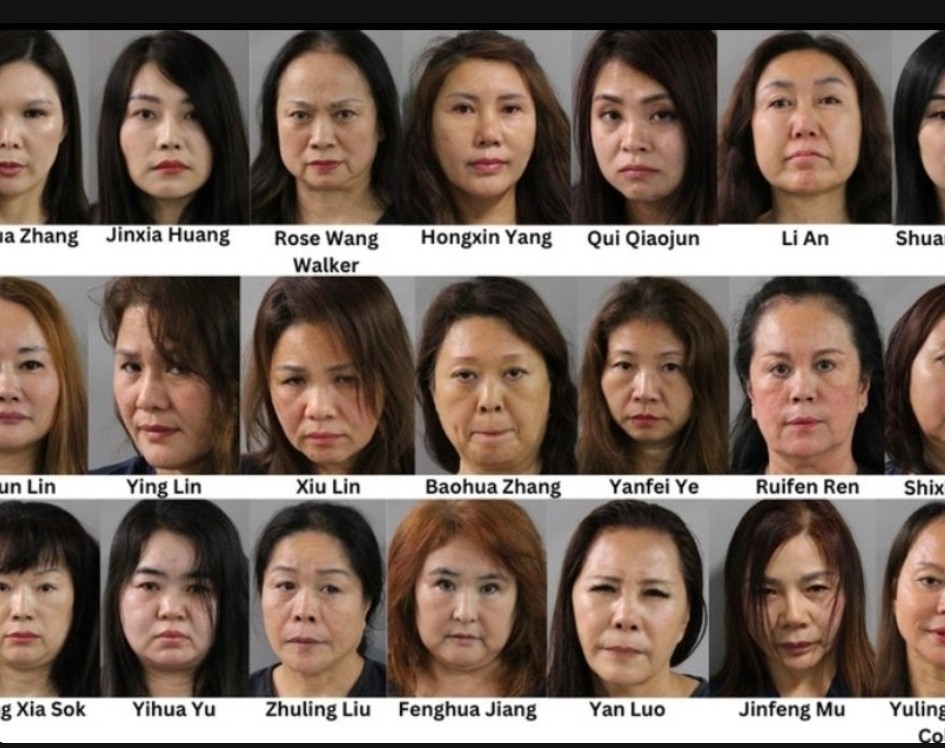
Why Organized Prostitution Networks Continue Operating Across U.S. Cities United States - Despite repeated complaints and public awareness organized prostitution and human-traffickina operations continue to operate openly in many American cities often behind the facade of licensed massage parlors Law-enforcement officials and court records show that these operations persist not because they are legal, but because enforcement is fragmented, penalties are weak, and responsibility is routinely shiftec between agencies. A Networked Crime Mode Authorities describe many of these businesses as part of organized criminal networks, using layered ownership, shell companies, and leased commercial properties to shield operators from prosecution. Workers are frequently dentified as trafficking victims, coerced through debt, threats, or immigration pressure. Why Enforcement Breaks Down Several systemic factors contribute to the problem: Local vs. Federal Divide: Prostitution enforcement is typically handled by loca police, while trafficking cases require state or federal resources. Many investigations stall when agencies disagree on jurisdiction. Regulatory Treatment: Cities often classify violations as licensing or code issues, resulting in fines or temporary closures rather than criminal prosecutions Victim Vulnerability: Fear of retaliation or deportation often prevents victims from cooperating, weakening cases against organizers. Economic Incentives: Licensing fees, fines and property taxes create financia incentives for municipalities to requlate rather than dismantle repeat offenders Uneven Enforcement Street-level prostitution is aggressively policed, while indoor, organized operations tied to real estate and business licensing often reopen after minor penalties. Property owners and financial backers are rarely charged, allowing networks to continue operating with minimal disruption.
2026-03-03

Katherine I
How is it that Prostitutes and People that pay for the services of Prostitutes don't have to register as sex offenders but a person views a picture/video on the internet for free of someone breaking a law has to register as a sex offender? So are we to believe clicking a computer mouse button is worse than actual physically touching another person. Insane.
03-04
Reply(43)
31

LaTonya
United States has a lust problem. They started this trafficking thing since the 1880s...called slavery. Then added different names to it ever since. Now it's trafficking.
03-09
Freeport, IL
Reply(25)
42

Geee,things are bonkers
You can thank the democrats for allowing human trafficking to explode with the invasion of illegals.
03-08
Reply(25)
27

Montanadan
there all ugly
03-04
Reply(6)
16

anonymous 46579
I'm sorry prostitution should be regulated and legal.
03-11
Auburn, IN
Reply(4)
12

Danimal
Under cover police visit these establishments to gather intel and evidence of a crime . Why does it take 10 visits to figure it out ? 🤷🏻♂️lol
03-03
Malibu, CA
Reply(3)
12

Wynne Neal
all Asian.. all these Asian nail salons are doing same in back of stores.
03-08
Atlanta, GA
Reply(3)
12

Christa
Prostitution exist because there's a demand for those services. If there were no customers there wouldn't be a business. Simple economics.
03-06
Cross, SC
Reply(4)
11

Brent Hutchinson
Another example of money winning. America. It's all about the dollars. It's better for cities to fine them and catch them again later so they can fine them some more. Prostitution is as old as time. As long as people exist, women will make money prostituting themselves.
03-23
Lancaster, PA
Reply(3)
17

KinSJ
Is it me or they all Chinese ?
03-10
Merchantville, NJ
Reply(6)
7
More comments ...
write a comment...