1/1

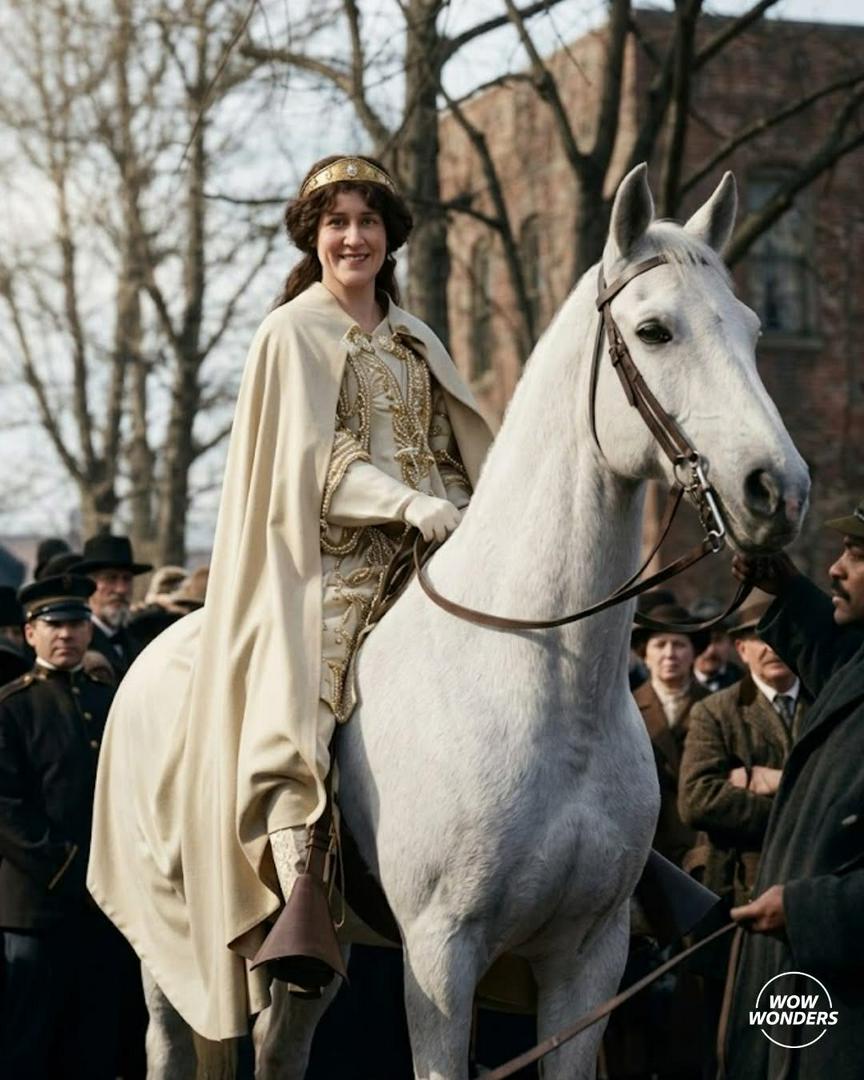
On this day 113 years ago, a young woman rode a white horse named Gray Dawn at the head of more than 5,000 marchers down Pennsylvania Avenue in a spectacle so commanding it overshadowed President Woodrow Wilson’s inauguration. That woman was Inez Milholland, an attorney, activist, and one of the most electrifying leaders the suffrage movement ever saw. Sitting astride rather than sidesaddle, she wore a white dress, a flowing cape, and a golden tiara crowned with the star of hope, creating an image of bold defiance that became the lasting symbol of both the march and the cause. The procession was organized by Alice Paul and Lucy Burns, who had returned from working with Britain’s militant suffragettes determined to jolt the American movement out of years of stagnation. Paul’s approach was daring and intentionally confrontational. She insisted the march follow the same Pennsylvania Avenue route that Wilson’s inaugural parade would take the following day, sending a clear message that the fight for women’s suffrage did not begin with this president and would not end with him. That afternoon became what many historians describe as the first civil rights march in the nation’s capital. Trailing behind Milholland was a sweeping banner declaring, “We demand an amendment to the Constitution of the United States enfranchising the women of this country.” More than twenty floats followed, along with nine bands and delegations of nurses, farmers, doctors, librarians, and college women in academic robes, all moving together in a sea of purple and gold. Nearly half a million spectators lined the avenue. When Wilson arrived at Union Station and found the streets nearly empty, an aide informed him that the crowds had gathered to watch the suffrage parade instead. The grandeur soon gave way to chaos. Spectators, many of them men visiting for the inauguration,
2026-03-05

Friazank
As backward as we were back, then we were better off than Trump administration today
03-06
Reply(2)
7

Melanie Gomez
My Hero 🌸
03-07
Merrill, OR
Reply(2)
2

Tom
The female suffrage amendment may have doomed the Constitution and the republic.
03-11
Jacksonville, FL
Reply
1

Judy Fleming Herman
Awesome
03-07
Shawnee, KS
Reply
1

Shirlee
why isnt this taught in history classes?
03-23
Pulaski, VA
Reply
More comments ...
write a comment...