1/1

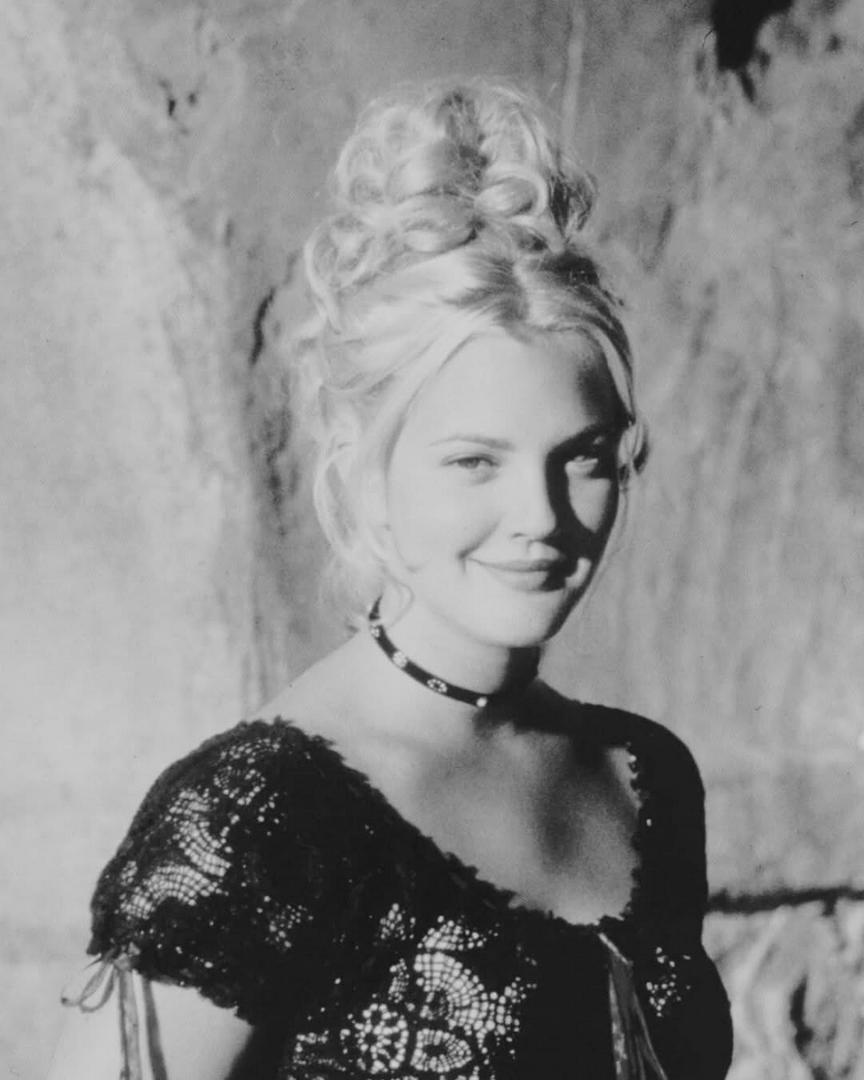
At 13, she was doing cocaine in nightclub bathrooms. At 14, she legally divorced her own mother. This is the story of Drew Barrymore. We all remember her as the wide-eyed little girl from E.T. the Extra-Terrestrial. America’s sweetheart at seven years old. But off-camera, her childhood was already over. Born into Hollywood royalty, Drew inherited a legacy of addiction and dysfunction. Her father vanished. Her mother, a struggling actress, saw Drew’s fame as her own second chance. She didn’t protect her daughter. She took her to Studio 54 at nine years old. By nine, Drew was drinking. By ten, smoking marijuana. By twelve, using cocaine. “I didn’t have parents,” Drew said. “I had enablers with checkbooks.” By thirteen, she was a full-blown addict. That’s when she was sent to a locked psychiatric institution for 18 months. Most would see that as a punishment. Drew calls it what it was: “It saved my life.” At fourteen, she made a stunning legal move: She emancipated herself from her mother. A fourteen-year-old, living alone in L.A., legally responsible for herself. Hollywood wrote her off. A former child star with a public addiction history? Studios wouldn't touch her. So she worked odd jobs. She auditioned endlessly. She refused to vanish. Her comeback started small. Then came ‘The Wedding Singer’ in 1998. America fell in love with her all over again—this time as a funny, warm, resilient adult. But Drew didn’t just want to act. She wanted control. At 20, she co-founded her own production company, Flower Films. By 2000, she was producing and starring in ‘Charlie’s Angels.’ She built an empire. She transformed from a Hollywood cautionary tale into one of its most powerful women. “I used to be the girl parents warned their kids about,” she says. “Now I’m the woman helping them talk about it.” She’s been brutally honest about her past—the addiction, the institution, the fight to survive. She doesn’t hide her story. She owns it. And that honesty is why pe
2 days ago

Karen Cheshire
She also lived with David Crosby and his family while she recovered from her addictions. Give credit where credit is due. By the way she is amazing!
2d
Klamath Falls, OR
Reply(1)
24

Katherine I
How many adults did she sleep with when she was a kid. Oh but that is okay because it's Hollywood. Just thi k if a guy views a picture/video on the internet for free of a minor taking a selfie of herself topless that guy goes to jail for 20 years then has to register as a sex offender. A sex offender for viewing a picture/video. But a teacher that has sex with a minor gets probation. We're living in the Twilight Zone.
2d
Reply(3)
18

Morris Callicoatte
Now she’s a far left liberal nut job
1d
Lake Jackson, TX
Reply(1)
19

Davis Brian
🤔Sounds like the 1980s to me god I miss the good old days !!
(when you’re Drug dealer wasn’t trying to kill you with fentanyl for a fng $1 dollar) !!
(WE had pure cocaine ) fish scale aka (Peruvian flake) and kilos of (opiated Black hashish) stamped from Pakistan !! And Great LSD following the Grateful DEAD shows around and Pink Floyd !!! Oh and we had ak47s and SKS rifles everywhere back then and Uncle Sam provided it all ….
Good Old Ronald Regan was potus and we were balls deep in Iran Contra scandals with kernel Oley north !!! HOLY SHIT IM OLD AS FLUCK 😳😳😎🇺🇸 !!
1d
Galloway, NJ
Reply(5)
16

Martin Healy
all things considered she turned out alright
1d
Reply
17

No Name
she made it big and she's intelligent bc she wasn't coddled or babied and actually got to live and think for herself without crying about being a victim.
1d
Lansing, MI
Reply
12

Darlene
a women before her time.
2d
Boston, MA
Reply
12

Bruce W Hansen
With the mother she had she showed everyone that she’s a very strong person Godspeed to you miss Barrymore
1d
Lindenhurst, NY
Reply
10

Frederick Neal
Got a Chance to Meet Drew Barrymore Years Ago when she was Chosen by the Hasty Pudding Club of Harvard!
I was the Property Manager of the Old Cambridge Baptist Church!
The Parade started just outside the Doors on Harvard Street!
She saw me Unlocking the door to head back inside, Jumped Out of the Car and Said She Needs a Bathroom Fast!😂
Of Course I let her use the Bathroom!
She Couldn't Thank me Enough.
Silly Story I know, But I'll always remember that day.
1d
Boston, MA
Reply(1)
9

Jason Bryant
I remember her People magazine story back in the early 90's. called "Little Girl Lost" I believe
1d
Akron, OH
Reply(2)
8
More comments ...
write a comment...