1/2


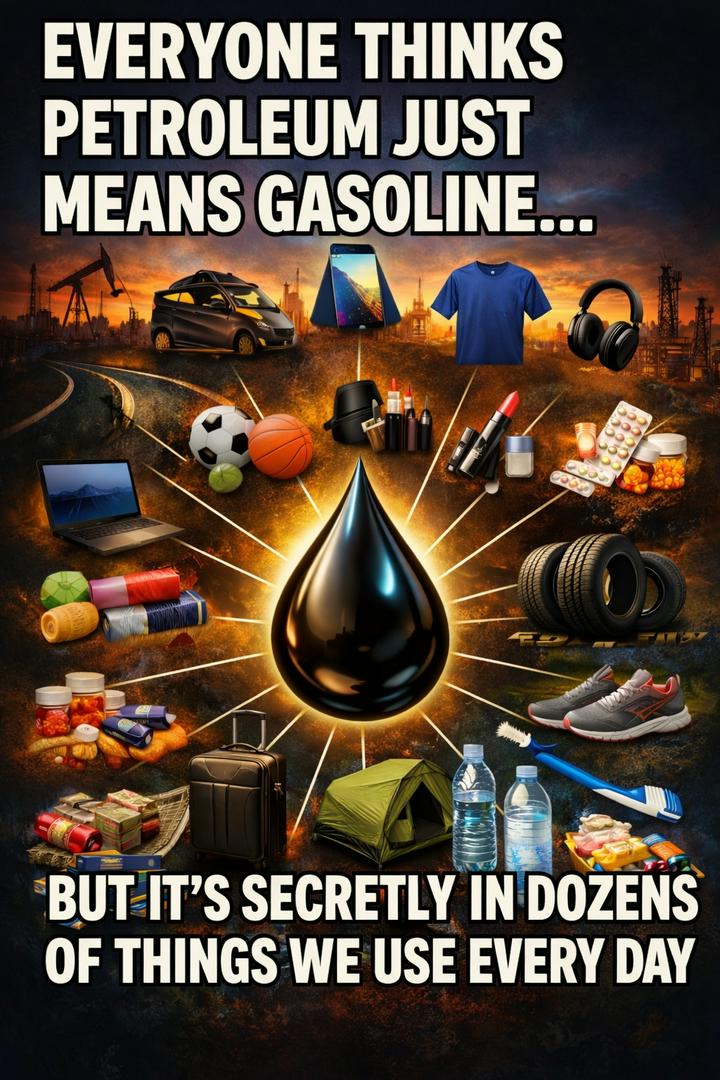
Breaking SIGNAL - Health Talk - What most people miss SIGNAL DETECTED Most people think petroleum only powers cars. But oil is also used to create plastics, fabrics, cosmetics, electronics, packaging, and more. This is part of the petrochemical system that shapes modern life. The real signal isn’t gasoline. It’s the hidden materials network most people never see. For decades, petroleum has been associated with one thing: gasoline. But researchers and industrial systems analysts have long known something different. Petroleum is not just fuel. It is the raw material behind thousands of everyday products. And most people never notice it. Petroleum-derived chemicals help create materials found in: • plastics and packaging • synthetic clothing fibers • electronics and smartphone components • cosmetics and personal care products • vehicle interiors and tires • food containers and bottles • some pharmaceutical coatings These materials come from petrochemicals, compounds refined from crude oil. Modern life is built on petrochemical infrastructure. It connects: energy → manufacturing → consumer products → daily life. Most people only see the fuel side of oil. But the larger system is the materials economy. Scientists are increasingly examining how long-term exposure to certain petrochemical compounds may affect: • environmental systems • microplastic accumulation • endocrine activity • long-term human health trends This field is still evolving, but the signal is clear: The materials we use every day have deeper origins than most people realize. Sometimes the most important discoveries are not about new technology. They are about seeing the hidden systems behind everyday life. Petroleum is not just gasoline. It is part of the invisible architecture of modern society. #SignalDetected #TheSignalWire #HiddenSystems #BreakthroughSignals #DidYouKnow #ScienceSignals #ModernInfrastructure #DecodeTheSignals #Healthyinsights
2026-03-13
write a comment...