1/1

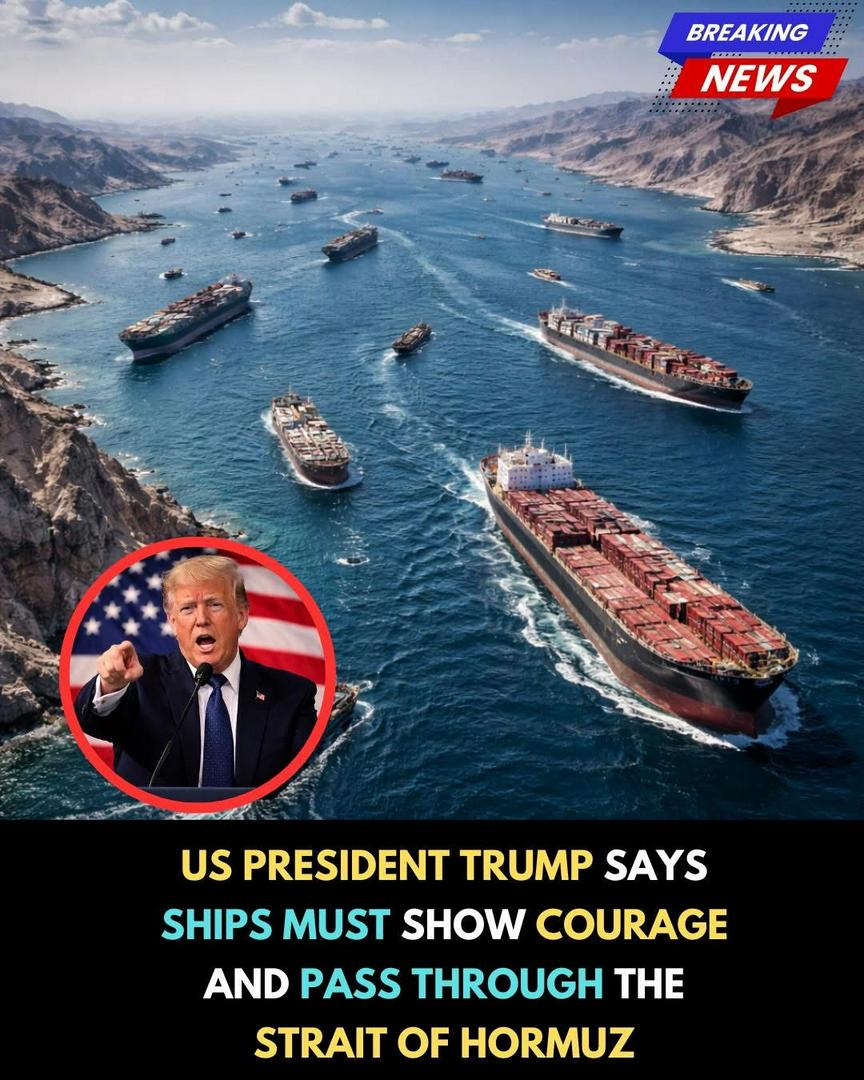
In a forceful message to the global shipping industry, Donald Trump has urged oil tankers and cargo vessels to continue operating through the Strait of Hormuz despite rising tensions with Iran. He framed the call as a necessary demonstration of resolve to prevent maritime intimidation and to keep global energy prices from surging. The Strait of Hormuz remains the world’s most important oil chokepoint, with roughly one-fifth of the world’s daily petroleum supply passing through the narrow waterway. By encouraging ships to maintain their routes, the White House is signaling confidence that U.S. naval escorts can help keep the corridor secure, even as insurance premiums for vessels operating in the region climb sharply. Shipping companies, however, remain cautious. Maritime unions and industry executives warn that determination alone cannot counter the risks posed by anti-ship missiles or drone strikes. In response to the growing uncertainty, several companies have already started diverting vessels around the Cape of Good Hope — a detour that can add weeks to voyages and significantly increase costs. At the same time, the Pentagon has reportedly expanded its military presence in the area under what has been described as Operation Sentinel Guard, a mission intended to visibly safeguard commercial traffic moving through the Gulf. Despite these precautions, Trump’s message emphasizes that keeping the world’s most vital shipping lanes open is not solely a military responsibility. In his view, it also requires the private sector to continue operating even in the face of elevated risk. With global energy markets watching closely, the key question now is whether shipping companies will heed Washington’s call or continue prioritizing the safety of their crews and cargo amid mounting geopolitical tensions.
2 days ago

KILLER
why didn't he show courage instead of dodging the draft.
2d
Jeanerette, LA
Reply(17)
36

Tarita Freeman
Trump you go do it
2d
Baton Rouge, LA
Reply(1)
17

Vettie Collier
tell him to go first 🤔
2d
Riverview, FL
Reply(1)
13
Vettie Collier
send Eric and baron trump
2d
Riverview, FL
Reply
12

Rick Grannell
send Lindsey graham
2d
Galt, CA
Reply
13

sampson
Donnie...u don't care who dies..why don't u climb on board a ship and show how this is done! Better wear ur helmet!😆
2d
White Rock, NM
Reply
10

Gdub
The reported mines being dropped in the water
2d
Chicago, IL
Reply
8

Steve Rogers
Lead the way Donnie
2d
California City, CA
Reply
8

Dan
Trump needs to bring Gilligan out of retirement to captain trumps yacht and then he should go there and lead the way escorted the ships personally they'll follow him he's trump the great
2d
Milwaukee, WI
Reply
7

Bill Archer
He said it was safe last week right before 3 shops were bombed.
1d
Saint Johns, FL
Reply
6
More comments ...
write a comment...