1/1
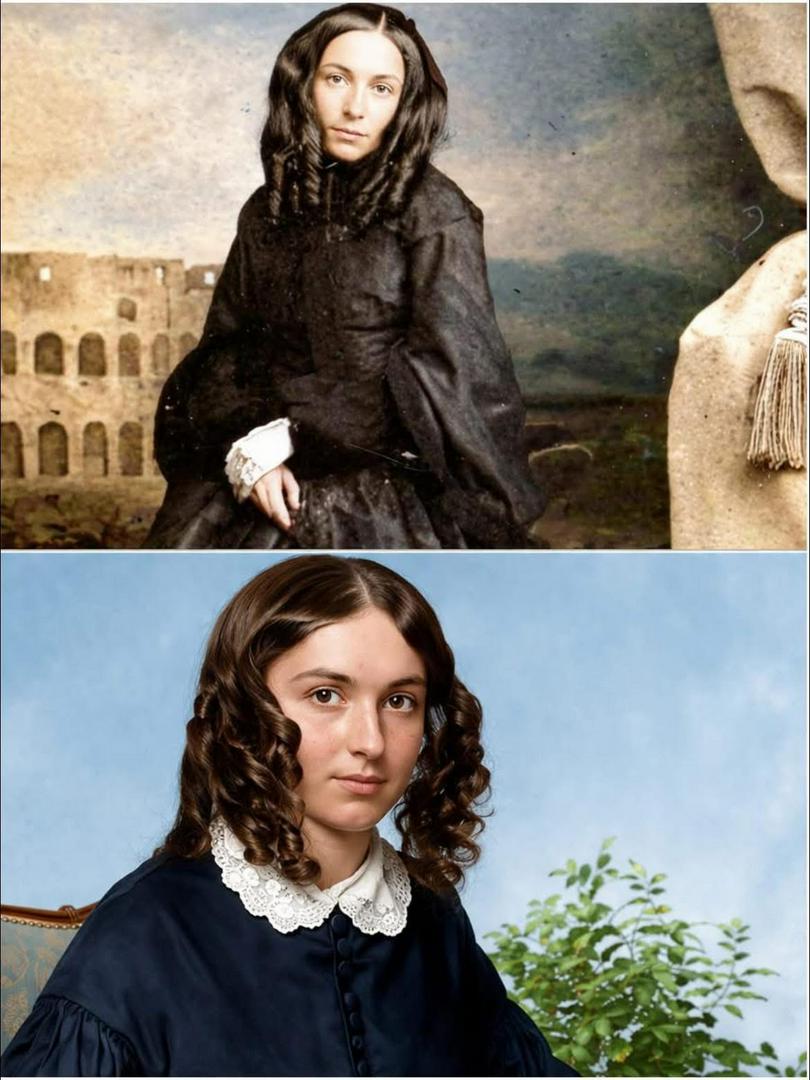
She was 40 years old, addicted to opium, and locked in her father’s house—until a poet's letter changed everything. She secretly married him, fled to Italy, and wrote How do I love thee? Her name was Elizabeth Barrett, and this is the love story—and revolution—that changed literature forever. Born in 1806 into wealth derived from Jamaican sugar plantations, Elizabeth was a prodigy from the start. She read Homer in Greek at age eight and began writing epic poetry as a child. At fourteen, her father privately published her first work—while most girls her age were learning to cook or sew. But her body betrayed her. A spinal injury, chronic lung disease, and agonizing pain left her bedridden. Victorian doctors prescribed laudanum—opium-based medicine—and Elizabeth became dependent on it. Despite this, her mind burned with creativity. By the 1840s, she was one of England’s most celebrated poets. Her 1844 collection Poems garnered immense praise. Critics compared her to Shakespeare, and when Wordsworth died, she was considered for Poet Laureate—yet society saw her as a tragic invalid. Then, in January 1845, she received a letter that would change her life. “I love your verses with all my heart, dear Miss Barrett…” It was from Robert Browning, a poet six years her junior, whose words moved her profoundly. They began an exchange of letters that lasted for months, their souls pouring onto paper. When they finally met in person in May 1845, something extraordinary happened: Robert saw past the illness, the opium, the woman society had written off as too sick and too old for love. And he wanted to marry her. But there was one massive obstacle: her father. Edward Barrett, a tyrant of Victorian propriety, forbade any of his twelve children from marrying. He vowed to disown any child who did. Elizabeth, 40 years old and living under her father’s thumb, was expected to accept this fate. But she refused. On September 12, 1846, she secretly married Robert Browning and fled t
2 days ago

Possible Impossible
I was addicted too smoking molly no one saved me I had too save myself 😆🙏
1d
Rochester, NY
Reply(1)

Diana Castillo
l really hate when they give stories not complete
1d
Orland Park, IL
Reply(1)
More comments ...
write a comment...