1/1
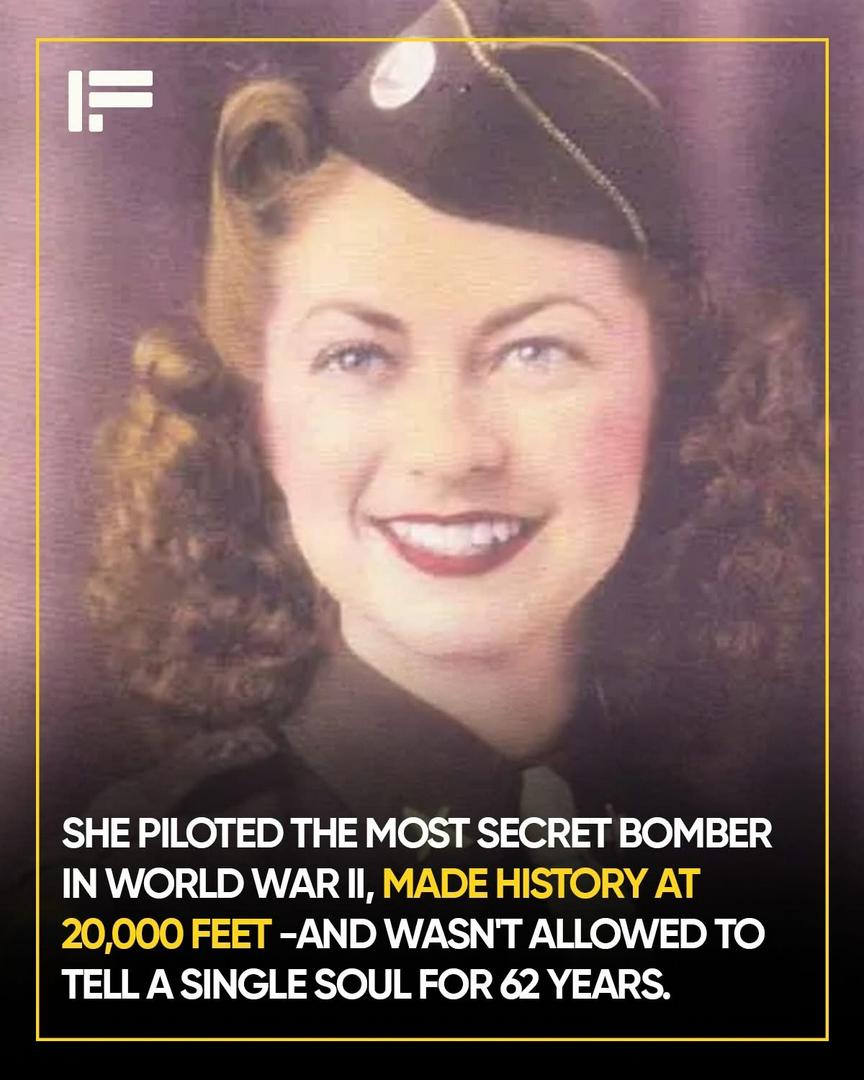
On May 4, 1944, twenty thousand feet above Kansas, a 25-year-old woman crawled through a narrow, pressurized tunnel directly over an open bomb bay and slid into the pilot’s seat of the most powerful bomber ever built. Her name was Mildred “Micky” Axton. She became the first woman in history to fly the B-29 Superfortress — the plane that would later drop atomic bombs to end World War II. And almost no one knew it happened. The B-29 was not just an aircraft. It was the most classified piece of military technology in existence. A 141-foot, 30-ton giant so advanced that factory workers were forbidden to discuss what they were building. To even be aboard required top-level security clearance. Micky wasn’t supposed to be there. She had joined the Women Airforce Service Pilots — the WASPs — in 1943. These women ferried bombers across the country, towed live-fire targets for combat training, and tested aircraft fresh from the factory that male pilots sometimes refused to touch. It wasn’t combat. But it wasn’t safe. Micky trained for six brutal months, graduated, and was assigned as a test pilot. She signed off on B-25s, B-26s, and eventually B-29s before they were cleared for war. When one male pilot told her he’d rather die in combat with glory than in Texas testing a broken plane, she understood exactly what he meant. She flew the broken planes anyway. Six weeks after transitioning to Boeing in Wichita as a flight test engineer, she was on board “Sweet Sixteen” — the 16th B-29 ever manufactured — monitoring engines during a routine test flight. Then the chief engineer’s voice came over the intercom. “Micky — how’d you like to come fly this thing?” She had seconds to decide. She strapped on her parachute and crawled through the dark tunnel over the open bomb bay. She emerged breathing hard, slid into the left seat — the pilot’s seat — and took the controls. For the next twenty minutes, Micky Axton flew the B-29 Superfortress. Banking. Adjusting throttle.
2026-03-29

Leejack
Show this to our rapist and draft Dodger sucker Trump and Baron. You stand for nothing!!!!🤔🤔🤔🤔🤔👍
03-30
Whitehall, MI
Reply(7)
19

John Ramer
!!! And that lady's and gentlemen is a perfect example of a real American woman at the wheel!!! God bless America and her woman's too!!!!!!🥰👍🙏
03-31
New York, NY
Reply
17

Patty Cravatta
Heroes! American Unsung Heroes! American Bullies like Trump, Vance and Johnson! Stop and think America!🤔😲
04-01
Dubuque, IA
Reply(6)
13

Mark Myles
Amazing women at an a truly trying time in the United States history. Women took a lot of jobs that men normally had because we were sending all of our eligible men over seas. It was total war and everything was at the risk. People did things that even now you wouldn't consider doing, men or women. The greatest generation without any doubt.
04-04
Abbeville, SC
Reply(1)
14
Karen Garnett
She should get more recognition!
03-31
Reply
14
Virgina Hall
Thanks for sharing this, she’s one of my idols and inspiration as is Virginia Hall. The women that sacrificed and did who wrote things during World War II are not given the recognition as the men so again thank you for sharing this and have a wonderful Easter
04-04
Reply(1)
10

Timothy Kennedy
Awesome And Very Brave Lady 🙏🏼
03-31
Buckner, MO
Reply(1)
10

Gwendolyn
white boys JUST DON'T MEASURE UP!!!
03-30
Natchez, MS
Reply(3)
7

BC
Smart woman and she deserves the credit for it
04-04
Morrisville, NC
Reply
7

Karen Cenkner
Do we make them like her anymore? I fear not!
04-02
Farmington Hills, MI
Reply
7
More comments ...
write a comment...