1/1

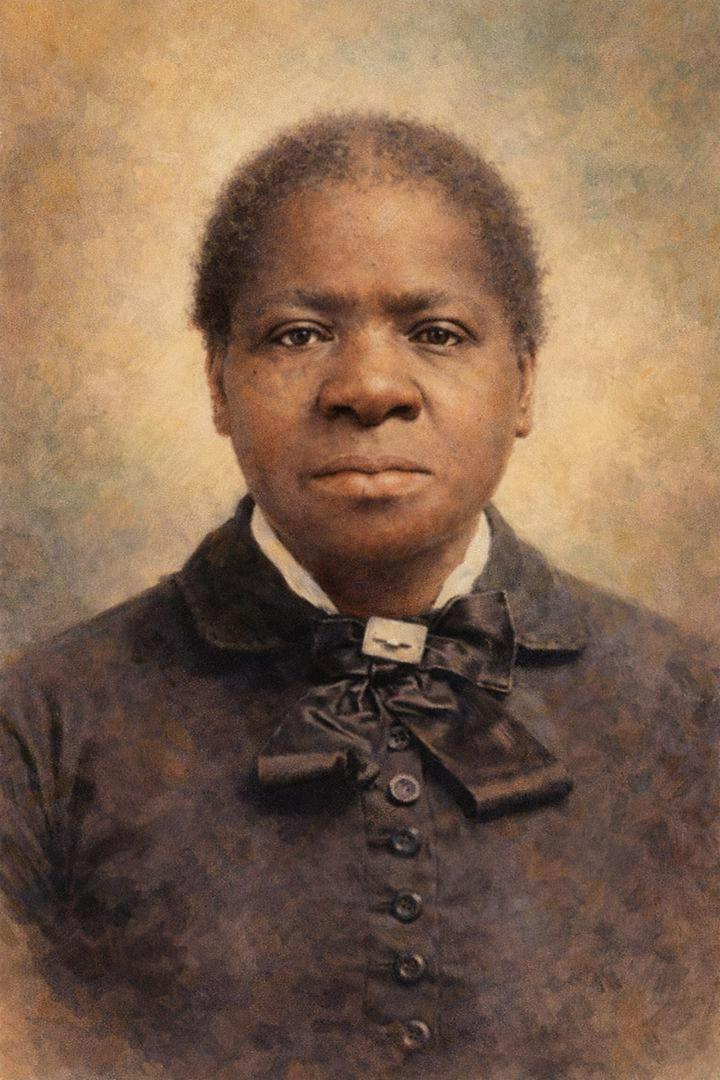
On January 19, 1856, a Los Angeles courtroom quietly delivered a ruling that would ripple far bevond its walls. Bridqet "Biddy" Mason, an enslaved woman who had been brought west against her will, was declared free after successfully suing for her liberty. The decision rested on a clear egal truth... California entered the Union in 1850 as a free state, and slaverv had no lawful standing within its borders. What made this moment extraordinary was not only the ruling itself, but the fact that the law was actuallv enforced for someone it was often designed to exclude Mason had been born enslaved in Georqia and forced into a grueling iourney to California by Robert Smith, a slaveholder who ianored the state's free status. When Smith attempted to move Mason and others back to Texas to maintain control over them members of Los Angeles' small free Black community intervened. Authorities were alerted. The case was brought before the court. On January 19, the iudge ruled that Mason and the others had been illegally held and were therefore free. There were no technicalities, no compromises, just a firm acknowledgment of the law as written Freedom, however, was not the conclusion of Mason's story. It was the beginning of her legacy. Remaining in Los Angeles, she worked as a nurse and midwife, saving her earnings and investing in land at a time when both opportunity and protection were scarce. Over the years, she became one of the city's earliest Black women landowners and a successful real estate entrepreneur. Her wealth was never hoarded. Mason helped establish the First African Methodist Episcopal Church of Los Angeles and used her resources to support education housing, and aid for those in need Biddy Mason's life stands as a reminder that ustice does not always arrive with spectacle. Sometimes it arrives quietly, on a January afternoon, carried forward by courage, community, and the refusal to accept what was never lawful to begin with #BiddyMason #January1 9
Los Angeles, California • 28 days ago

William Gagliardi
So stop believing that black people had no rights at that time or that they have no rights now.
27d
Pocono Pines, PA
Reply(15)
20

Powlin Manuel
Beautiful story!
25d
Abbeville, LA
Reply(2)
26
John Smithberg
slavery,by Dems was the of worst atrocities ever brought to our lives and will never be forgiven or forgotten
26d
Omaha, NE
Reply(17)
12
Kbd
I love these stories of courage and freedom. Rest well Biddy 💕
27d
New Haven, MO
Reply(1)
21

Kim Howard
God bless Bridget Mason!
27d
Piper City, IL
Reply
19
Mike Schieb
This is an unusual case and one California should be very proud of. They also should show the same reverence for the law today.
I wonder why people build statues to drug addict criminals like George Floyd instead of people like her. She is absolutely worth the adoration. 🙏🇺🇸💪💙👍
24d
Chicopee, MA
Reply(3)
9
Gldynldy
Is that a man?
27d
Plymouth Meeting, PA
Reply(7)
5

CherylAnn McClure
Maybe the world needs to read this. She would have ruled the world today. Strong women.
27d
Tulsa, OK
Reply
8

Dragon
The demo started the slaves the republicans were formed to stop the slavary. If you don’t believe this look it up. They are the still the same pigs today… out to destroy America and cheap labor with the illigals.
25d
Mechanicsburg, PA
Reply(2)
6

Lillian Lee
That’s what I’m talking about. I used to sit by my grandmother knees on the floor, listening to her stories about the slavery because she came up in the end and the things that she went through and she ended up married a Richmond and he got tired and packed and ran out of the south, but it just got to show you. We’re all equal. It doesn’t matter why does one have to slave another one? It’s equal equality empathy sympathy carry Sherry what happened to all of this? We’re all one person just because of the color of my skin it doesn’t make a difference. It was in your heart and you’re mine and Christ in Jesus and God all of them and you that’s what counts this needs to stop. Remember, we are all brothers and sisters and we need to become one as share and care or all the same thank you father thank you father amen. Hallelujah hallelujah
24d
Detroit, MI
Reply(1)
5
More comments ...
write a comment...