1/1

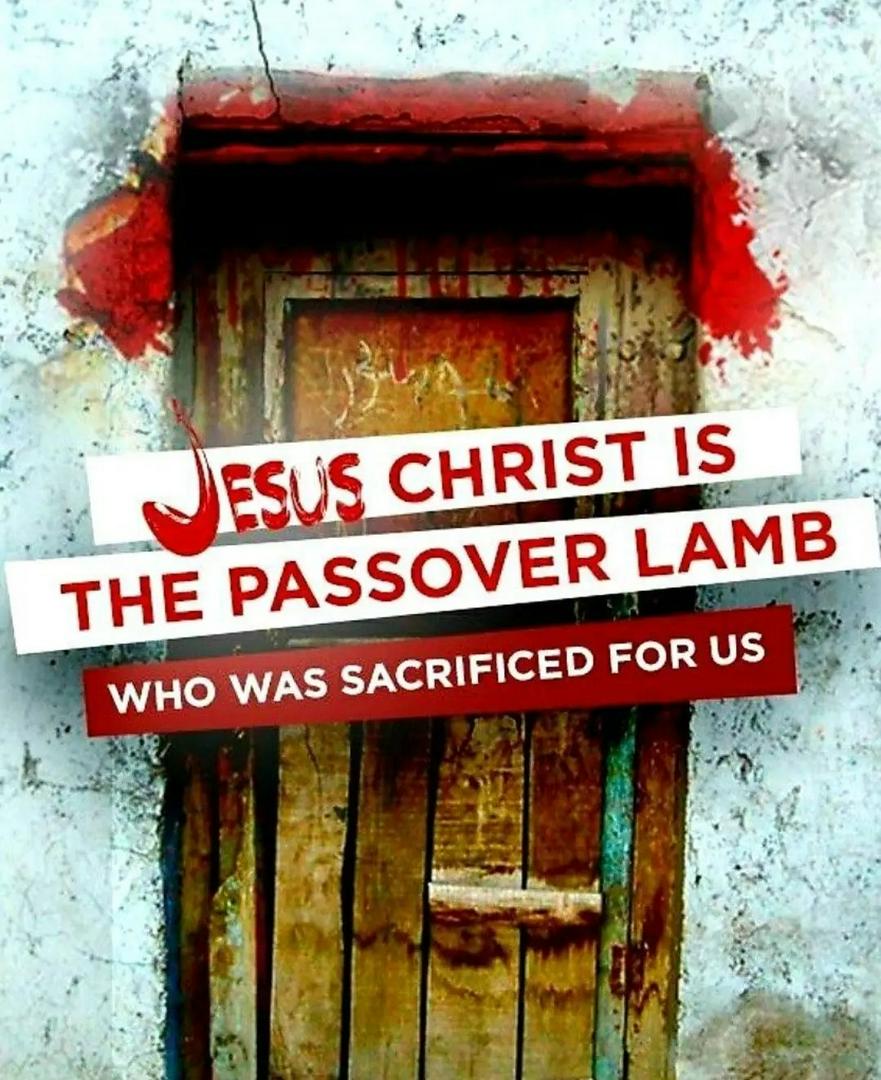
Christ serves as our Passover lamb. Passover commemorates the moment when God spared the Israelites from the plagues that struck Egypt, as outlined in Exodus 12:13-27. God instructed the Israelites to mark their doorways with the blood of a lamb or goat, ensuring that He would "pass over" their homes and protect their firstborns. During the Passover meal, they ate unleavened bread and bitter herbs, as mentioned in Exodus 12:8. After Passover, the Israelites celebrated the Festival of Unleavened Bread for seven days, avoiding leavened bread, as noted in 2 Chronicles 30:21. In the New Testament, Christians see Jesus as the ultimate fulfillment of the Passover lamb prophecy, with John the Baptist calling Him the "Lamb of God who takes away the sin of the world." At the Last Supper, which was a Passover meal, Jesus redefined its meaning by linking the bread and wine to His body and blood, establishing the New Covenant. This act signifies that, just as the lamb's blood protected the Israelites, Jesus' sacrifice provides salvation from spiritual death. As Good Friday approaches, take a moment to reflect on the significance of this day and the entire week. Consider how you can incorporate Jesus' journey during Holy Week into your daily life. Remember that He sacrificed His life so that you could live more abundantly. By fulfilling His divine mission out of love for us, He secured our redemption. In light of this, how will you choose to live for the Lord? Will you draw closer to Him or continue to turn away? Let us all strive to respond to God with love and unwavering obedience.
2026-04-03

Taronda Barnes
Thank you Lord for the gift of Salvation! 💕
04-03
Corpus Christi, TX
Reply(1)
3

Reginald Spinks
Amen, Thank you Jesus for your precious blood🙏
04-03
Reply
3

Reggie Harris
YAHWEH THE LORD BLOOD OF JESUS CHRIST THE HOLY SPIRIT.
04-03
Las Vegas, NV
Reply
3

Carmine Courtney
AMEN 🙏 🙏 🙏
04-03
Wilmington, DE
Reply
3

hydrant man
I was on the same page as you were until you got to the paragraph starting with the words “In the New Testament…” where I beg to differ with you, your so-called Messiah is not the savior of any of my people.
04-03
Orinda, CA
Reply
2

Kaiya Landry
respect the Lord
04-04
Gulfport, MS
Reply(1)
1
Kaiya Landry
please press the heart. oh I'm 8
04-04
Gulfport, MS
Reply
1
Kaiya Landry
halulila
04-04
Gulfport, MS
Reply(1)
Kaiya Landry
I love me and god
04-04
Gulfport, MS
Reply
More comments ...
write a comment...