1/1

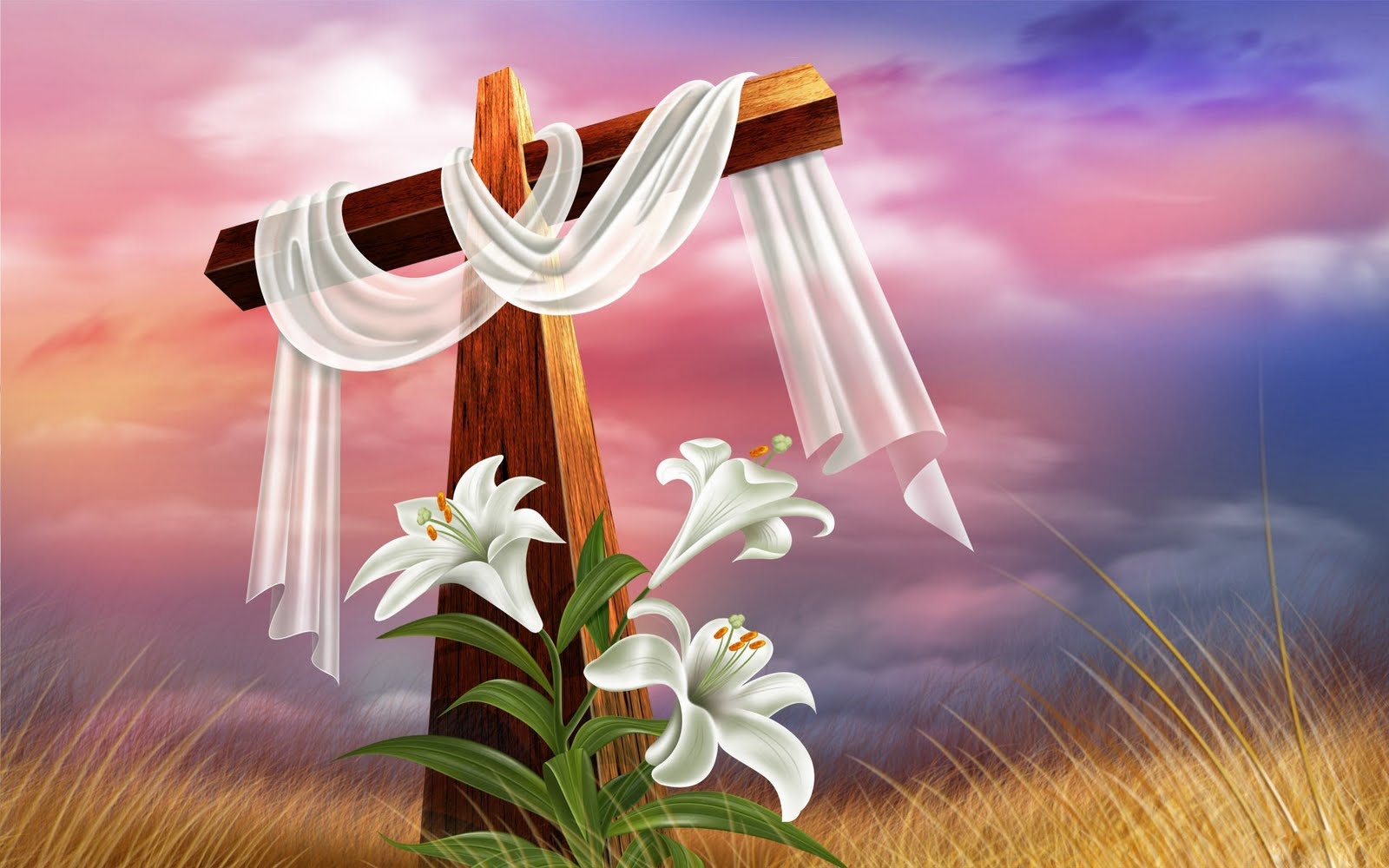
To Christians, the events of Holy Week are the "hinge" of history. It isn’t just a story of a tragic death followed by a miracle; it is the fulfillment of a divine rescue mission. Here is how the Bible explains the significance of Jesus, Good Friday, and Easter. 1. Jesus: The Word Made Flesh Before understanding the "Days," one must understand the Person. Christians believe Jesus is not just a teacher, but God incarnate, sent to bridge the gap between humanity and the Divine. The Purpose: John 1:14 states, "The Word became flesh and made his dwelling among us." Jesus came to reveal God’s character and to serve as the ultimate mediator. The Mission: In Luke 19:10, Jesus defines his own goal: "For the Son of Man came to seek and to save the lost." 2. Good Friday: The Sacrifice The "Good" in Good Friday seems paradoxical because it marks a brutal execution. However, Christians call it "good" because of the Atonement—the belief that Jesus took the punishment for human sin upon himself. Substitution: Isaiah 53:5, written centuries before Jesus, is seen as a prophecy of the crucifixion: "But he was pierced for our transgressions, he was crushed for our iniquities; the punishment that brought us peace was on him, and by his wounds we are healed." The Finished Work: As Jesus died, he cried out, "It is finished" (John 19:30). This signifies that the debt for sin was paid in full; no further animal sacrifices or rituals were needed to reconcile with God. 3. Easter: The Victory over Death If Friday was about payment, Easter Sunday is about proof and power. The resurrection is the cornerstone of the Christian faith; without it, the religion effectively collapses. The Essentiality of the Resurrection: 1 Corinthians 15:17 pulls no punches: "And if Christ has not been raised, your faith is futile; you are still in your sins." Victory over the Grave: Easter represents the defeat of death itself. 1 Peter 1:3 explains that God "has given us new birth..." and hope!
2026-04-03

Rhonda Way
Yes, beautiful 👍💕
04-03
Reply
3

Out of The Ashes M.A.D.H.
PRAISE JESUS! AMEN
04-03
Morehead City, NC
Reply(1)
2

Janice Michael
It was an apocalyptic final sacrifice, no more animals in similitude! The final sacrifice was given with Jesus the Christ, Gods firstborn son! Be kind and lovingly let Jesus guide and direct your life!
04-05
Gas City, IN
Reply(1)
1

Anthony Givens
Everyday I wake up is holy. Tho I walk through the valley of shadows of darkness, death i know my LORD IS WITH ME. AMEN 🙏
04-04
Chickasha, OK
Reply(1)
1

Carolyn Williams
Thank you God 🙏
04-06
Eastman, GA
Reply
1
More comments ...
write a comment...