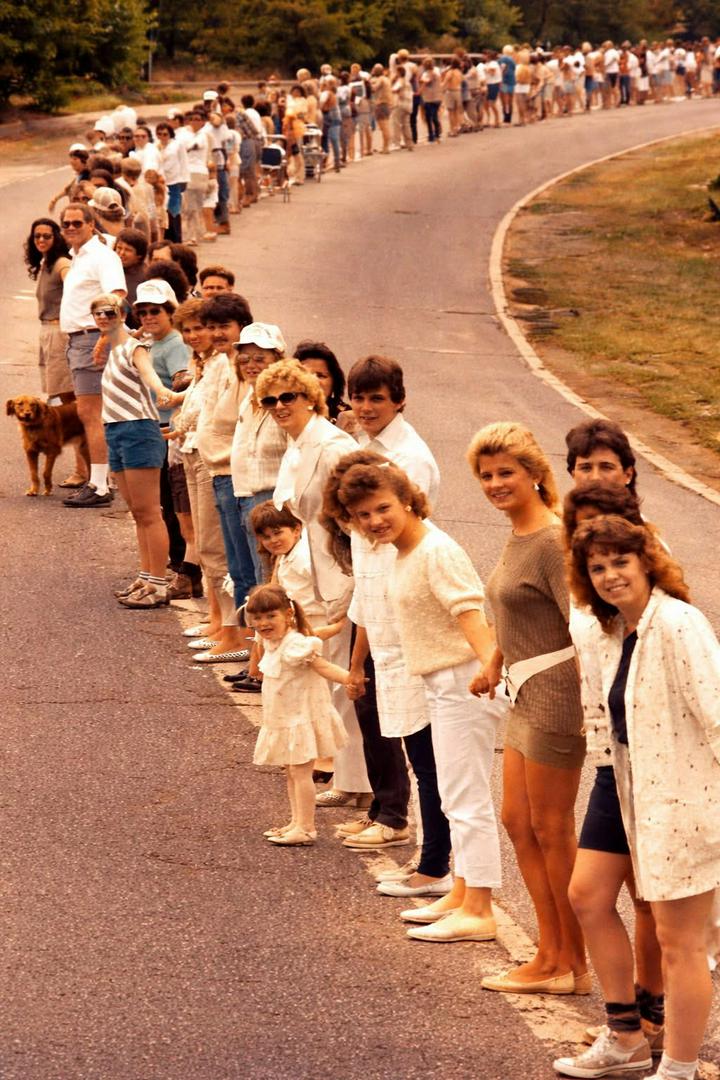
1/1
Nobody thought it was possible. But on May 25, 1986, something happened in America that has never happened anywhere in the world before or since. At exactly 3:00 in the afternoon, five million people stepped outside — out of their homes, their routines, and their differences — and reached for the hand of a stranger. From the southern tip of Manhattan, where a six-year-old homeless girl named Amy Sherwood started the chain, all the way to the sun-drenched shores of Long Beach, California — an unimaginable line of human beings stretched 4,125 miles across the continent. Through 16 states. Across the Mississippi River. Through the shadow of the Gateway Arch. Past the Lincoln Memorial. Right through the gates of the White House, where even the President and First Lady stepped outside to join hands. This was Hands Across America. It was imperfect. In the desert Southwest, the line had gaps — filled in by ribbons and ropes and sheer stubbornness. It raised $15 million for food banks and shelters, far less than the $100 million organizers had dreamed of. By every spreadsheet measure, it fell short. But no spreadsheet could measure what really happened that day. A farmer in Kansas stood next to a teacher from Chicago. Divers held hands underwater in Maryland. A child who had never met a celebrity found herself beside Lionel Richie. An elderly woman who had lived through the Great Depression stood tall in the sunshine and said, without words, I still believe in this country. For fifteen minutes, ordinary people — not governments, not corporations, not algorithms — physically held this nation together. The chain may have had gaps. But the feeling didn't. Nearly four decades later, in a world that sometimes feels like it is coming apart at the seams, that Sunday afternoon in May still whispers something important: We have done this before. We reached out. We held on. And the hand we grabbed? It was warm. It was real. It was human. We can do it again.
2026-04-08

Gayle Miller
How wonderful that would be to have that happen again 🥰
04-08
Kenai, AK
Reply
82

246skippy789
Isn’t that what the iran people on Tuesday night your hands next to someone else, and they made a long chain around their infrastructure, power plants, water filtration systems, their bridges. Also that if Donald Trump went to drop bombs, he was committing genocide for all those people, children families Trump might have the button, but he’s not God and he is not allowed to make that decision on his own. He’s a crackpot lunatic, he might take her children into a draft into a war and cause death in destruction. hopefully, he will be taken out of office soon. Injustice will prevail you sit in a jail Cell or into a hospital room for the rest of his life. but he won’t be a danger to humanity anymore.
04-09
Boise, ID
Reply(16)
20

Patty Cravatta
Beautiful! Let’s do the chain again to bring America together! 🙏🏼🙏🏼🙏🏼🙏🏼🙏🏼🙏🏼🙏🏼🙏🏼🙏🏼🙏🏼🙏🏼🙏🏼
04-10
Dubuque, IA
Reply(2)
57

Eileen Rex
Won’t happen in Trumps world. Very sad times we are living in now.
04-08
Las Vegas, NV
Reply(8)
15
Guest Who
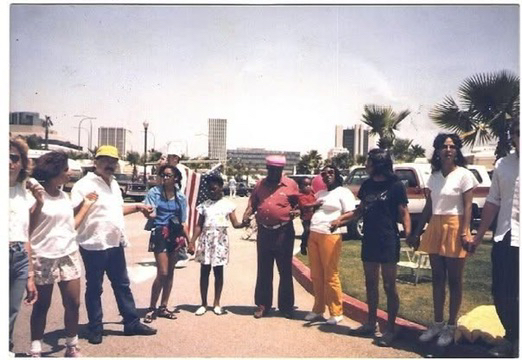
We were there at the Shoreline in Long Beach California May 1986. We were joined the West Coast chain. A beautiful day in California USA
04-09
Pierre Part, LA
Reply(1)
25
The Ram
I remember this!!!
04-08
Las Cruces, NM
Reply
11

Willie Stroker
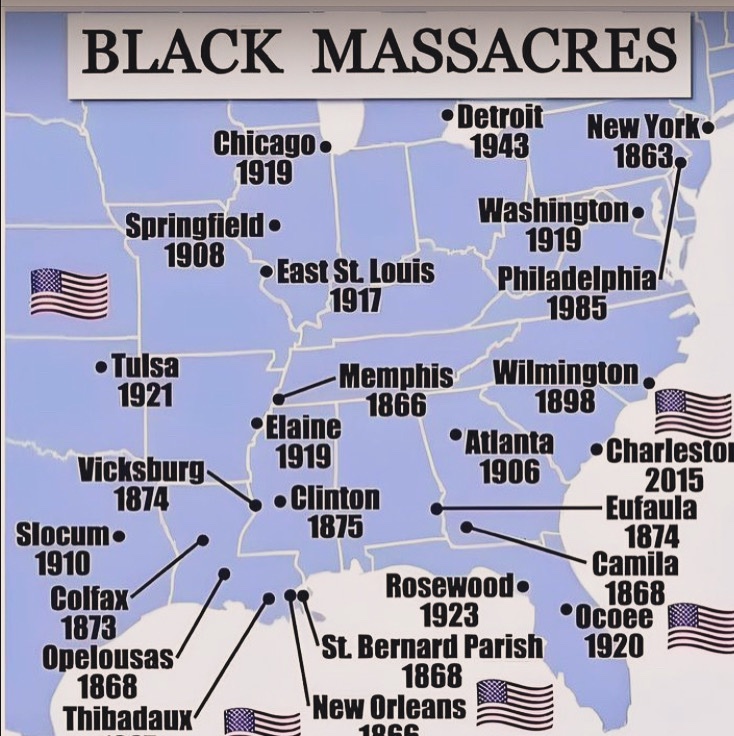
Ummmmm, did somebody forget to tell people of color?
04-08
Charleston, SC
Reply(10)
4

Toodles
Hands Across 🇺🇸
My son and I with friends were at the Washington monument in Baltimore MD🇺🇸🇺🇸
04-08
Baltimore, Maryland
Reply(2)
7

Doug Clough
And it could probably never happen again, the country is too politically divided, what a shame.
04-08
Amery, WI
Reply
7
Truth Seeker
I was a part of this in Hollywood, CA!
04-08
Las Vegas, NV
Reply(2)
5
More comments ...
write a comment...