1/1

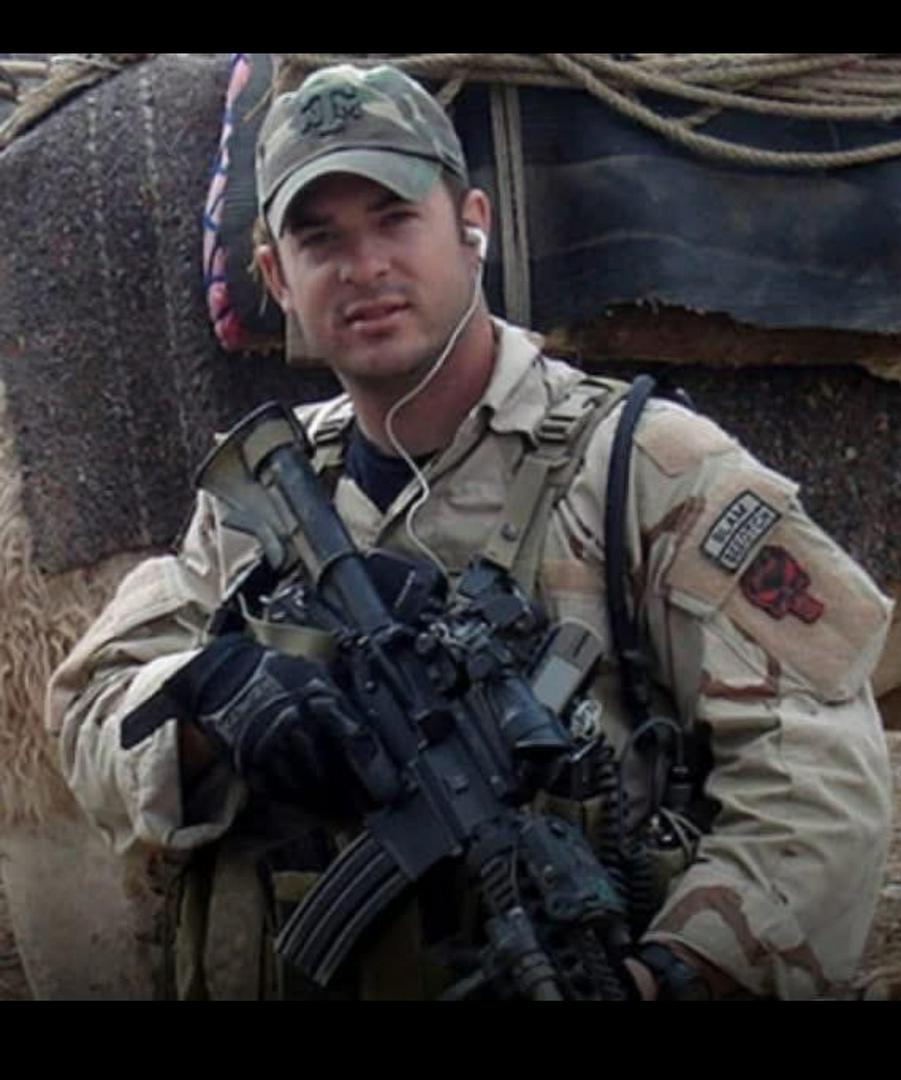
It was April 6, 2008 in Shock Valley, Afghanistan. Matthew Williams was 33 years old on a mountain when everything went wrong. His Special Forces team and their Afghan partners walked into an ambush that would become one of the most intense battles of the war. Enemy fighters held the high ground. Fire rained down from three sides. Within minutes, half the team was wounded. There was no cover, no easy way out. As a weapons sergeant, his job was to lay down suppressive fire. But when teammates fell, his job became something else entirely. He moved through open ground again and again dragging wounded soldiers to cover while bullets tore through the air around him. He was hit. Then hit again. Each time, he got back up. Not because he was invincible, but because men were bleeding out and someone had to reach them. He fired his weapon with one arm while pulling casualties with the other. When his rifle was shot out of his hands, he picked up another and kept fighting. Williams absorbed 11 gunshot wounds that day. He survived during the battle, which lasted six hours. The physical wounds eventually healed, though some in memory never fully closed. In October 2019, President Trump placed the Medal of Honor around his neck. By then, Williams had already spent more than a decade living with what he gave. The recognition didn't erase the cost. It just finally acknowledged it. Story based on verified Medal of Honor citations and historical records. #TheIraqWar #MedalofHonor
14 days ago

Pam
Another real American hero! Thank you sir for your service! I hate what all you went through! But you are my new hero....thank you!
14d
New York City, NY
Reply
3

Tina Dailey
God bless you sir,may God continue to bless you and keep you and your wonderful family safe, healthy and happy 🌸thank you so very much for your service 🙏
14d
Mount Vernon, KY
Reply
2

Sara Brackett
AMEN! AMEN! Bless You, Brave Strong Selfless Warrior! BLESS YOU- you are in my prayers ! So many nameless brave warriors- we are eternally grateful for Your
Brave Service!🙏⭐️💗👍💪🙏💗
13d
Charlotte, NC
Reply
1

Robert Young
That's for you're service soldier. 👍
13d
Dodge City, KS
Reply
2

Michelle Norwood
God bless you
11d
Houston, TX
Reply

Brandon Lopez
n I as
13d
Lancaster, PA
Reply
Brandon Lopez
7q
13d
Lancaster, PA
Reply
1
More comments ...
write a comment...