1/1

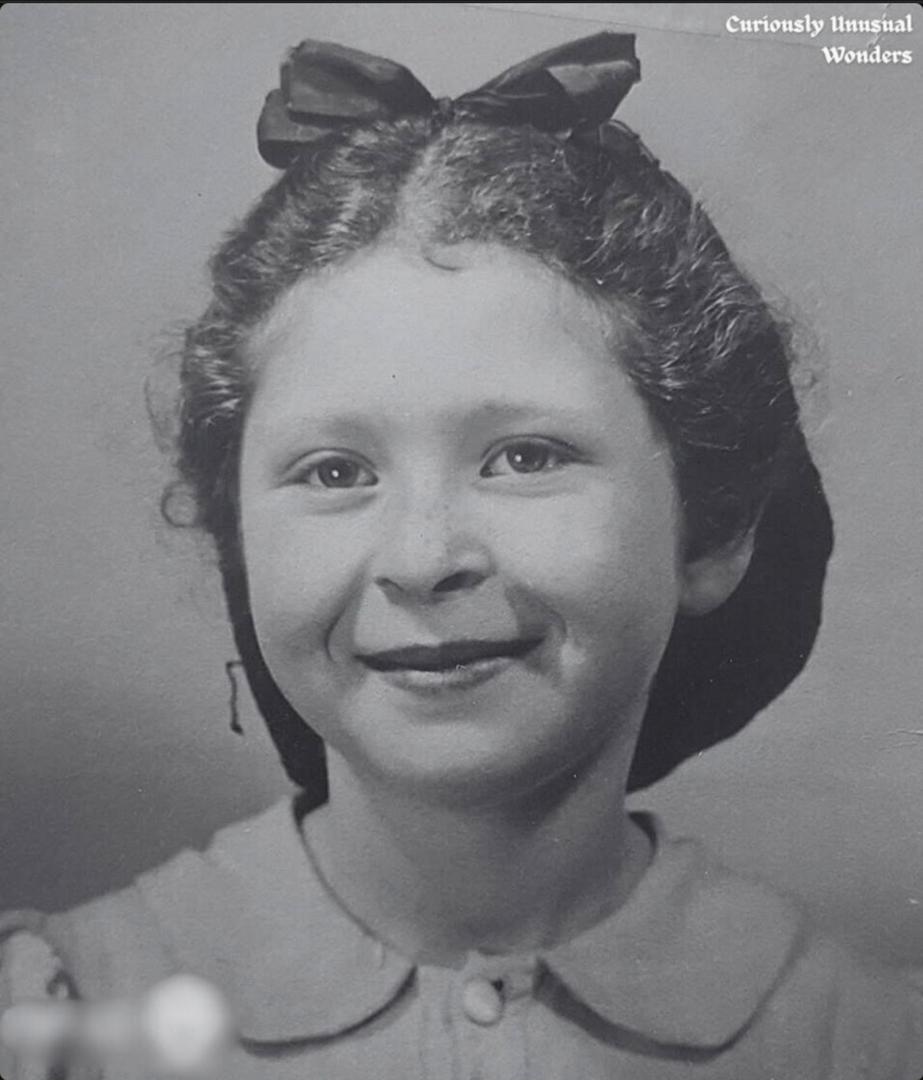
A starving ten-vear-old in a death camp gave away her last piece of chocolate Half a century later, the baby she saved gave it back Paris, 1933. A baby girl named Francine was born into a Jewish family that had no idea how quickly their world woulo unravel By 1940, everything collapsed. Her father, Robert, was captured and sent to a prisoner-of-war camp in Austria. But even behind barbed wire, he found a way to warn his family. A message reached them in code, simple and urgent: Run. Now. While vou still can Francine's mother, Marcelle, tried. In July 1942, she took her nine-vear-old dauahter by the hand and fled toward the border. They were caught Because Robert was a French POW mother and child were granted a thin cruel mercy They were labeled 'hostages," temporarily spared deportation. On May 4, 1944, that protection endedFrancine and her mother were forced onto a train bound for Bergen-Belsen. Each was allowed one small bag. Among Marcelle's carefully chosen belongings were two precious squares of chocolate --tiny reserves meant to keep them alive when everything else failed Bergen-Belsen was death stretched over time. Hunger. Disease. Hopelessness. Bodies piled like discarded wood One day Francine witnessed something that piercec even that horror. A pregnant woman. alone. in labor. too weak to survive what was coming Francine was ten vears old. She was starving. She looked at her piece of chocolate--perhaps the only thinc standing between her and death--and made a decision no child should ever face She gave it away Somehow, impossibly, it was enough The woman found the strength to give birth to a baby girl. Both lived Weeks later. the camp was liberatedFrancine and her mother survived. And against all odds, they found Robert aaain Their familv--damaaed scarred
2026-04-28

Bryan Martinez
beautiful ending
29d
Escondido, CA
Reply
8

Brandon Lopez
💕

04-29
Lancaster, PA
Reply(1)
10

Salina Sumire
A 10 yr old….so sweet….a child herself…..
28d
Vista, CA
Reply
2

Emma Hzhzhd
Wow 😲
30d
Toledo, OH
Reply
2

Nowah Watson
Hey own. Figpu
30d
New York, NY
Reply
1

Meech O
🥰🥰🥰🥰🥰🥰
29d
Knoxville, TN
Reply
1

Jan Ferra
🥰🥰🥰
28d
Walled Lake, MI
Reply
1
Brandon Lopez
twa🤔🤔🤔
04-29
Lancaster, PA
Reply
1
More comments ...
write a comment...