1/1

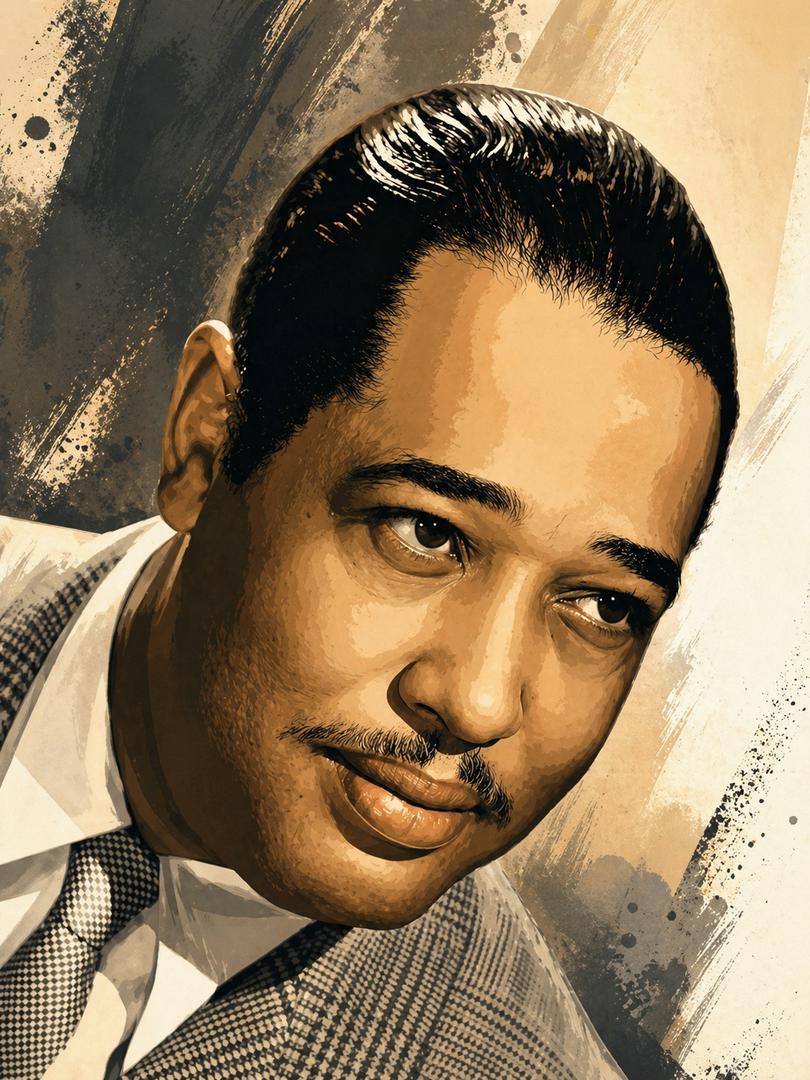
On April 29, 1899, Edward Kennedy “Duke” Ellington was born in Washington, D.C. He would become one of the most important composers, pianists, and bandleaders in American music history. Long before the world knew him as Duke, he was a child growing up in a middle-class home where music and dignity mattered. Both of his parents played piano, and he began taking piano lessons as a boy. His nickname came early. Friends called him “Duke” because of the polished, graceful way he carried himself. The name fit. Ellington would later bring that same elegance to stages around the world. By his teenage years, Ellington was already performing professionally in Washington. In the 1920s, he moved into the national spotlight after settling in New York. In 1927, he began an extended residency as a bandleader at Harlem’s Cotton Club, where radio broadcasts helped bring his orchestra national attention. Ellington composed more than 1,000 pieces across his lifetime. His catalog included jazz standards, extended suites, sacred concerts, film music, and orchestral works. Songs connected to his legacy include “Mood Indigo,” “Sophisticated Lady,” “It Don’t Mean a Thing,” and “Black, Brown and Beige,” a major work that explored African American history and identity through music. What made Ellington different was not only his talent, but his vision. He wrote music around the distinct sounds of the musicians in his orchestra, treating each player’s voice like part of a larger painting. His band became one of the most respected ensembles in jazz. Duke Ellington died in New York City on May 24, 1974. But his influence never left the room. His music helped prove that jazz was not just nightlife or background sound. It was composition, culture, memory, elegance, and genius. His birthday is more than a music note on the calendar. It marks the arrival of a man who helped turn Black musical expression into one of America’s greatest art forms. #BlackHistory #DukeEllington #JazzHistory
Washington, District Of Columbia • 2026-04-29

Jan Ferra
He was amazing!
05-01
Walled Lake, MI
Reply
1
More comments ...
write a comment...