1/1

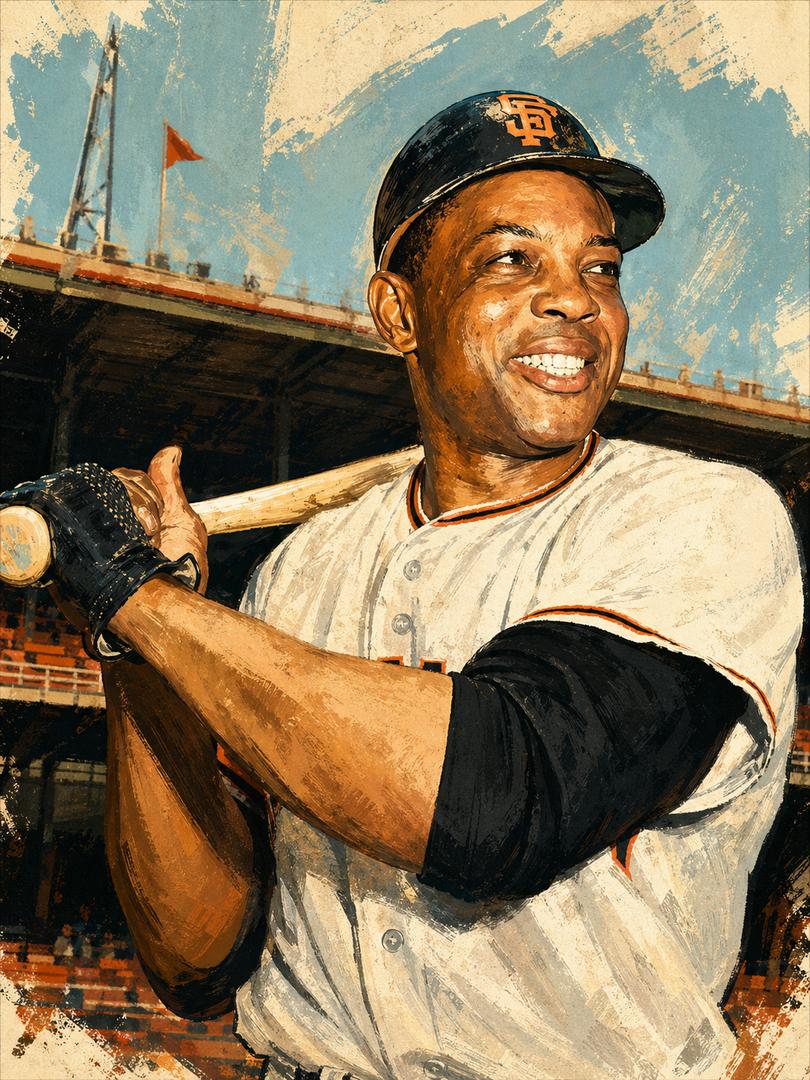
On May 4, 1966, Willie Mays added another historic line to one of baseball’s greatest careers. At Candlestick Park in San Francisco, Mays hit the 512th home run of his career against the Los Angeles Dodgers, breaking Mel Ott’s long-standing National League home run record. Ott, another Giants legend, had held the mark with 511 career home runs. Mays did not just tie history. He moved past it. The home run came in the fifth inning off Dodgers pitcher Claude Osteen during a 6-1 Giants victory. It was a fitting moment in franchise history. Ott had built his Hall of Fame career with the New York Giants, and Mays began his own career with that same franchise before it moved west to San Francisco. By 1966, Mays had already shown he could do almost everything on a baseball field. He could hit for power, run with speed, defend center field with brilliance, and change a game with one swing or one catch. His famous over-the-shoulder catch in the 1954 World Series had already become one of the sport’s most iconic images. But this moment showed something different. It showed endurance. It showed consistency. It showed how long Mays had remained dangerous at the plate. Records like this are not built in one season. They come from years of production, pressure, and excellence. Mays would go on to finish his career with 660 home runs, placing him among the greatest power hitters in Major League Baseball history. But on May 4, 1966, the focus was clear. He had passed Mel Ott and became the National League’s all-time home run leader. Willie Mays was not just remembered because he was exciting to watch. He was remembered because the record book had to make room for him. And when history placed a number beside his name, he kept swinging. #WillieMays #BaseballHistory #SportsHistory #SanFranciscoGiants #BlackHistory
San Francisco, California • 29 days ago

Drumpfts buster
rest in peace🕊,willie mays,one of the greats
28d
Howell Township, NJ
Reply
More comments ...
write a comment...